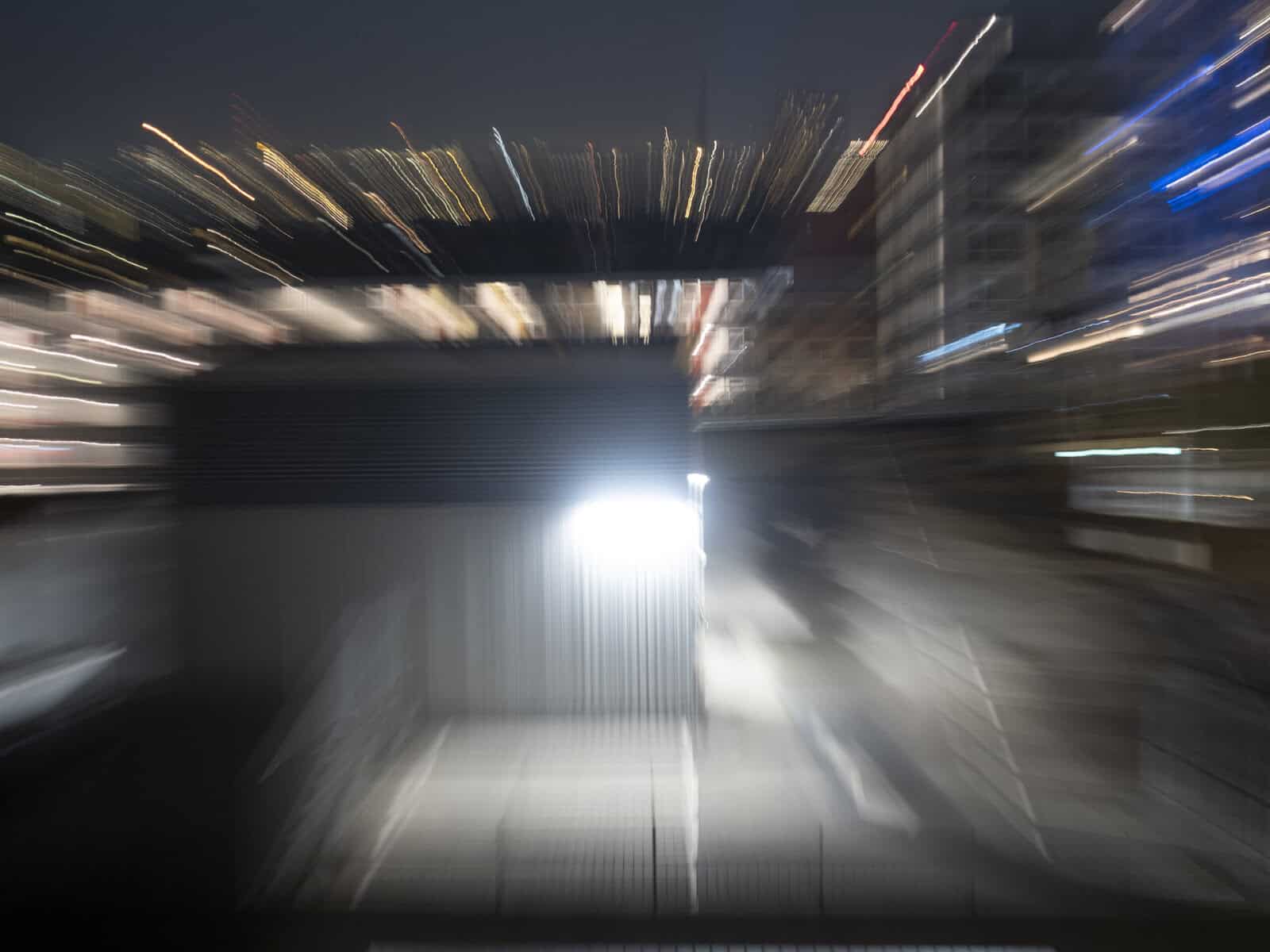
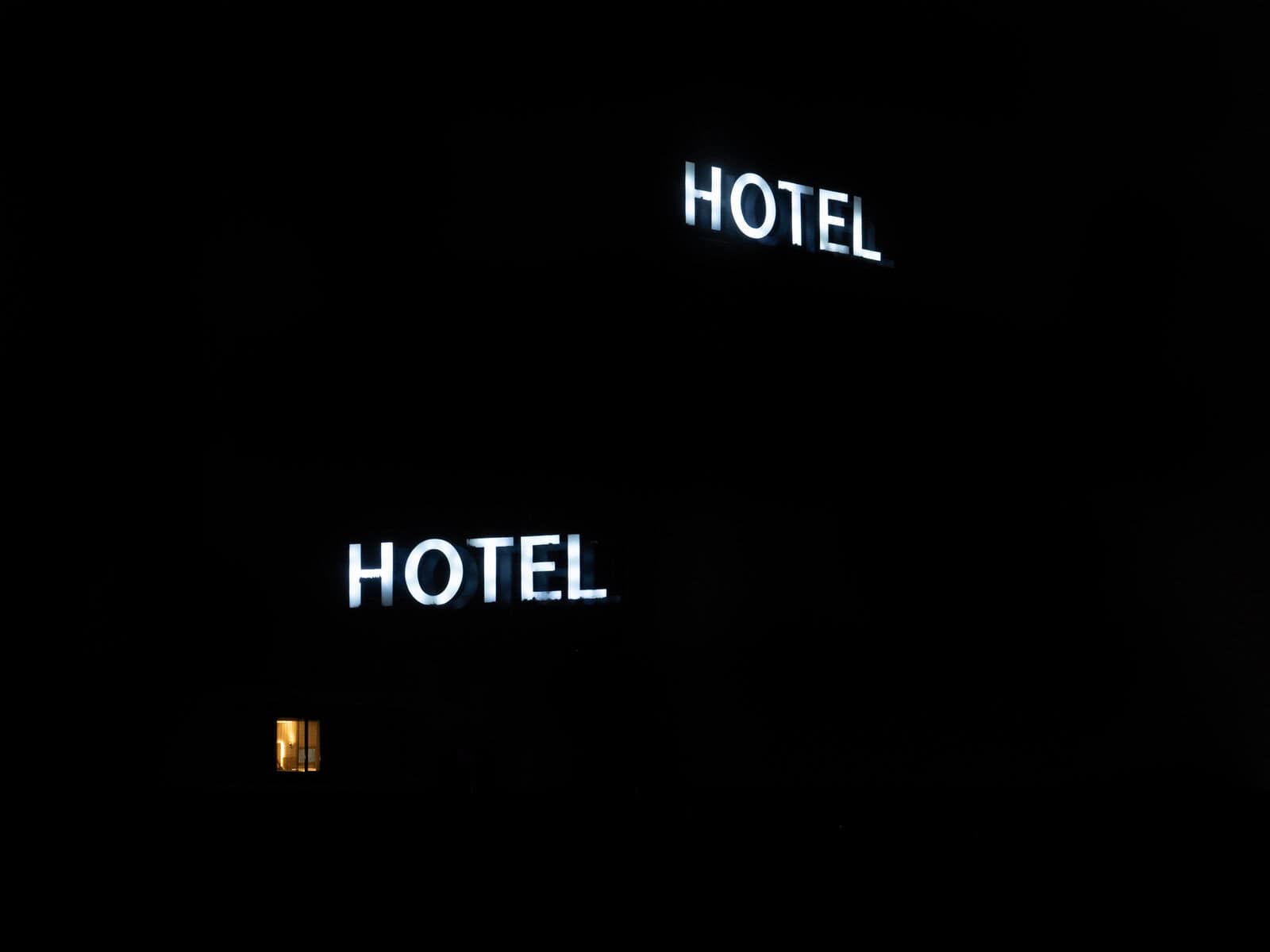
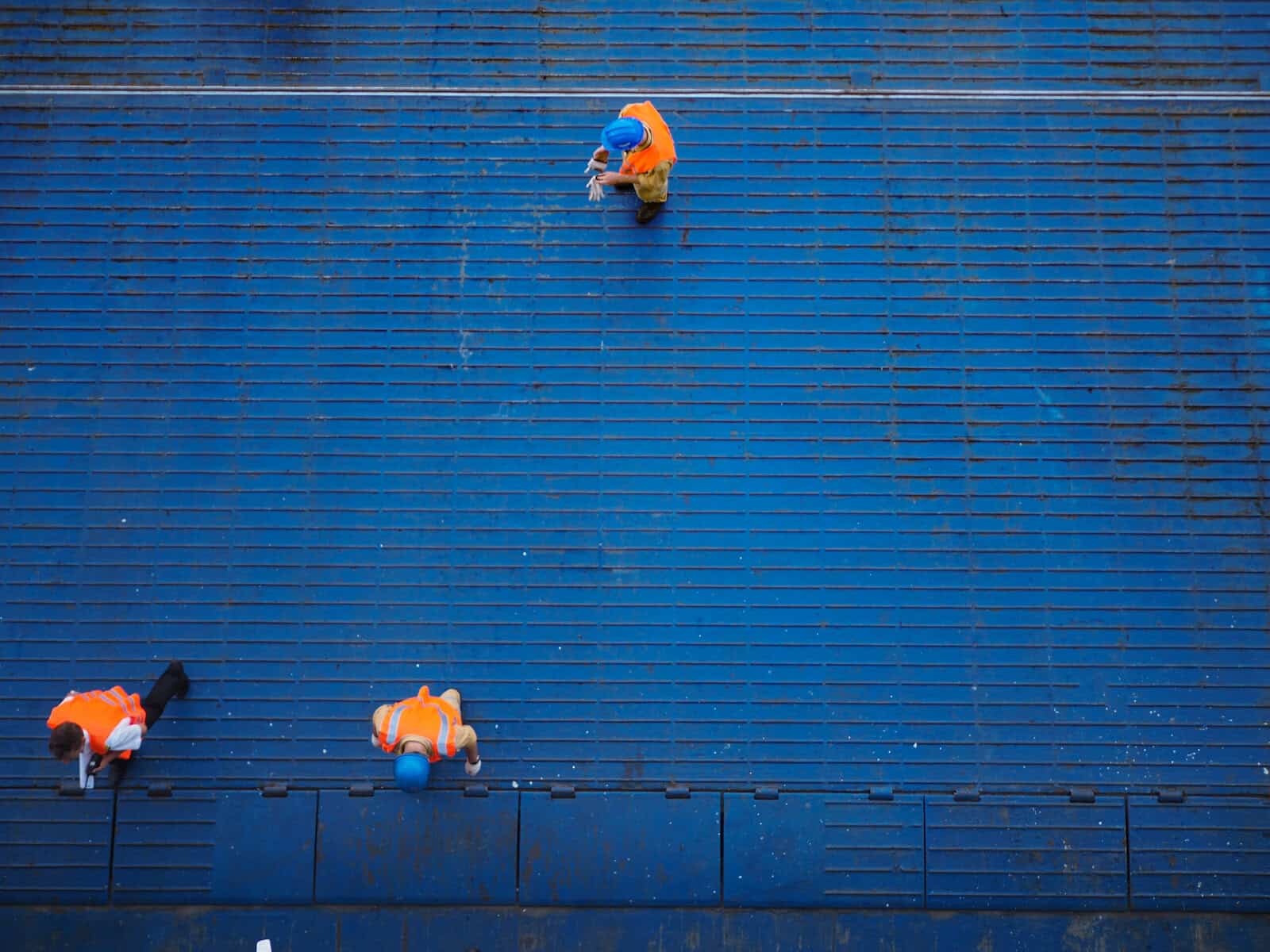
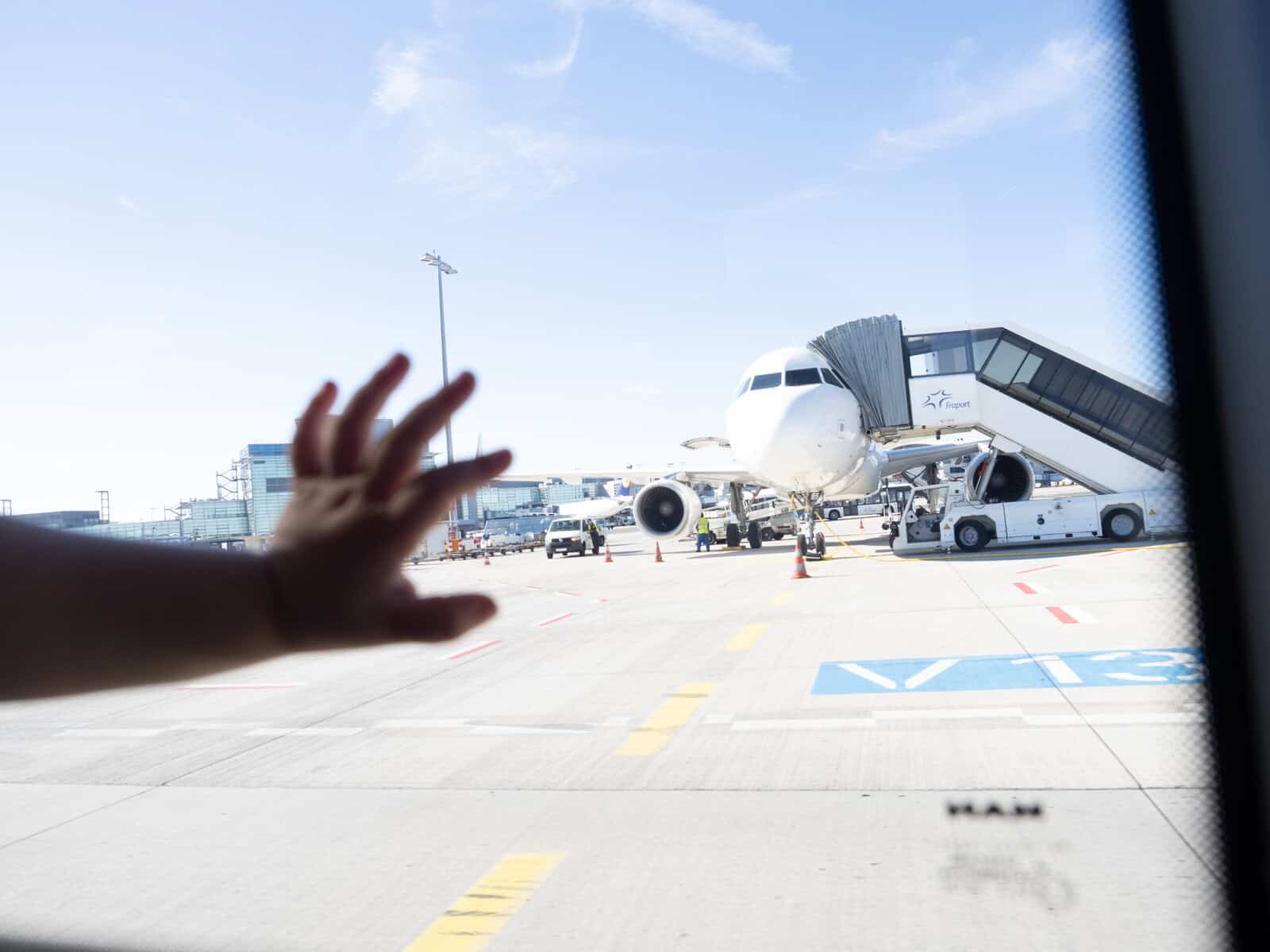
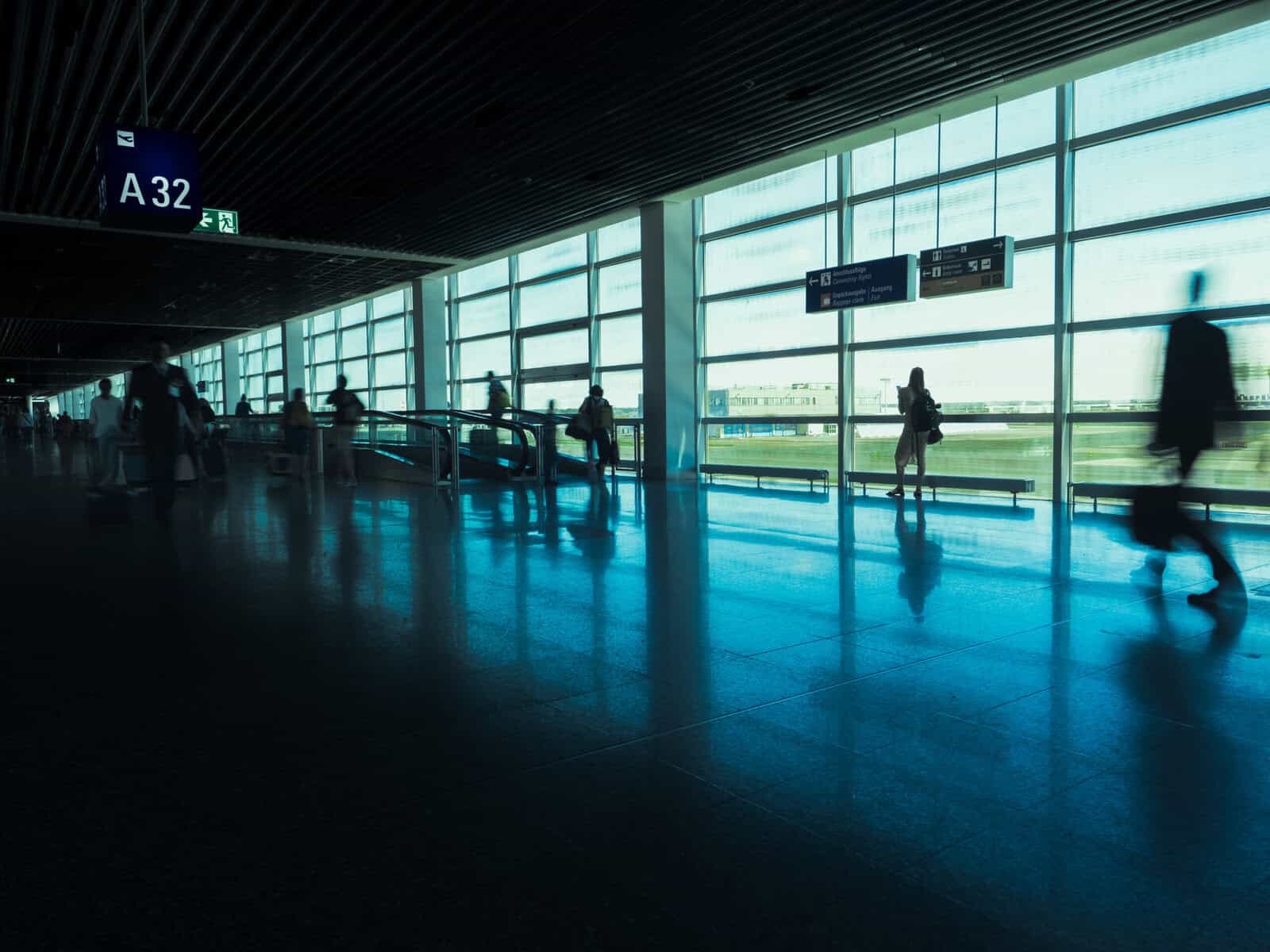
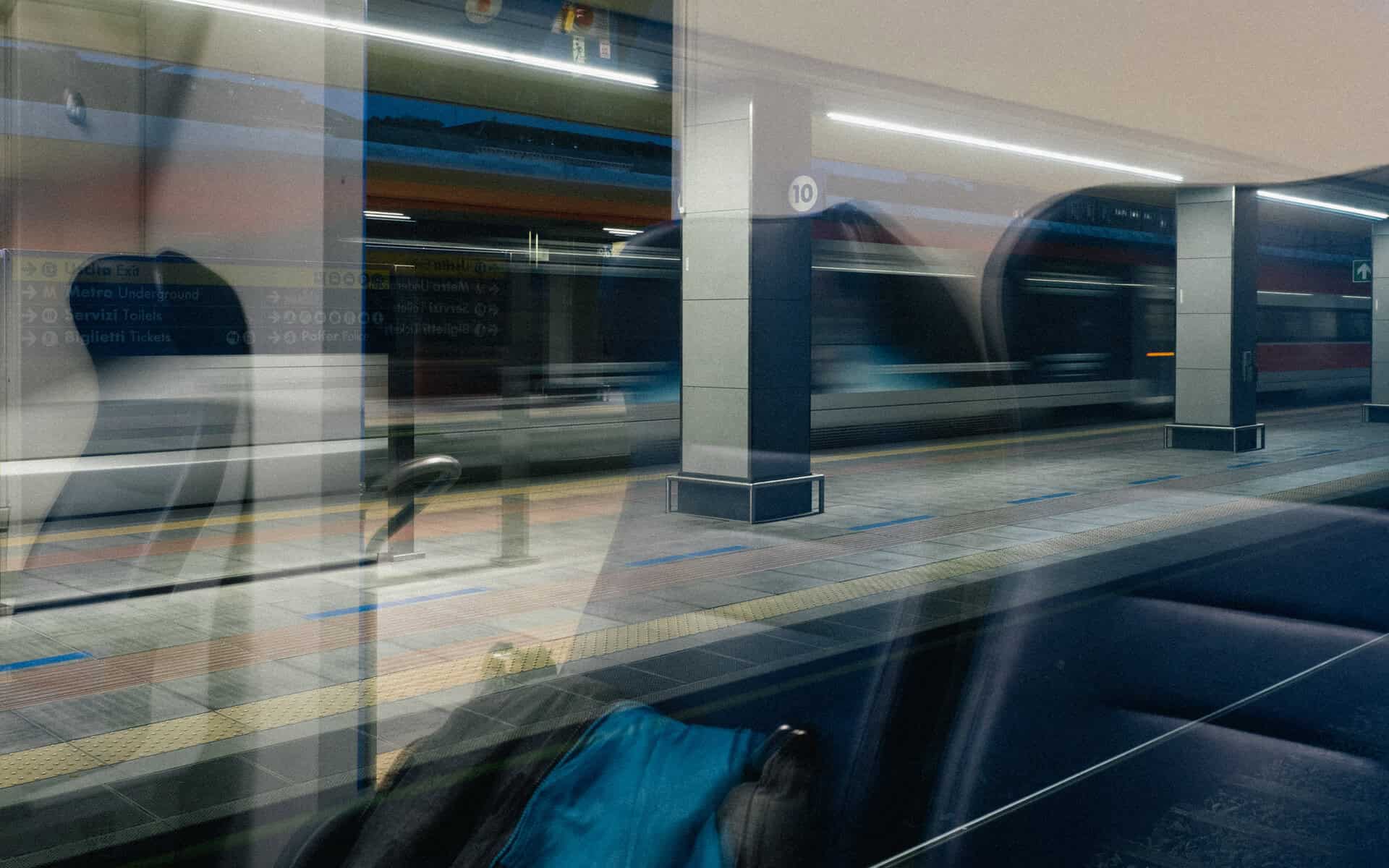
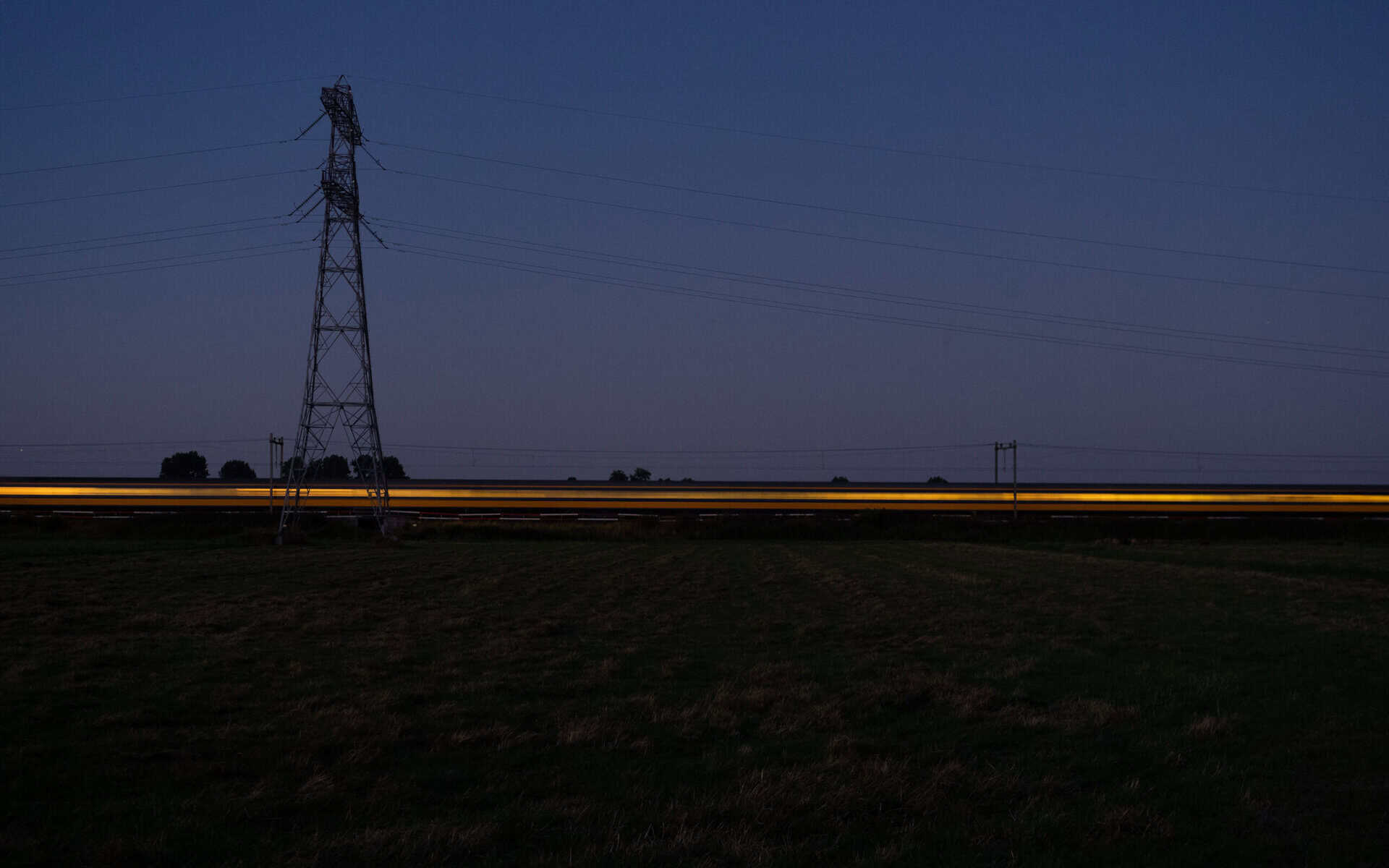
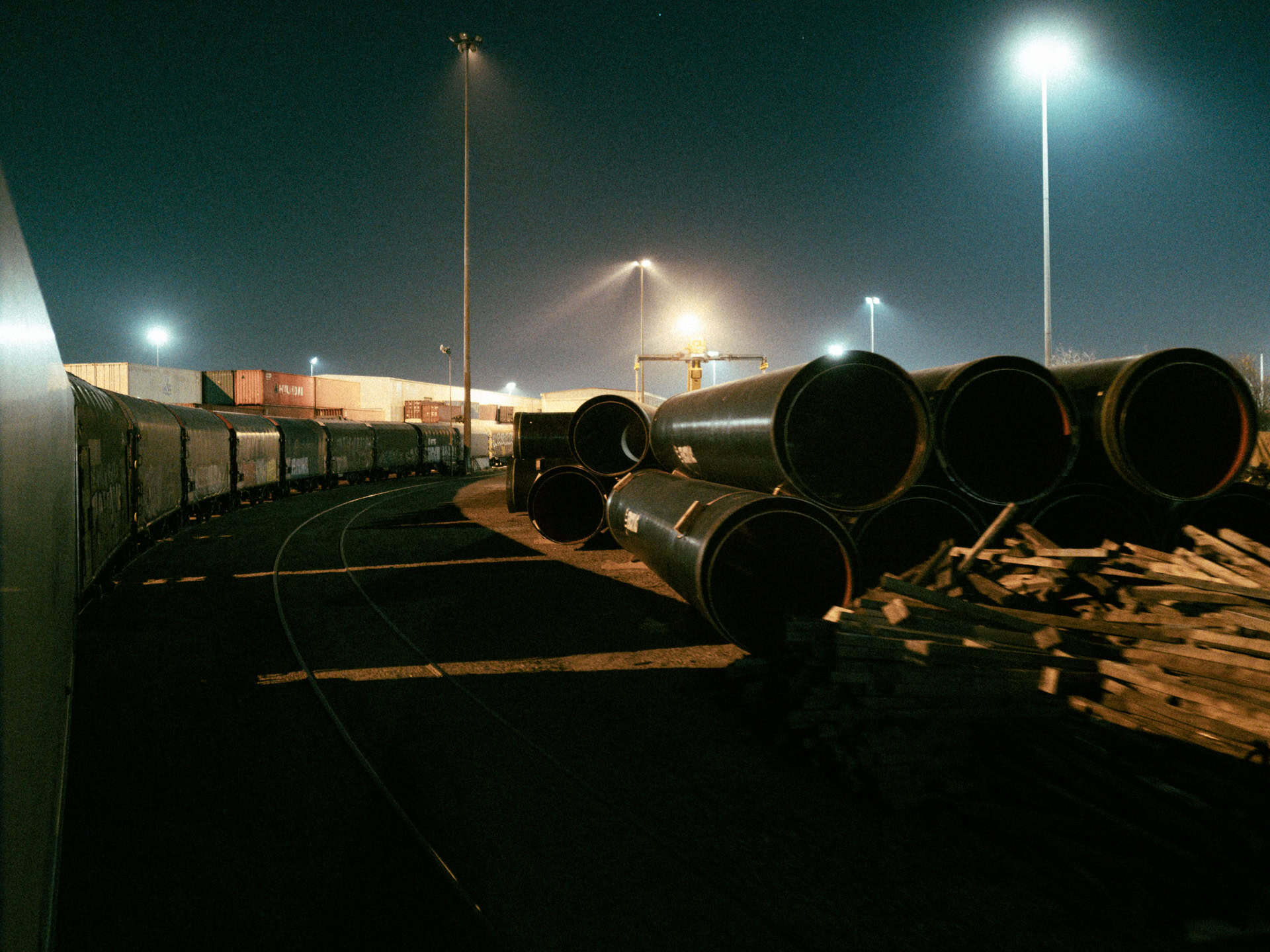
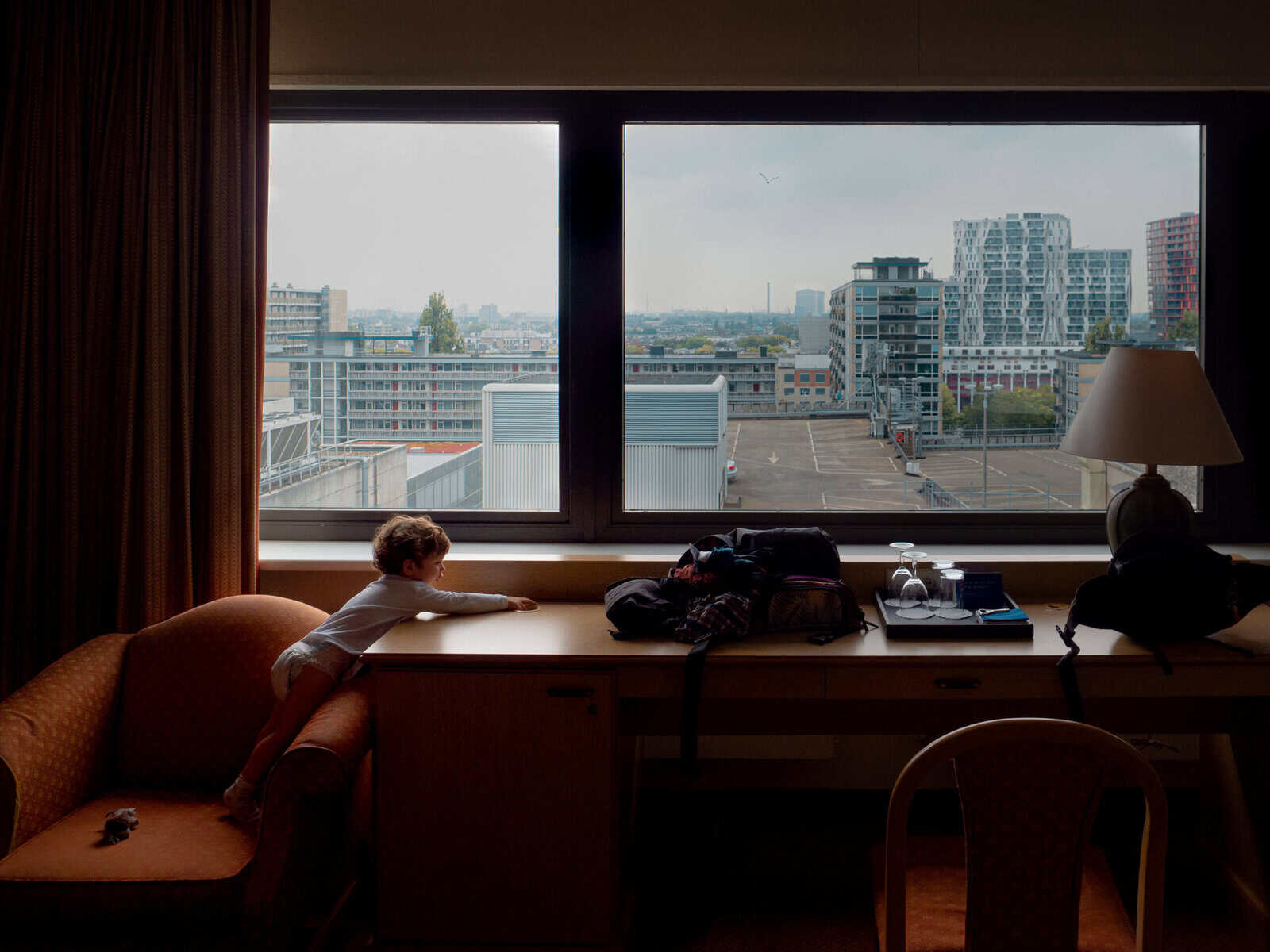
Port of Rotterdam from the hotel, 2022

Industry and transportation: a quick detour away from cycling.

Every good story begins with a displacement of some kind: a person in an unfamiliar place, an object out of context, a journey. Anything that isn’t static, anything that breaks the status quo.

That’s probably why bicycles are an inexhaustible source of good stories. People, travels, encounters.

For the same reason, however, we can look for stories almost anywhere, wherever there is displacement. What changes from one context to another is how you find them and bring them out, of course. But they are there, that’s for sure. 

Then there’s a second thing: a fascination with major infrastructure. Trains, airports, ports, even bus stations and petrol stations. Maybe it comes from my grandfather, who designed some of these big concrete structures all over Italy.

Maybe it’s the romantic sublime that blinds you with the incommensurable power of the nature, who knows. Either way, the pull is instinctive.

Infrastructure and stories

Put the two together, and the connection is almost obvious. A major piece of infrastructure is usually a machine for displacement. A station exists so people can leave and arrive, a port so that whatever never stays still can pass through, a petrol station so that anyone can keep going. These are places built to be crossed, and that is exactly why they are full of stories, big and small, sometimes dramatic. 

Rotterdam harbors

Freight train

Outskirts

Wind turbines

History and stories

Perhaps for this reason, some of the best stories I recall come from my dear friend David: retiree from the Bureau of Land Management in California and Nevada, he knows everything about the water infrastructure that caused so much trouble in the valleys across XX century. From lakes disappearing to the sabotages by the native tribes; from the building of dams to the building of cold-war bunkers. No secrets for him from Los Angeles to Las Vegas, and he was happy to share his knowledge during our rides around Pasadena and the Owen Valley. Thanks to his anecdotes and stories, I could picture the complex history of that region a lot better.

Of course my work so far is not about this. However, while travelling (by bike or not), you always stumble upon these things. And my instinct pushed me to work with that. 

These photographs were made without a commission or a brief. They are the view of someone who stops to look at the places usually neglected, because that is usually where the story begins.

Freight train

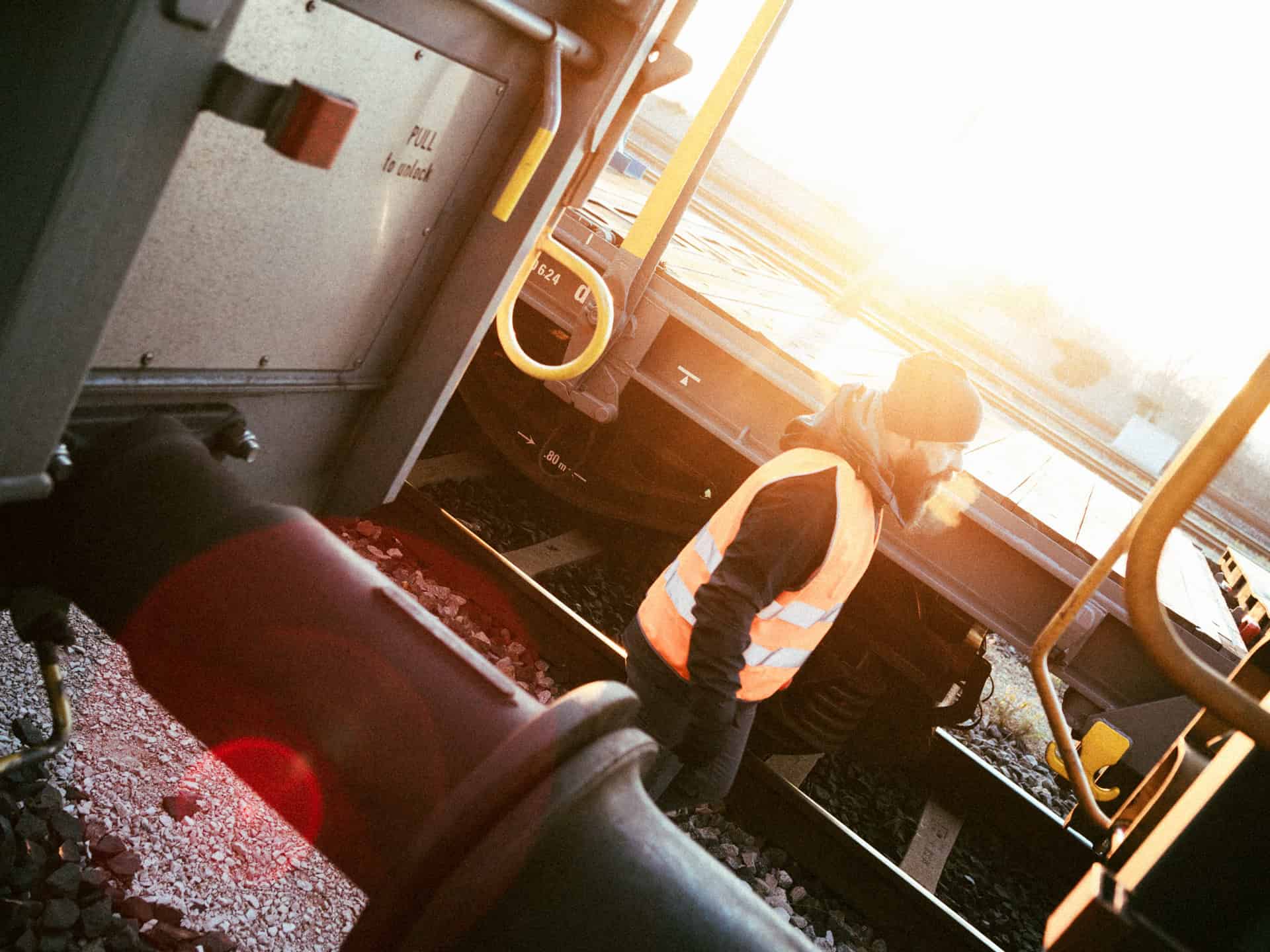
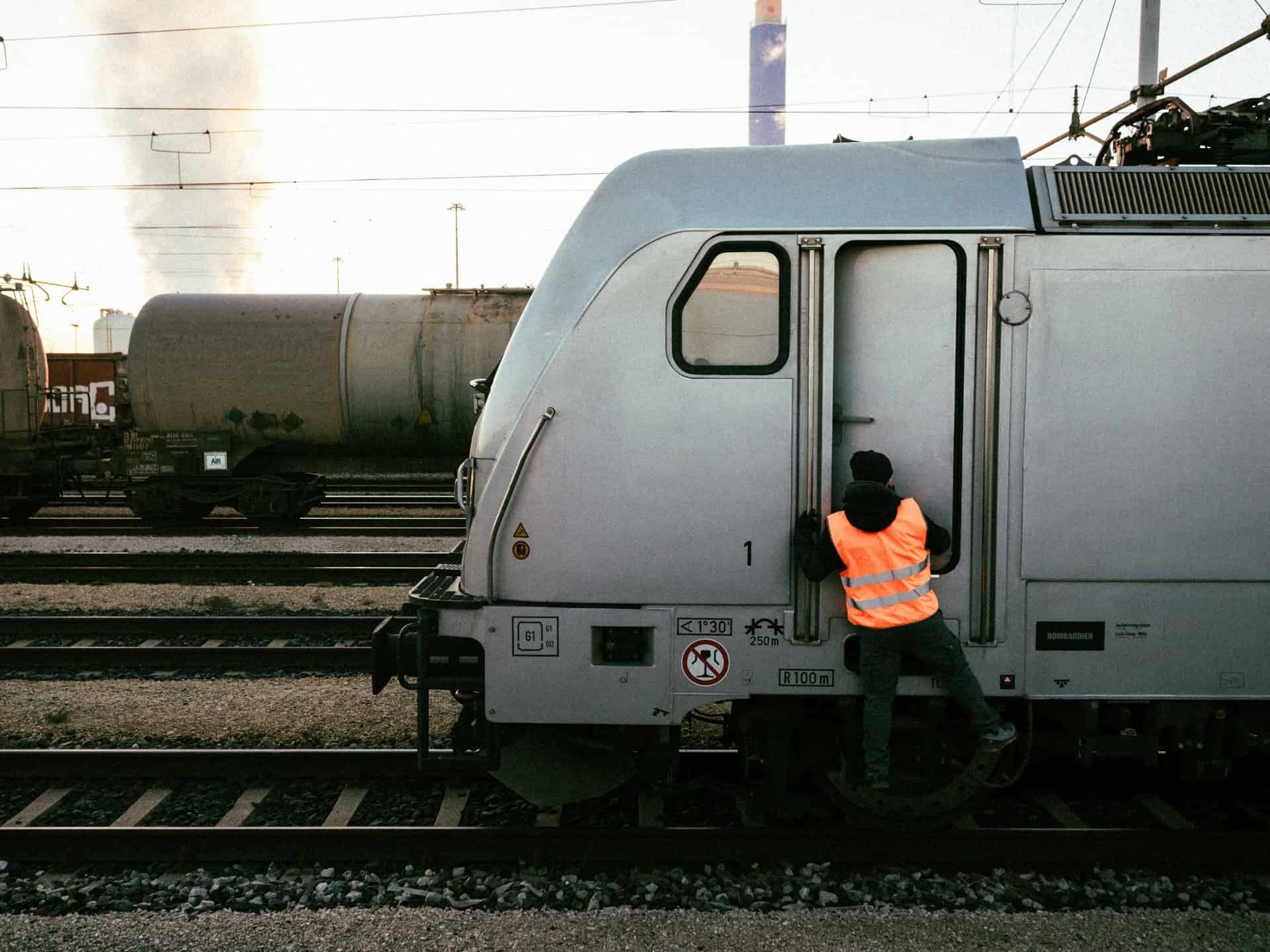
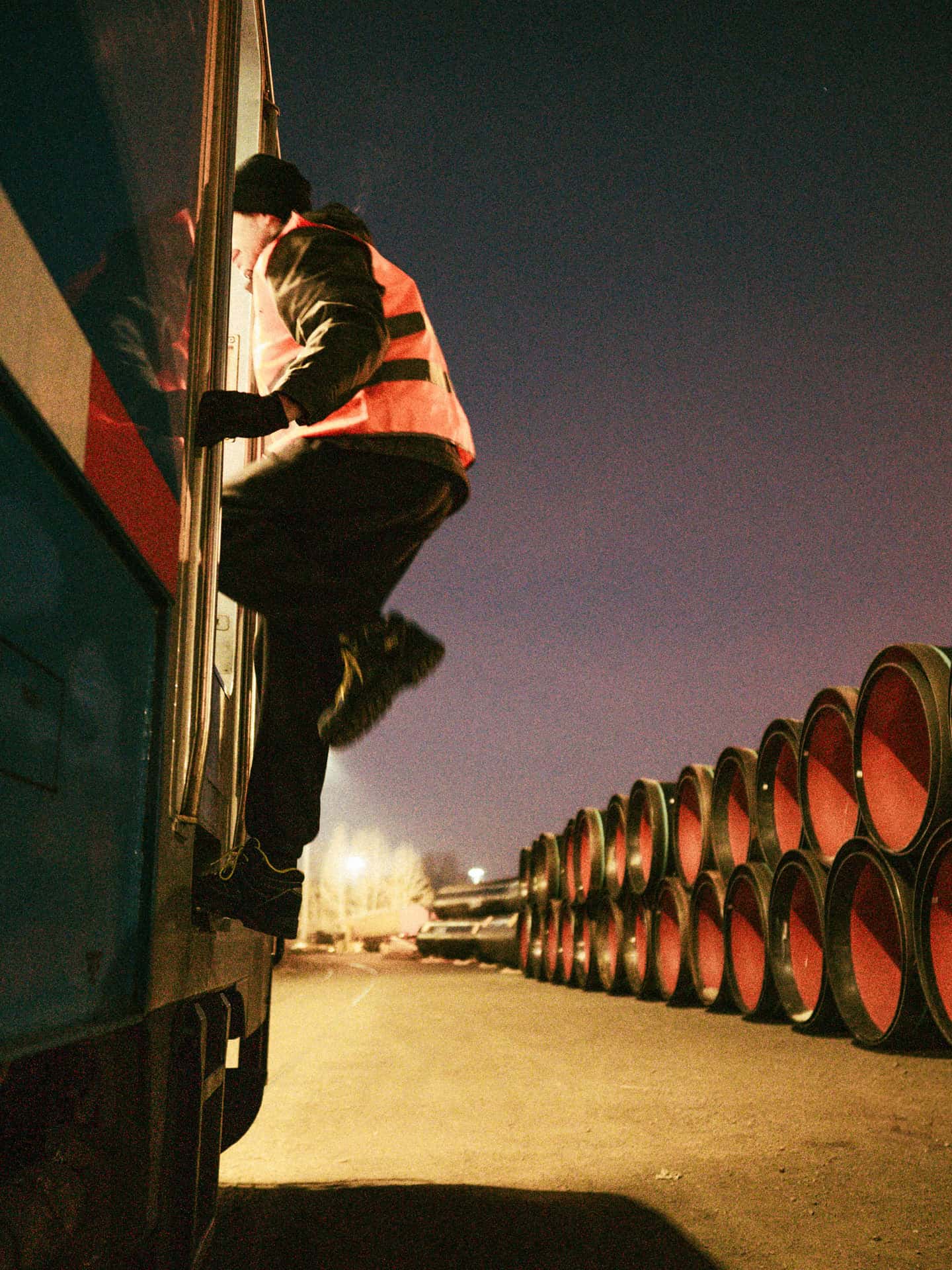
When they ask you if you want to hop on and take photos on a freight train, departing at dawn and arriving at the sea, you don’t say no. You can only say thank you, wake up in the middle of the night, head to the train depot, and then photograph everything you can.
 
And so I did. As you can imagine, I was quite nervous, especially after spending lots of words about “turning constraints into narrative keys, (ITA)” using Paul Fusco and his marvelous Funeral Train as an example.

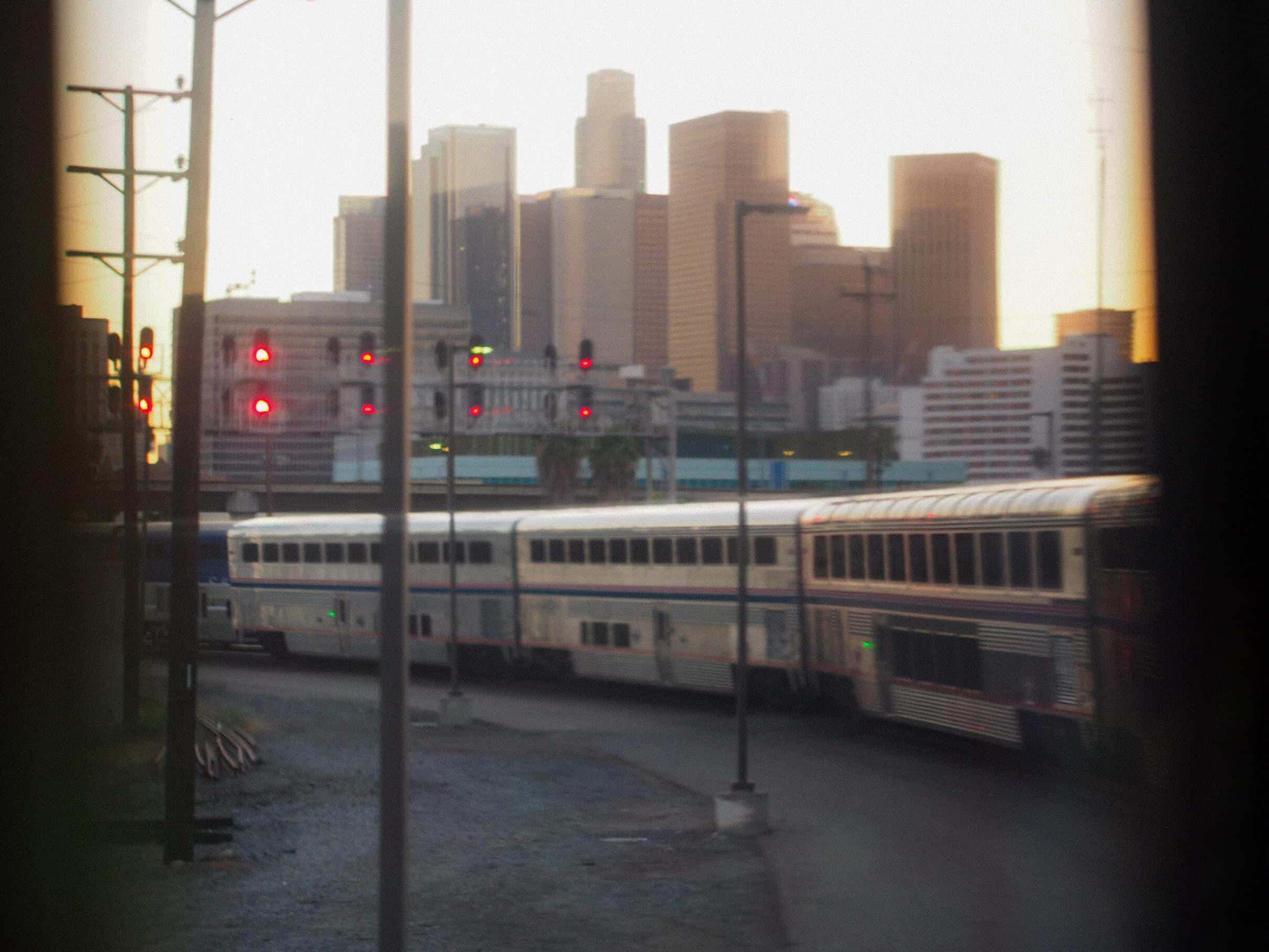
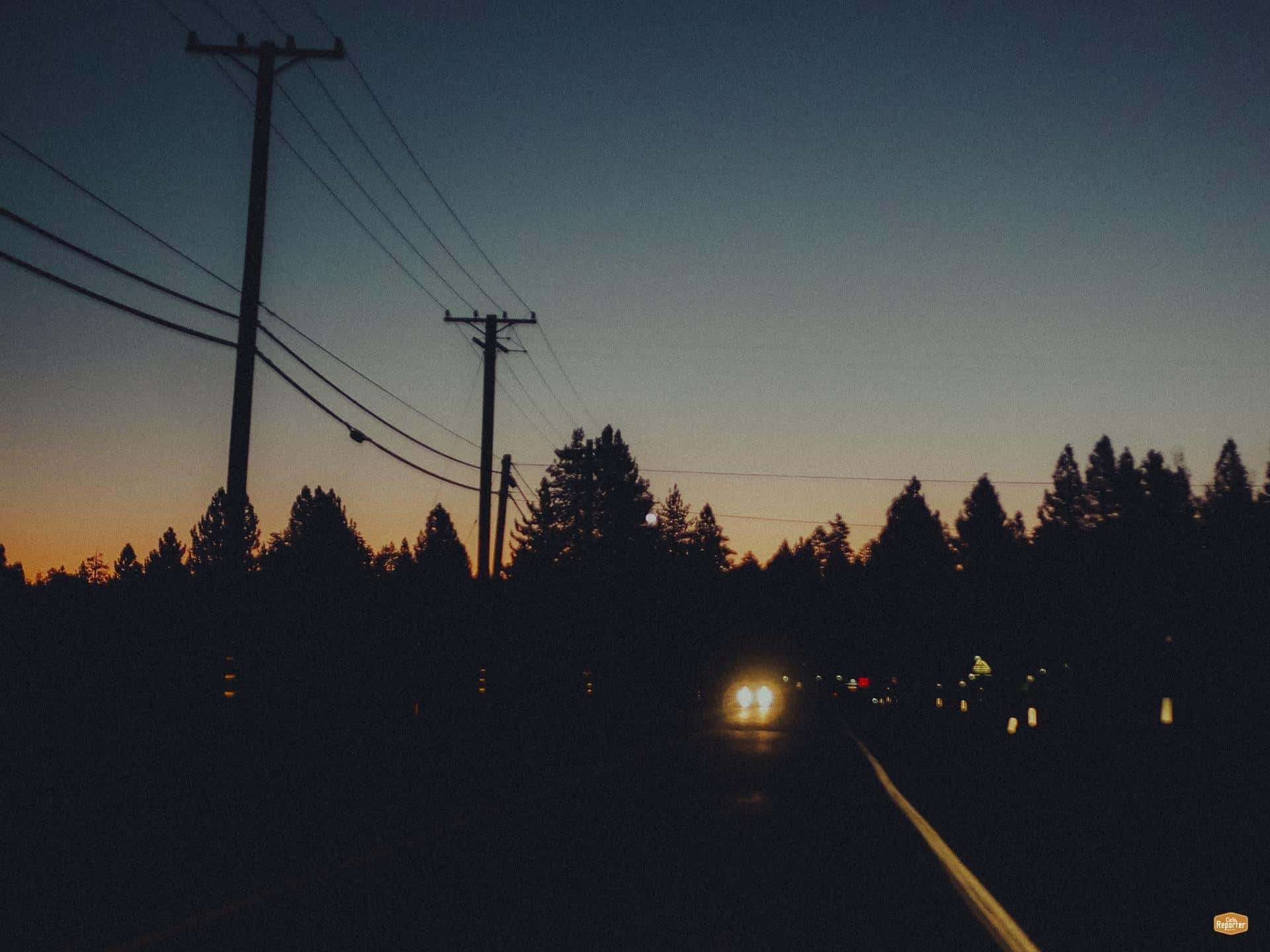
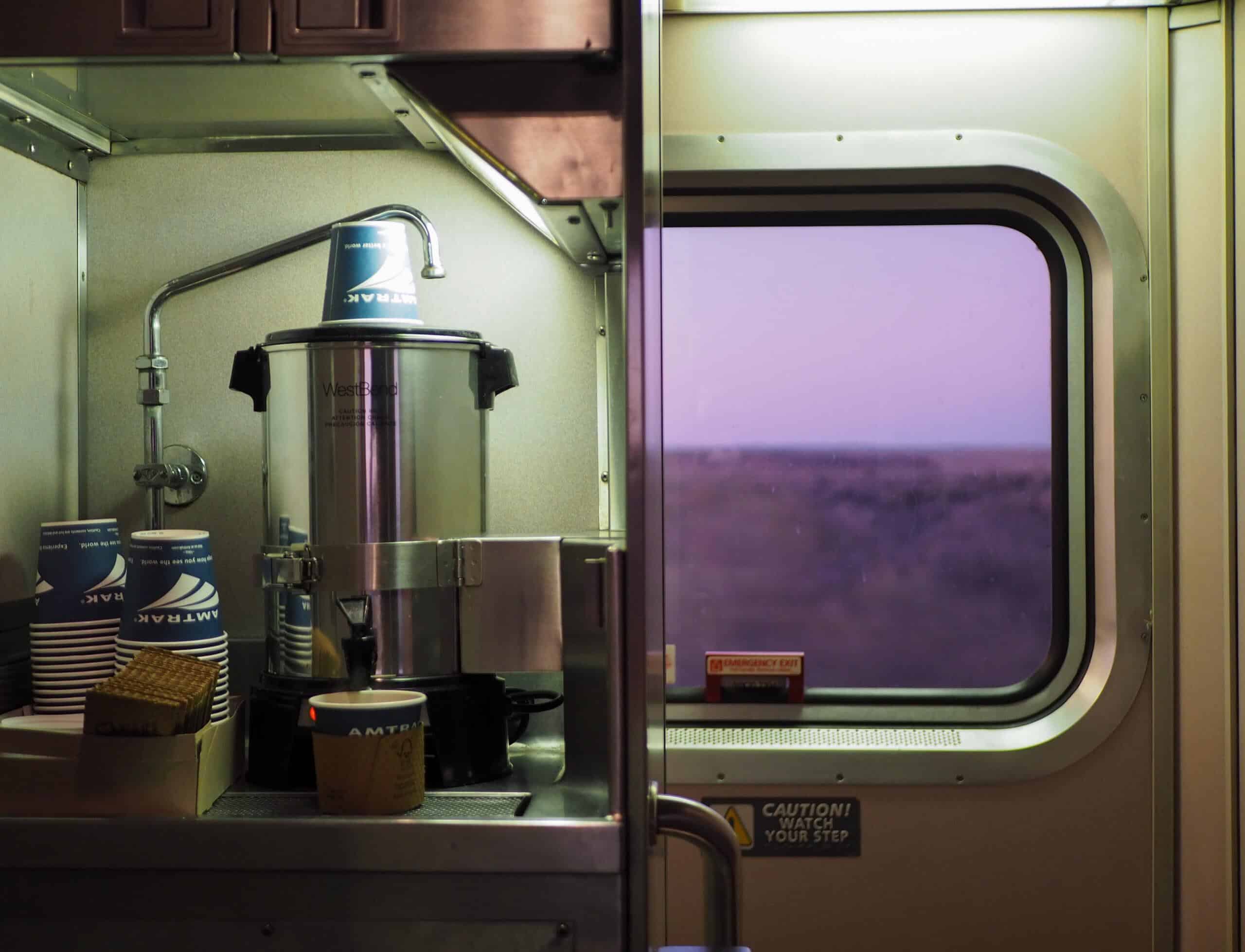
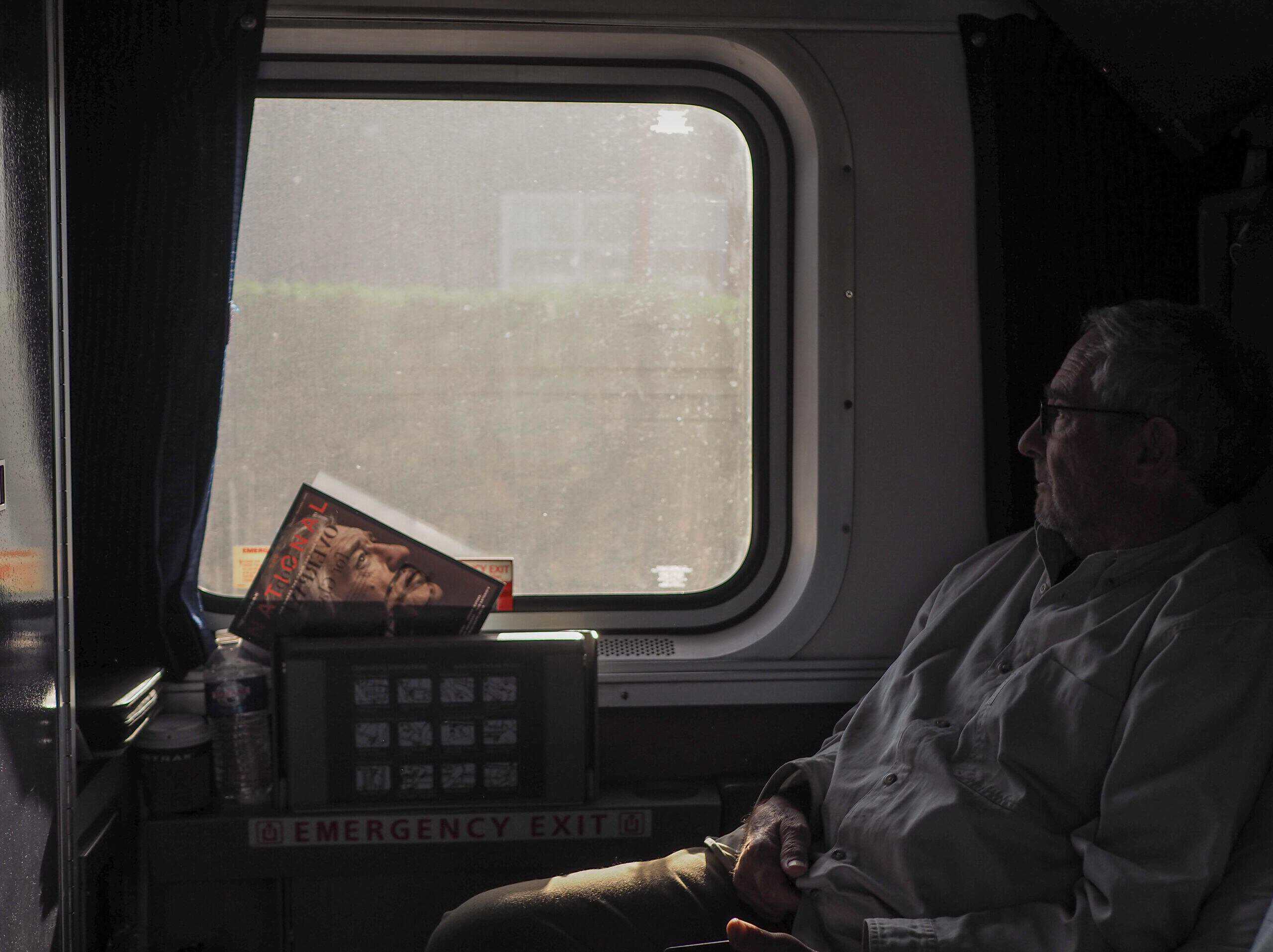
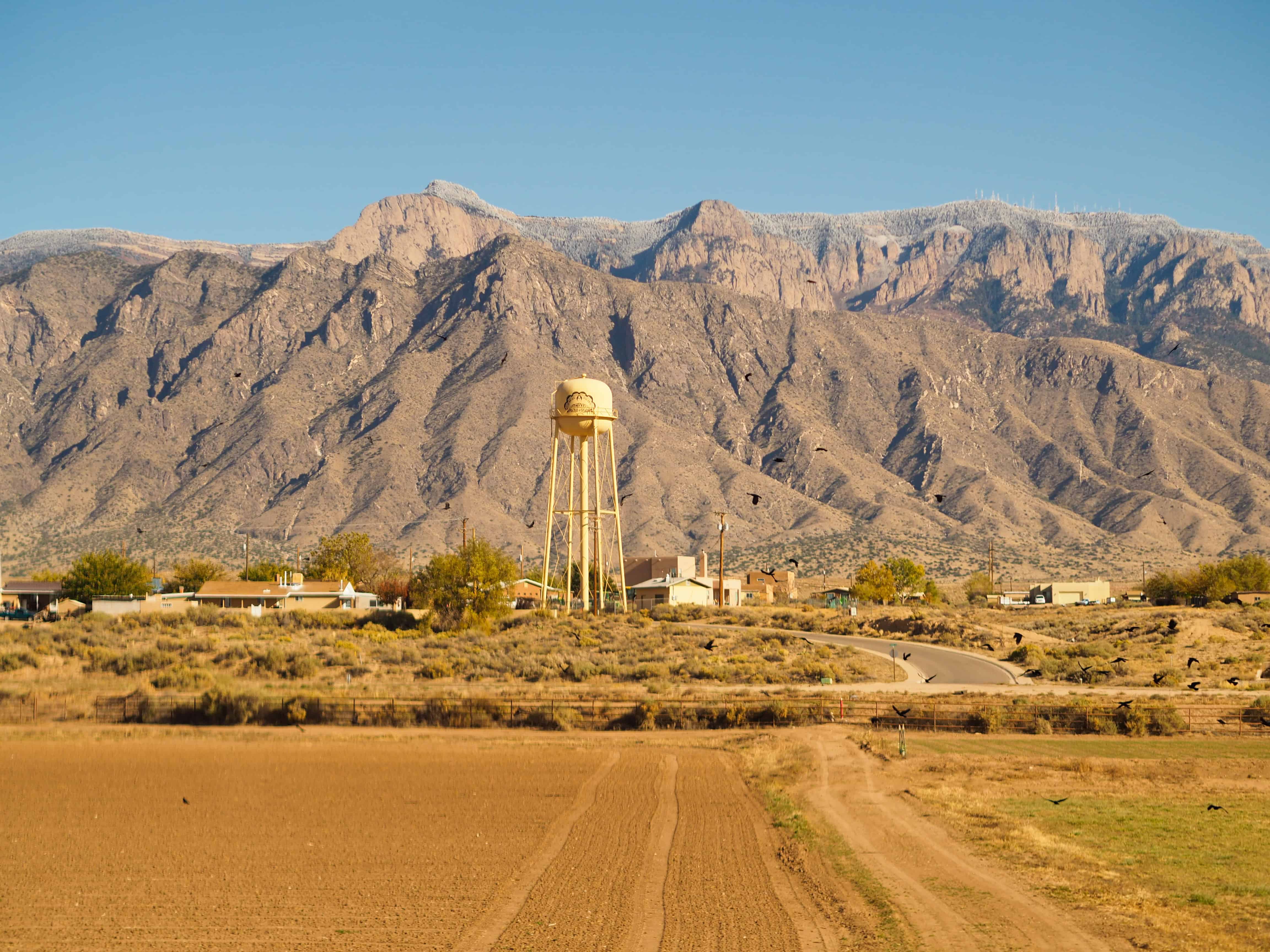
My friend David, with whom I shared a brief but intense chapter of life in Pasadena, had worked as a young man on the trains of the Santa Fe Railroad, which also ran through his hometown of Topeka. While I was living in California, we traveled several times by train, heading to New Mexico and to San Francisco. It was an experience with an unmistakable Old Wild West flavor—and at about the same average speed as back then.

So, first of all, a few photos of our journeys. At the time, I had just started both photographing and ultracycling, taking advantage of the “bachelor lifestyle” I was living during that period.

Back to our freight train adventure. 
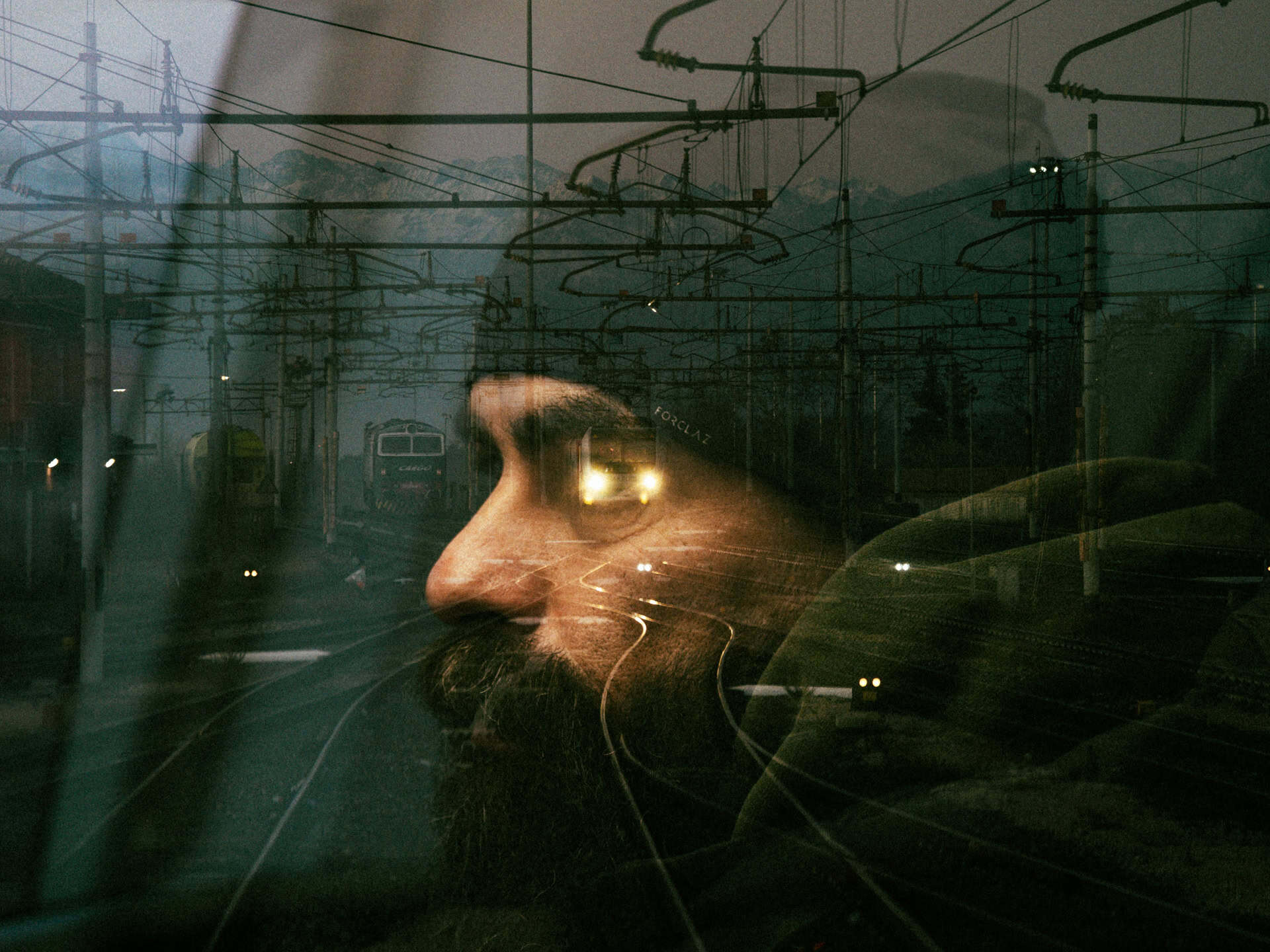
I didn’t set any specific goals for myself, other than to have fun and experiment. I was sure that I wanted to take photos on a freight train, not of a freight train. And maybe practicing double exposures, since I was recently captivated by them after seeing photos from a cycling shoot in a train yard in Los Angeles. What a coincidence, huh?
The day actually begins in the middle of the night, with some logistical preparations in a biting cold, while the sky slowly lightens with the dawn. 

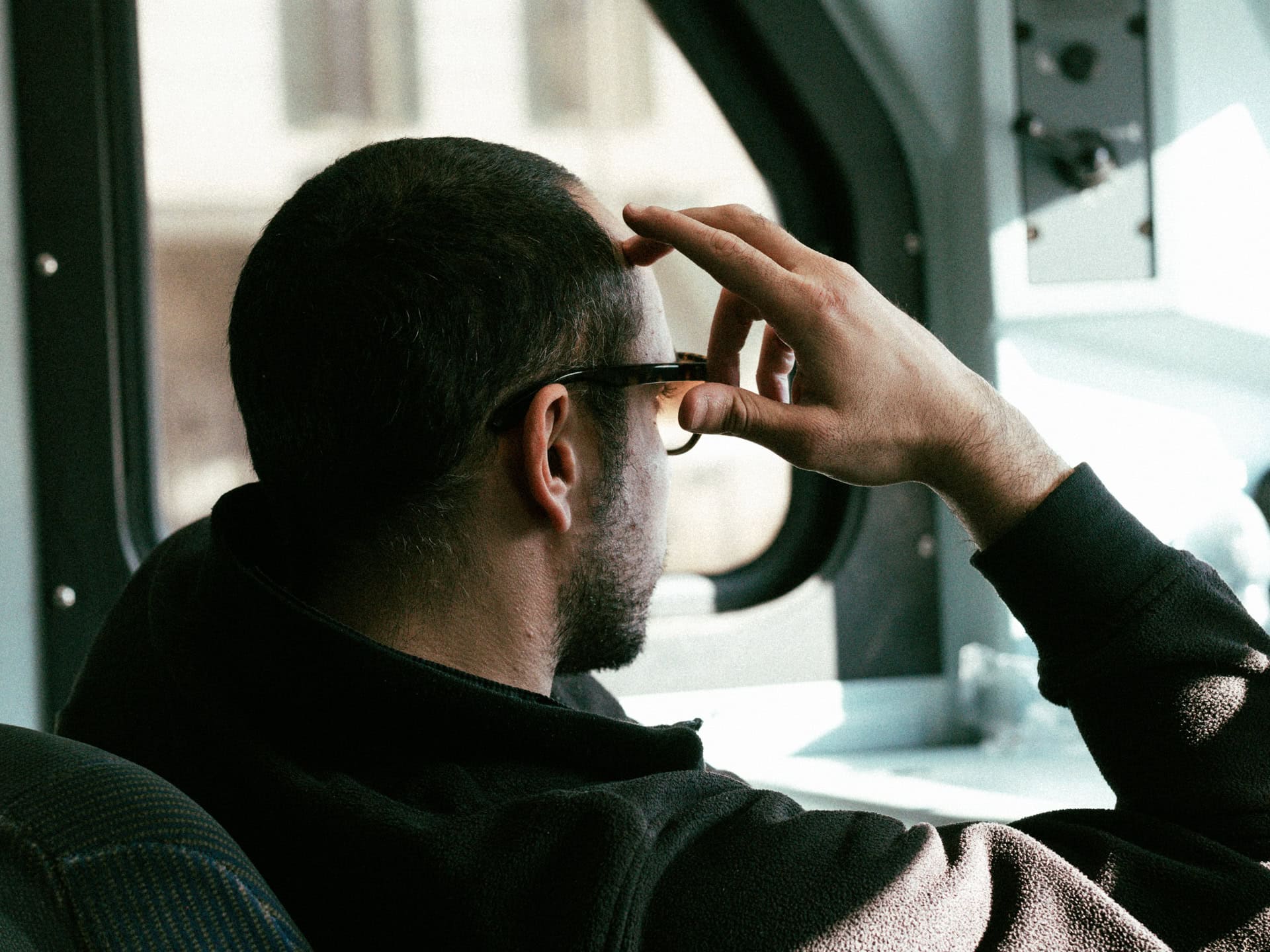
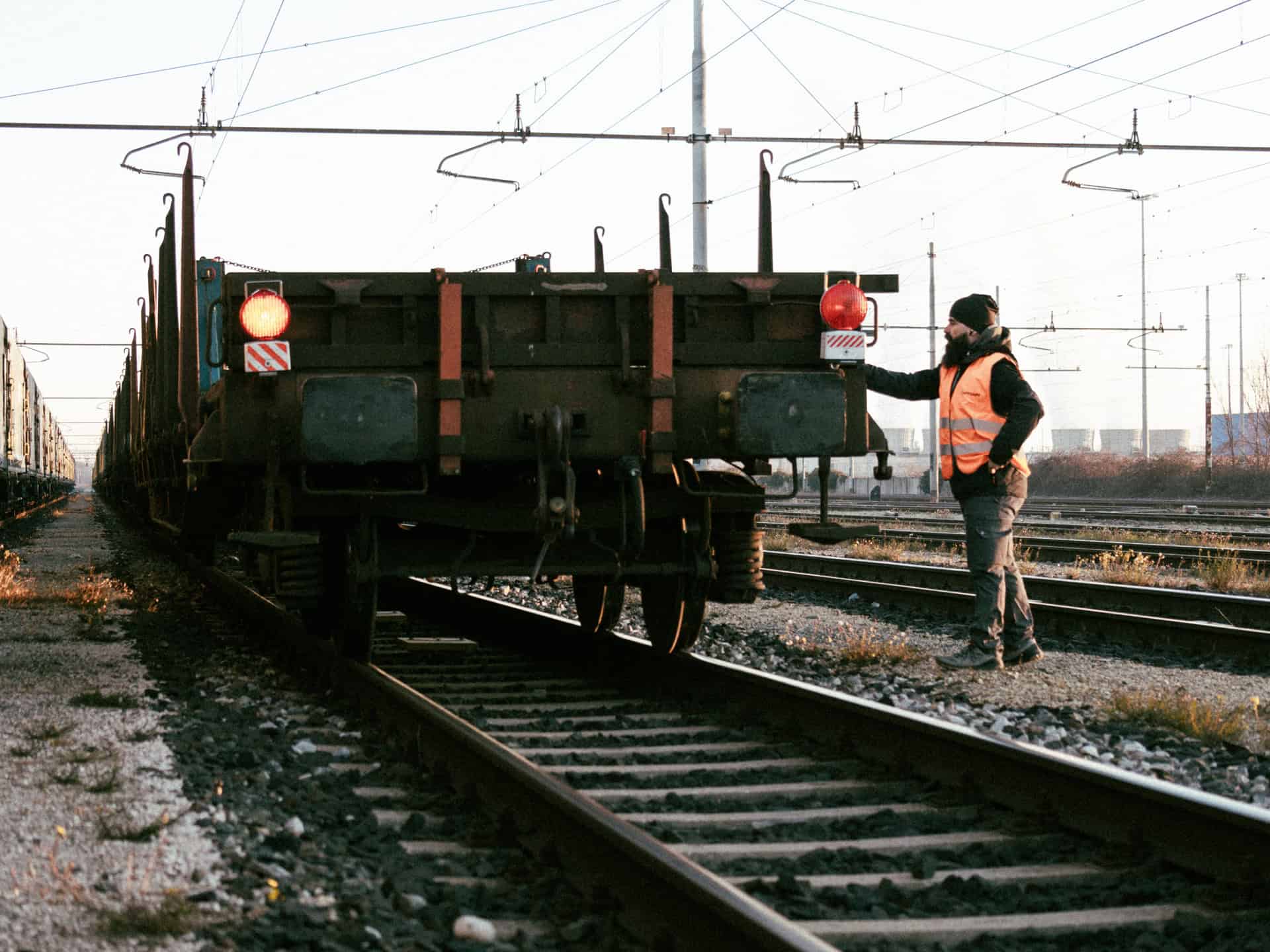
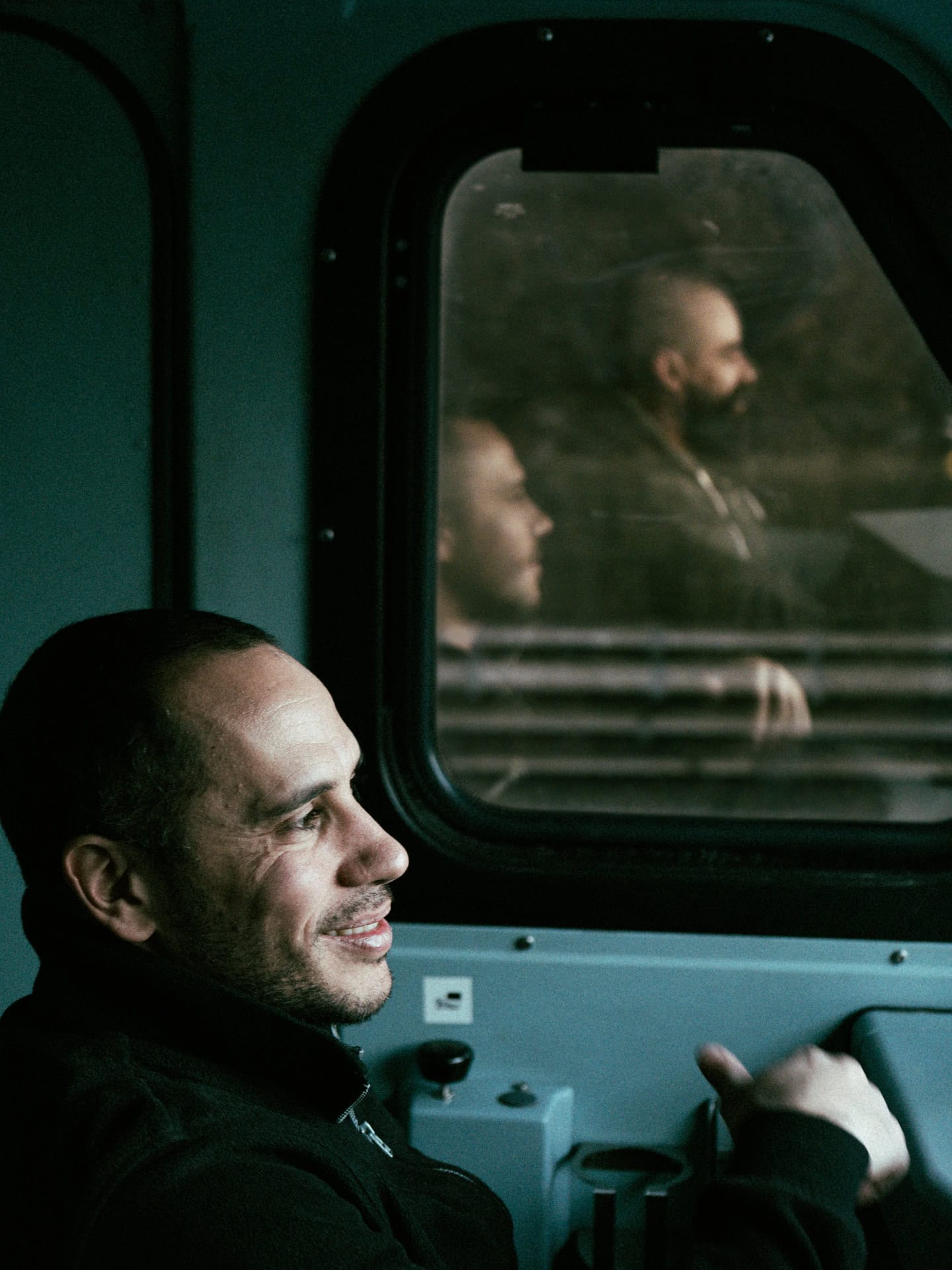
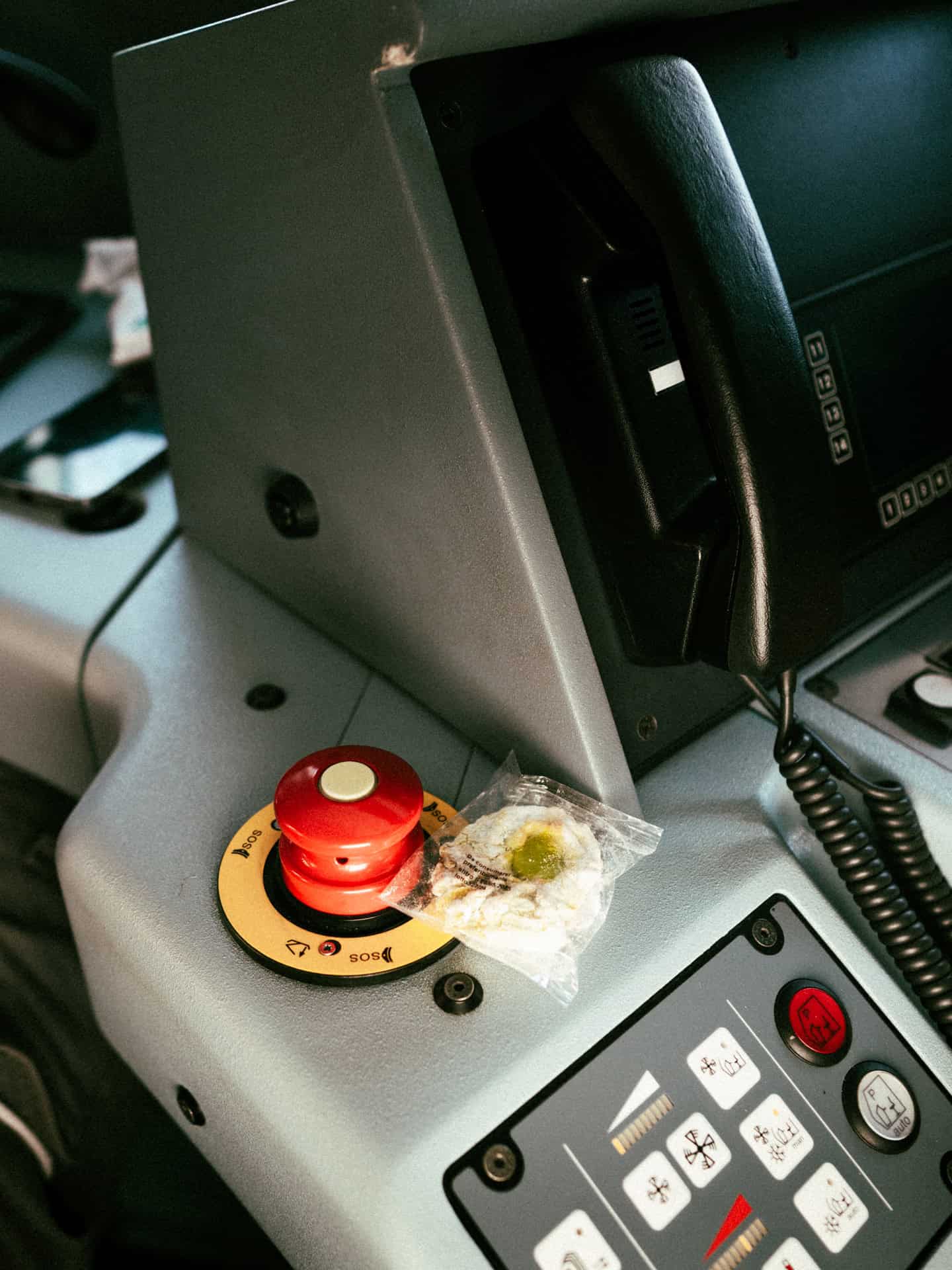
Then comes the actual departure: checks, paperwork, more checks, communications, even more checks, and finally we head east, toward the sun peeking over the horizon. From that moment on, we stay in the cab—a “square” about two meters wide and slightly less deep. There are two chairs, one for the driver and one for the assistant; if there are three of us, we take turns, though standing forces me to move around and look for different angles.

Checklist

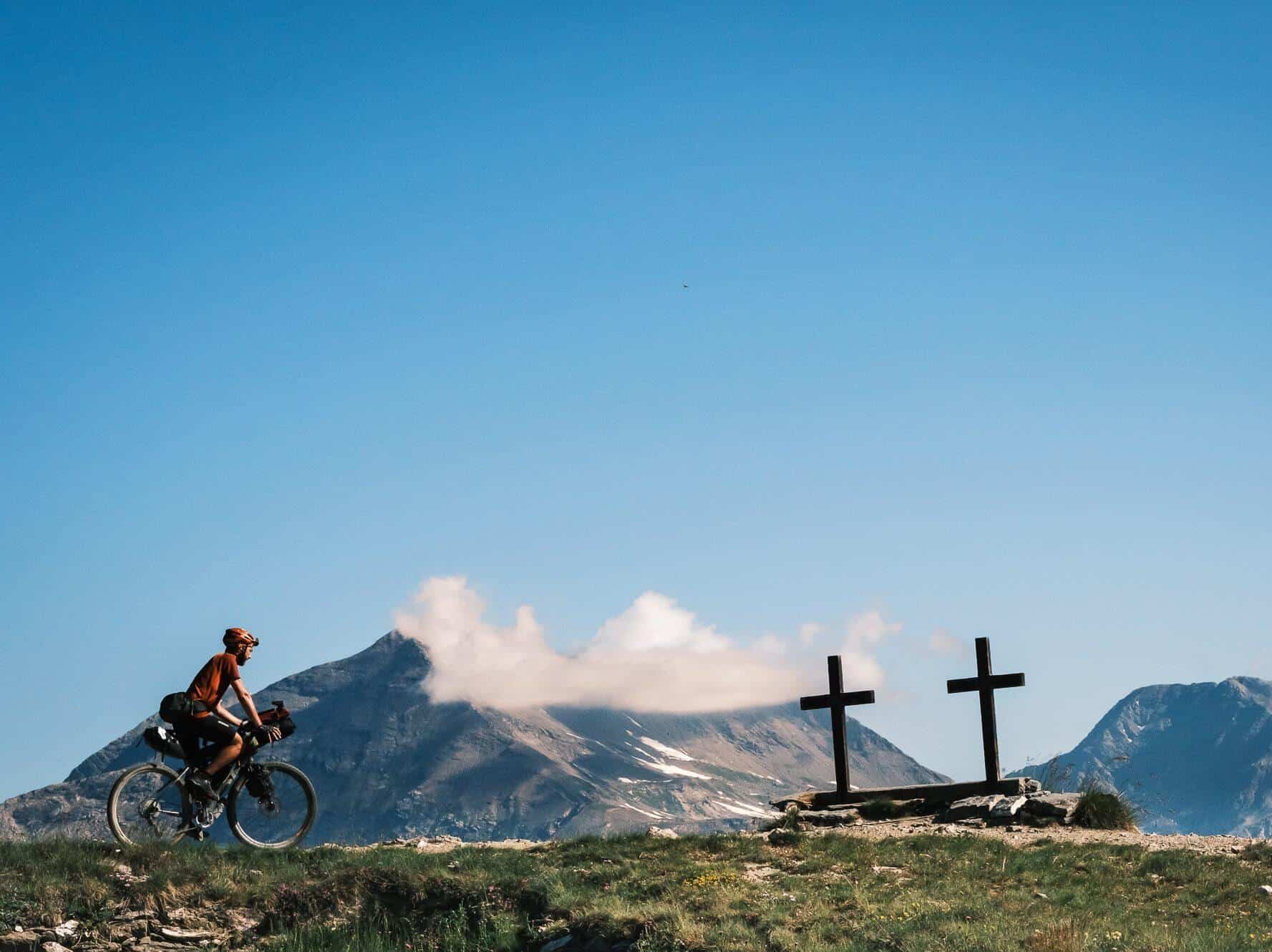
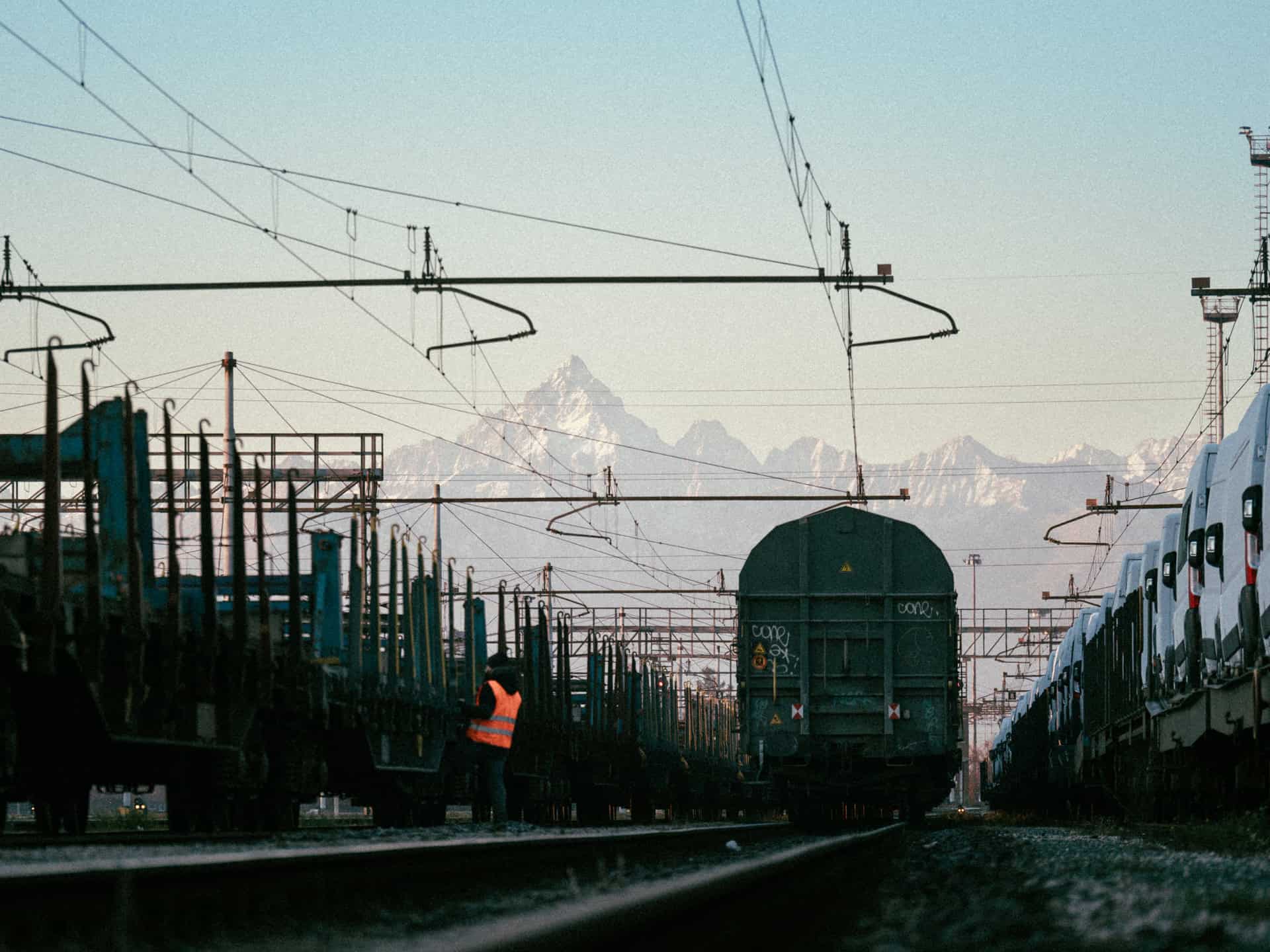
Monviso

On the track

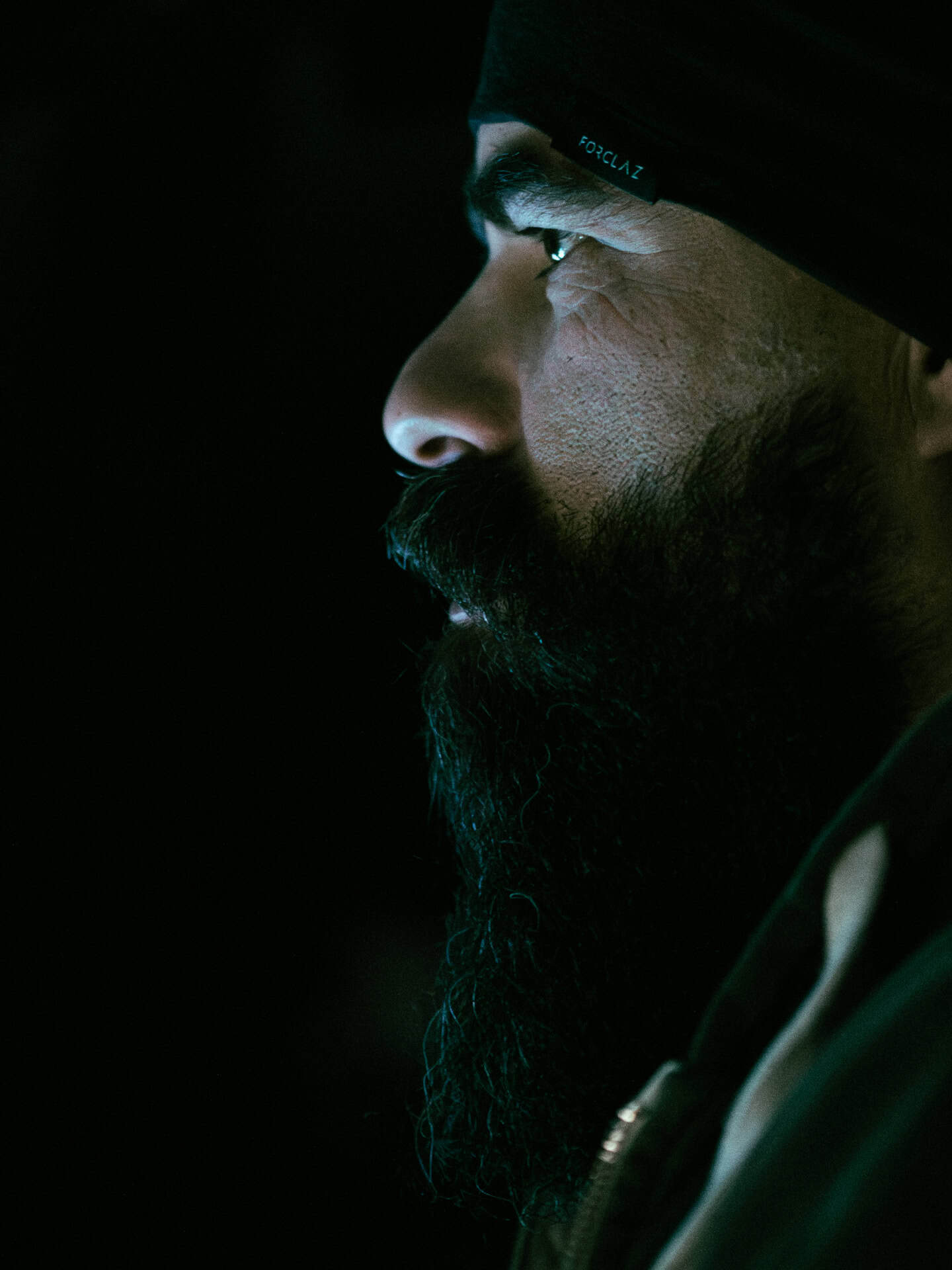
From there, I focus on capturing more of the inside than the outside, taking advantage of moments when the elements of the landscape and the morning light combine to create intriguing plays of light. For several hours, I am able to explore the movements of the train operators, their work routines, and a few unexpected events that brought the day to life.

Gear

I chose to use my usual combo, OM1.II and the EM1.III, with a combination of lenses:

  • Zuiko 7-14mm 2.8 PRO
  • Lumix 35-100mm 2.8 OIS II 
  • Zuiko 17mm 1.2 PRO
  • Zuiko 45mm 1.2 PRO

I purposely left home the classic 12-40 2.8, which would have been enough fore 90% of the shots, to challenge myself a bit about finding interesting angles. I knew I would use the 7-14 only in the cabin (I am not a fan of ultrawide pictures), and the zoom mainly in the yard; so the most of the 800 pics I shot were with the two PRO prime lenses. I love the 17, and the 45, although not an easy lens, it’s really hard to replace when you need it.

More thoughts on Stories and tellers

More thoughts on Stories and tellers

Get in touch!

Improve your cycling photography!

Subscribe to Fotogramma, the monthly newsletter about cycling photography: stories, tips, and techniques. 

Or, simply explore the blog!

Scroll to top