

Industry: a quick detour
Where to find interesting stories? Quick answer: where things and people are on the move.
Wait, wasn’t it meant to be a cycling photography blog? And now we read about funerals?
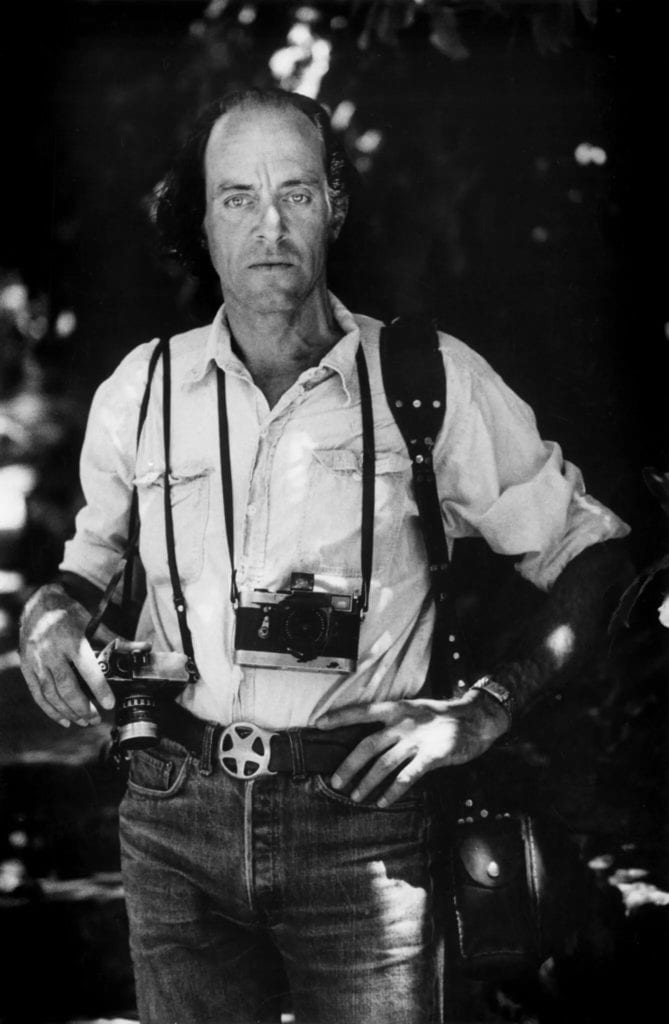
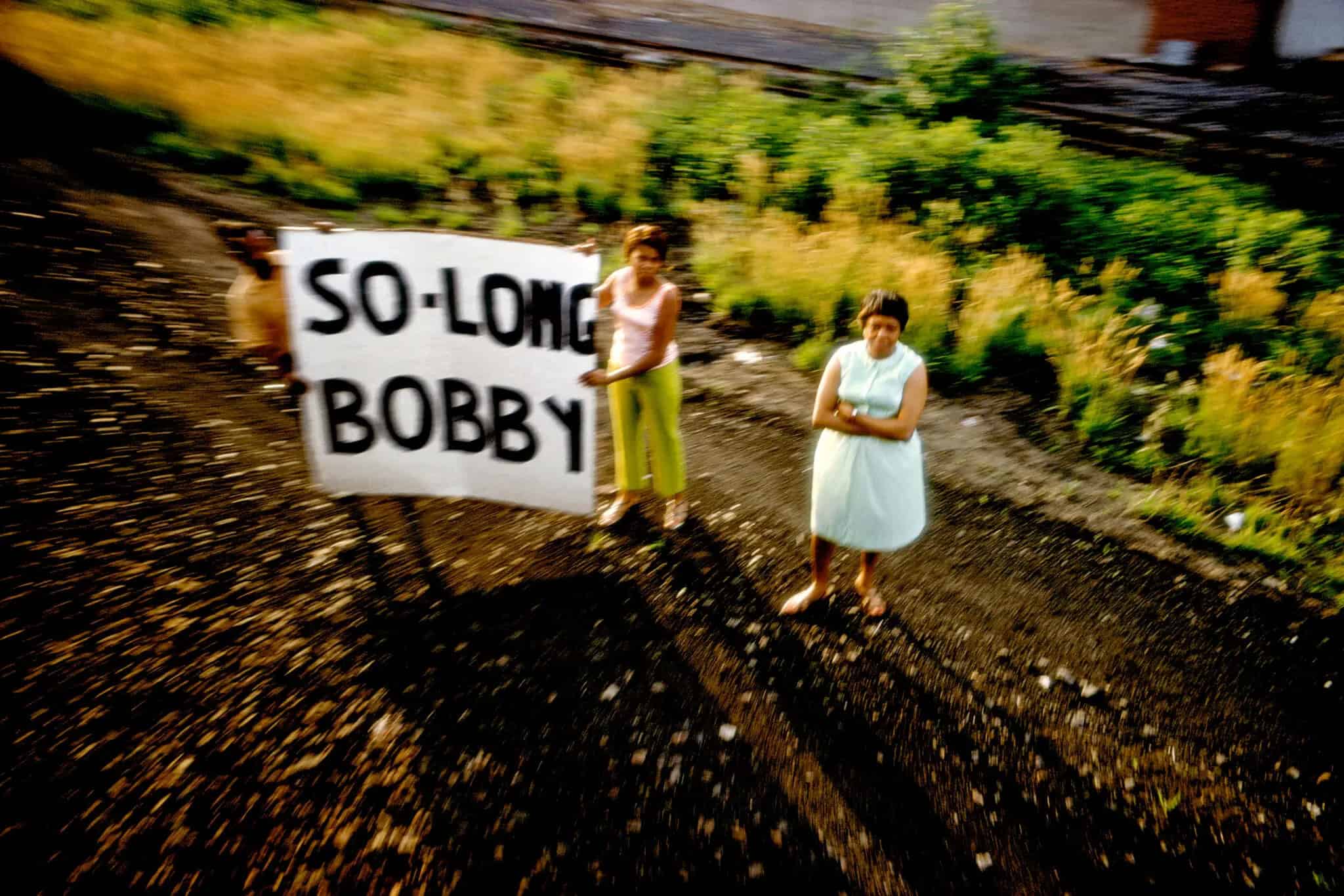
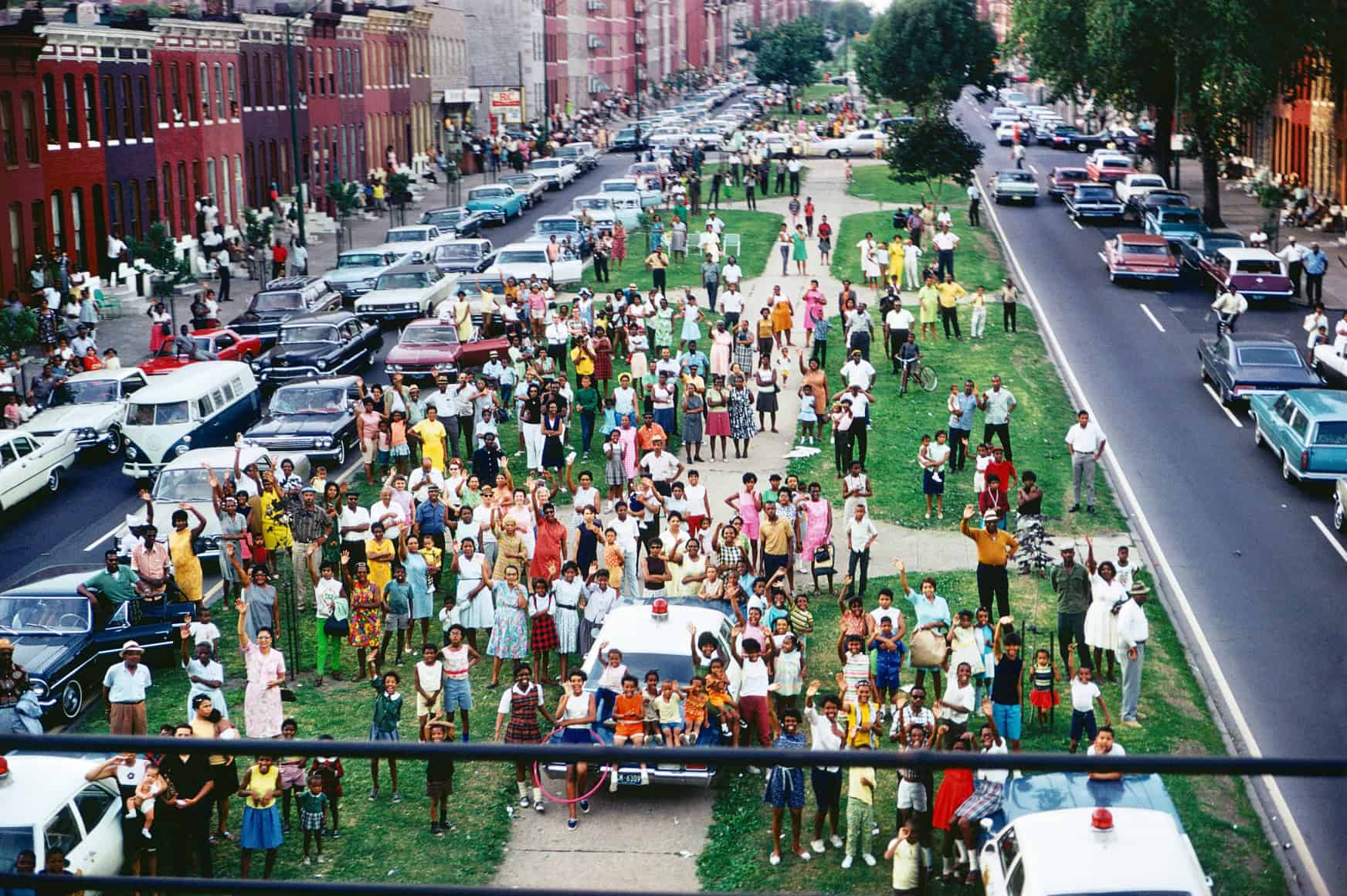
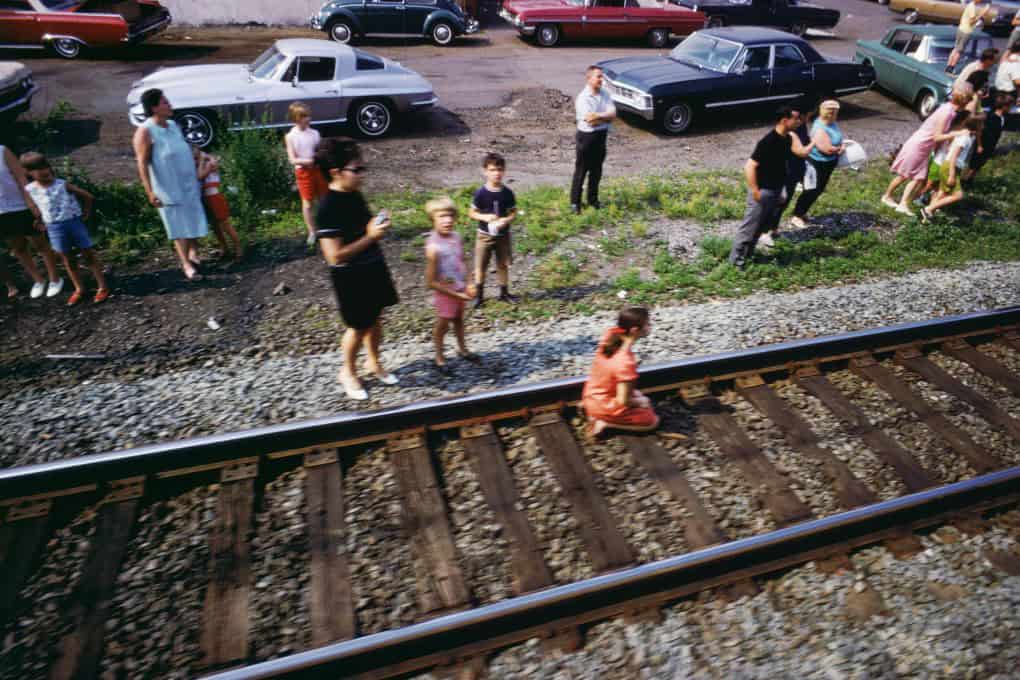
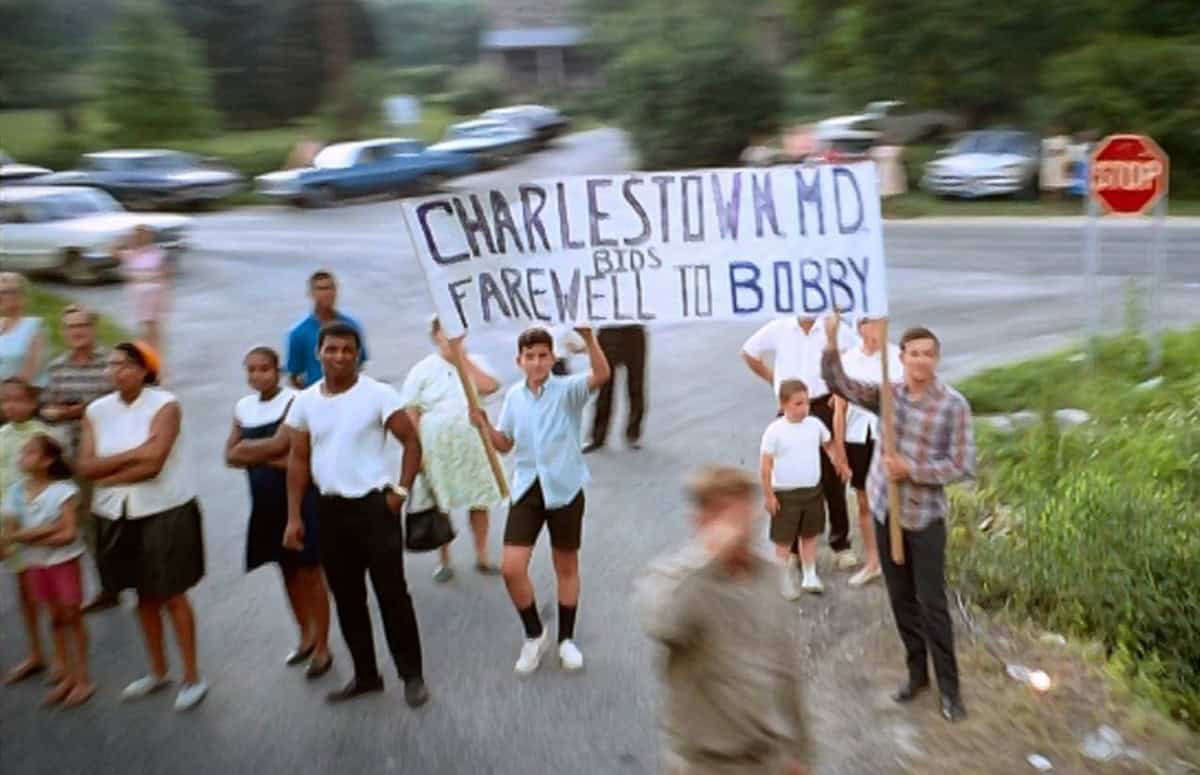
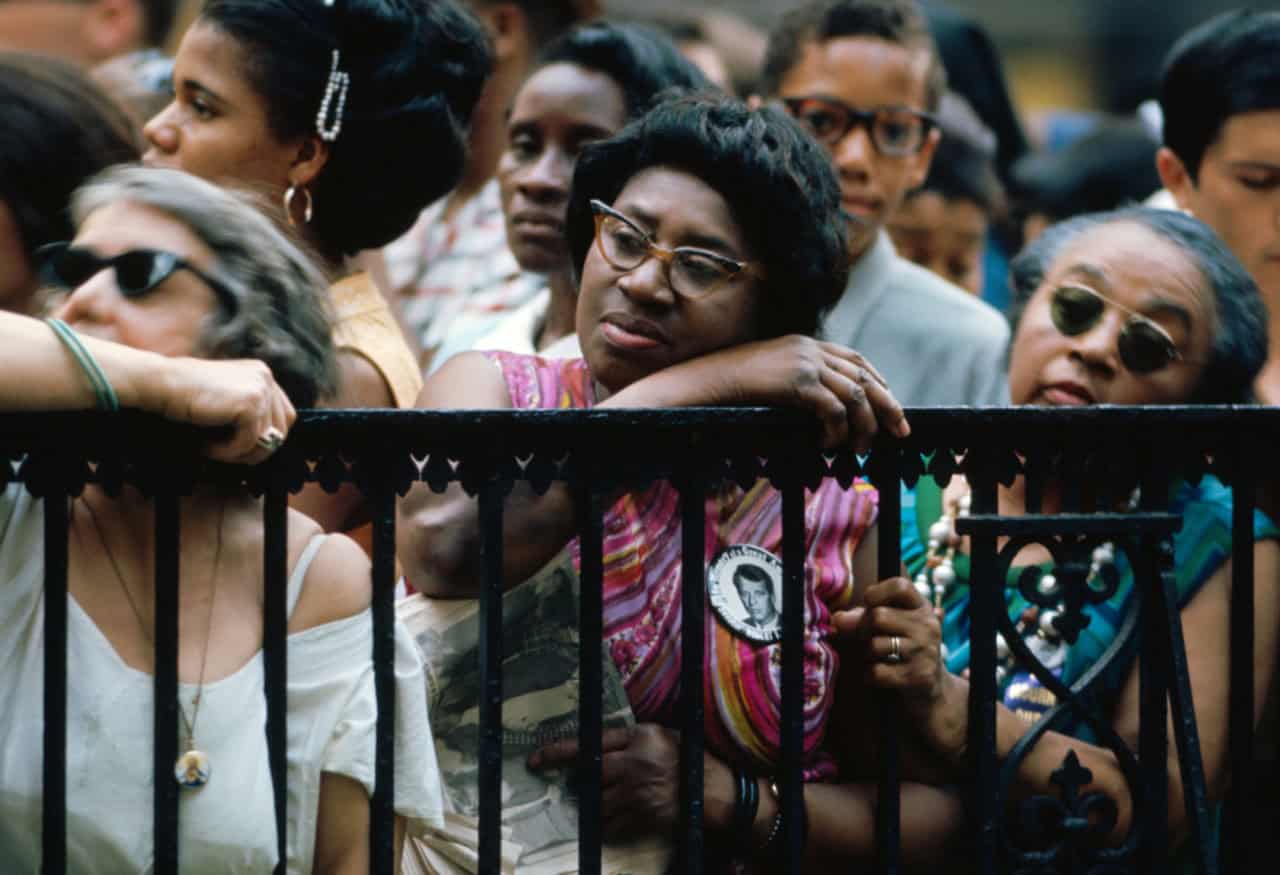
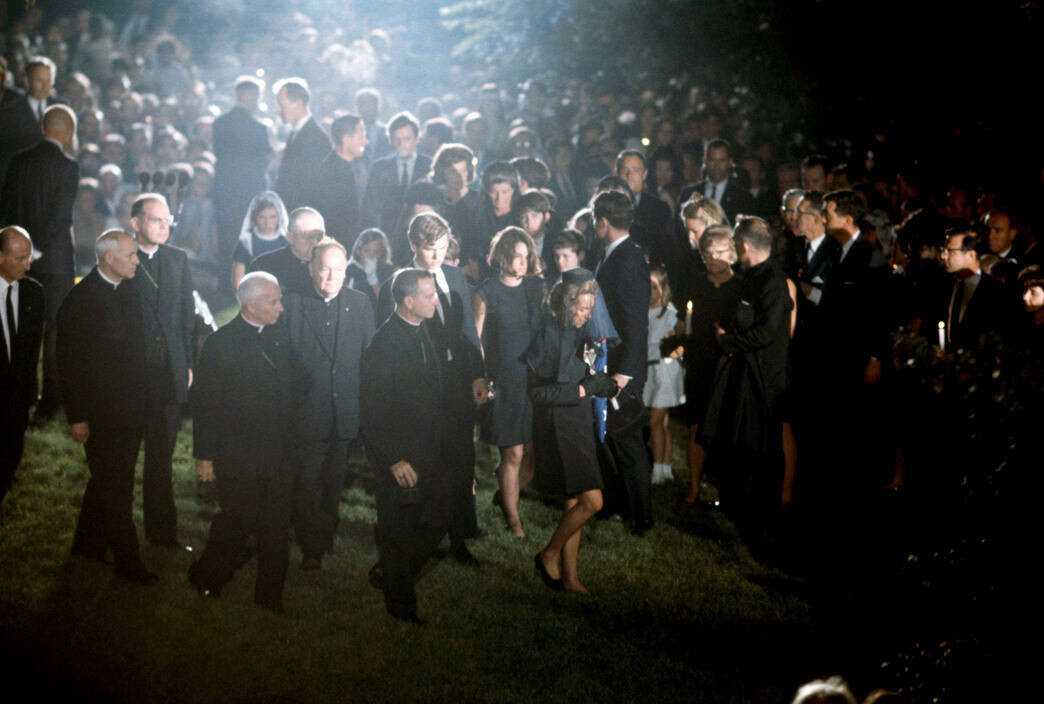
Enters Paul Fusco (1930–2020), a Magnum photographer (and also Matt Black’s mentor – we’ll probably talk about Black, because he’s another “wow” resource for our cycling-photography goals. RFK Funeral train is a political and social reportage, one that before becoming a classical work was neglected for decades in Magnum’s archives. It came about by chance.
It’s also a reportage shot entirely from a train seat, which is another fascinating aspect because, as probably noone ever said,
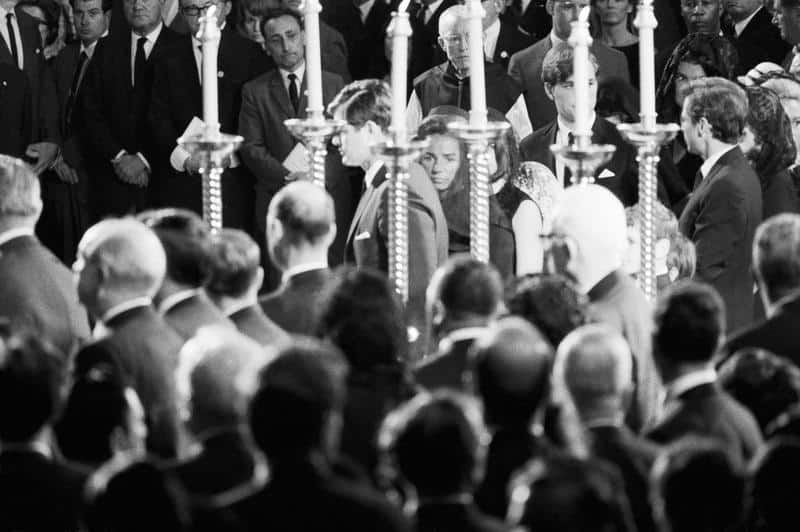
Imagine being in Fusco’s shoes and receiving the same assignment. The immediate thought would be to capture the motorcade, the solemn ceremony, the minimalist symmetry of Arlington Cemetery, and the solemn, impassive faces. That’s the obvious subject of the reportage: the funeral.
But on second thought, that’s not much—or rather, it’s a bit empty. Beyond providing a photo for a newspaper’s front page, such an image doesn’t convey much: it gives the news – the fact – and nothing more.
Similarly, in cycling adventures, focusing on the unexpected, the peripheral, or the moments between moments often leads to the most meaningful and memorable images.
When we think “cycling photography” we immediately think of action, speed, athletism, physical achievement. But the reality is that interesting things emerge from the non-cycling moments.
Right now – July 2026 – I am dotwatching TCR while on holiday, and this picture by Saskia Dugon reminds me why I love shooting ultra: the bike is not even there, yet the story is powerful. Why has this guy stopped? Where is his bike? is he waiting for a mechanic to repair some stuff? Is he waiting for food? Is He thinking of scratching? Where are we? There are visual hints of a balkan-ish language, but nothing sure. Then. of course, the people: did they saw him? Are they going to talk each other, what are they thinking of this smelly cyclist? Is that a bus stop, perhaps?
I’m always on the look for this kind of photographs when I cover ultraraces (incidentally, this is why Checkpoints are also irresistible).
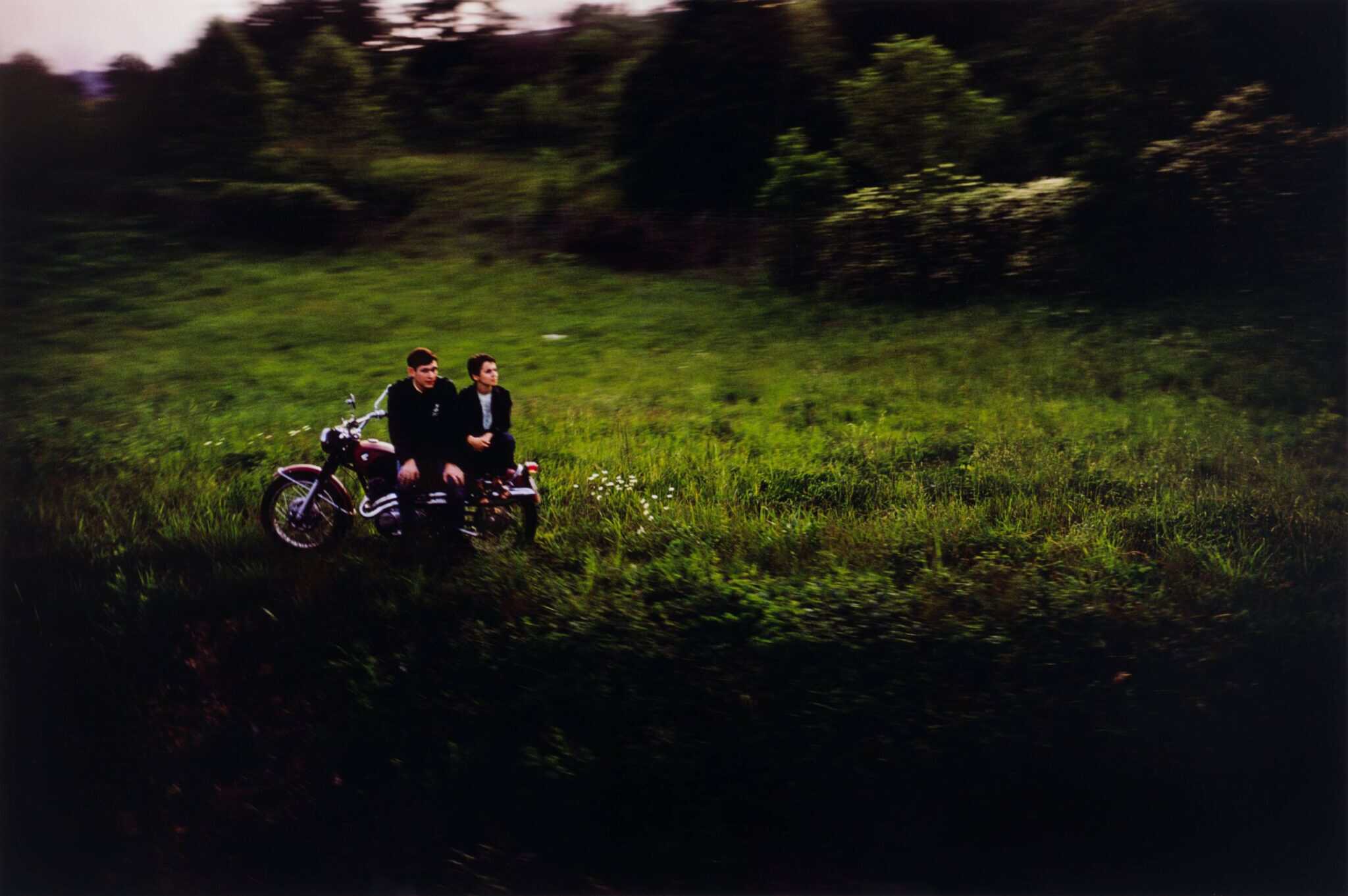
In the Funeral Train photos, there’s a strong formal consistency. Unsurprisingly, given that Fusco’s perspective was as limited as it gets. Sure, he could change lenses, cameras, and settings (of his three cameras, it seems that one was in black and white and two in Kodachrome, though we don’t know the focal lengths). But ultimately, he was on a moving train, and that perspective didn’t change. Quite a big constraint.
Most of the photos are horizontal, adding to their coherence. All are shot from a high vantage point, as the train passed over embankments or elevated tracks through urban centers. This accidental framing also has symbolic value, contributing to the narrative by suggesting reverence and importance from Fusco’s elevated perspective—a fortunate coincidence that reinforces the story.
So, from this constraints Fusco obtained a strong visual homogeneity which further reinforces the narrative.
If the photos were a mix of black-and-white and color, or if the focal lengths varied widely, or the point of view was low then high – our eyes would lose focus. Instead, we are forced to sit still as the train slowly moves from New York to Arlington.
In this linear flow, a few exceptions stand out and give the occasional “different” photograph: for example the tighter shot of an African American woman or the funeral itself.
This coherence and attention to the margins of the story are valuable lessons. They remind us to embrace constraints and look for hidden narratives, whether on a bike trip or in any other storytelling endeavor. By doing so, we can create stories that resonate far beyond the immediate moment.
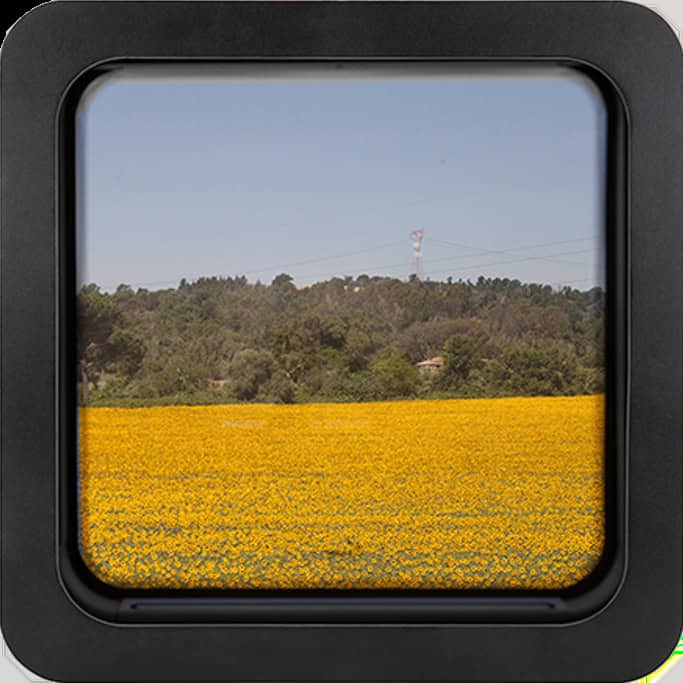
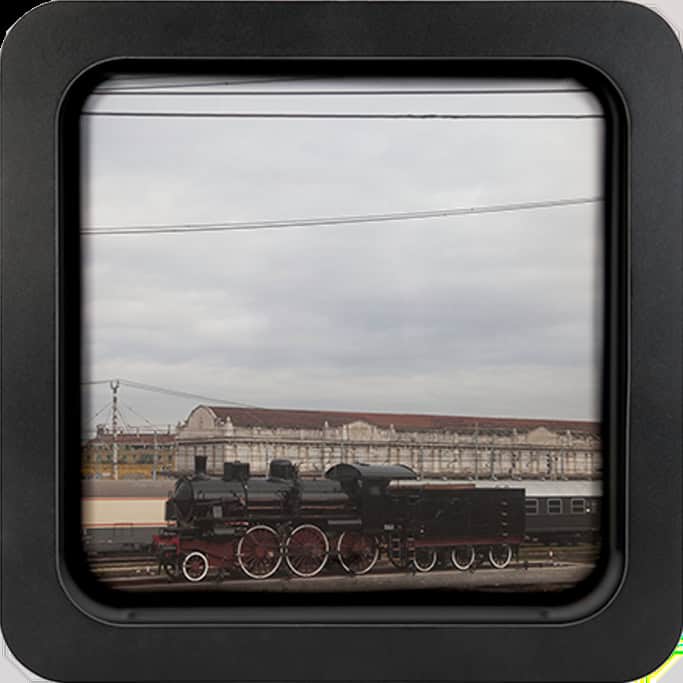
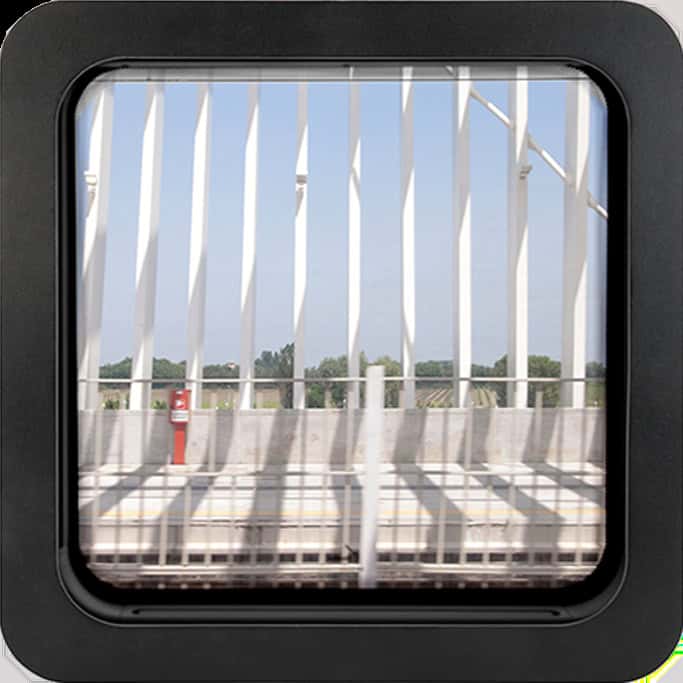
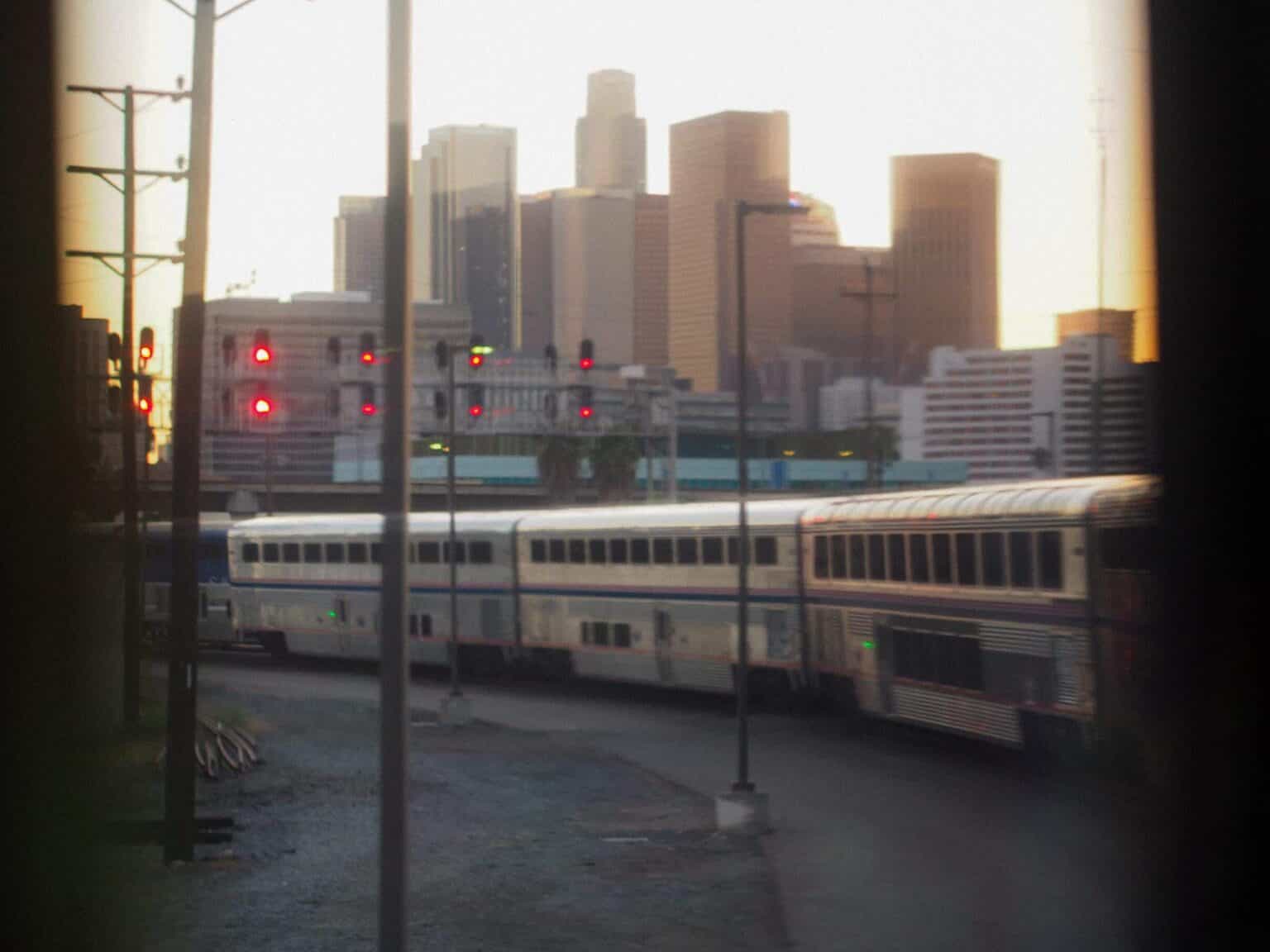
Fusco’s use of constraints has inspired many other photographers. For example, Jacopo Di Cera’s MI-RO project uses a similar theme of a train journey, with an added element of formal consistency: each photo is framed to mimic the square windows of a train. This device enhances the coherence of the project, turning a simple aesthetic choice into a storytelling tool.
After discussing Roy DeCarava and his unique narrative style, we continue gathering reflections on other authors and projects that inspire storytelling about bicycles and travel.
The idea that “every crisis holds an opportunity” or “when life gives you lemon, make lemonade” applies here. Constraints, like being stuck on a bike route or unable to deviate from a path, can spark creativity.
For example, while cycling, you could limit yourself to taking only frontal photos of the road ahead. Such a constraint might result in unexpected and compelling moments: animals crossing, abandoned objects, or serendipitous encounters. Planning ahead can make this even more effective, as the narrative gains coherence when guided by the limits we define on purpose.
Even if you’re traveling with a disposable camera, unable to adjust settings, you can embrace that constraint and use it as part of your visual narrative. That is the case for example with the smartphone, which usually has poor handling: better use it in auto, and look for different creative solutions.
Luck plays a bigger role in storytelling than we often admit. Fusco’s constraints—such as the slow-moving train, the diverse and often rural crowd, and the changing light—happened to align perfectly with his narrative. The setting sun added a natural crescendo to his visual story, culminating in blurred, poignant images that captured the emotion of the moment.
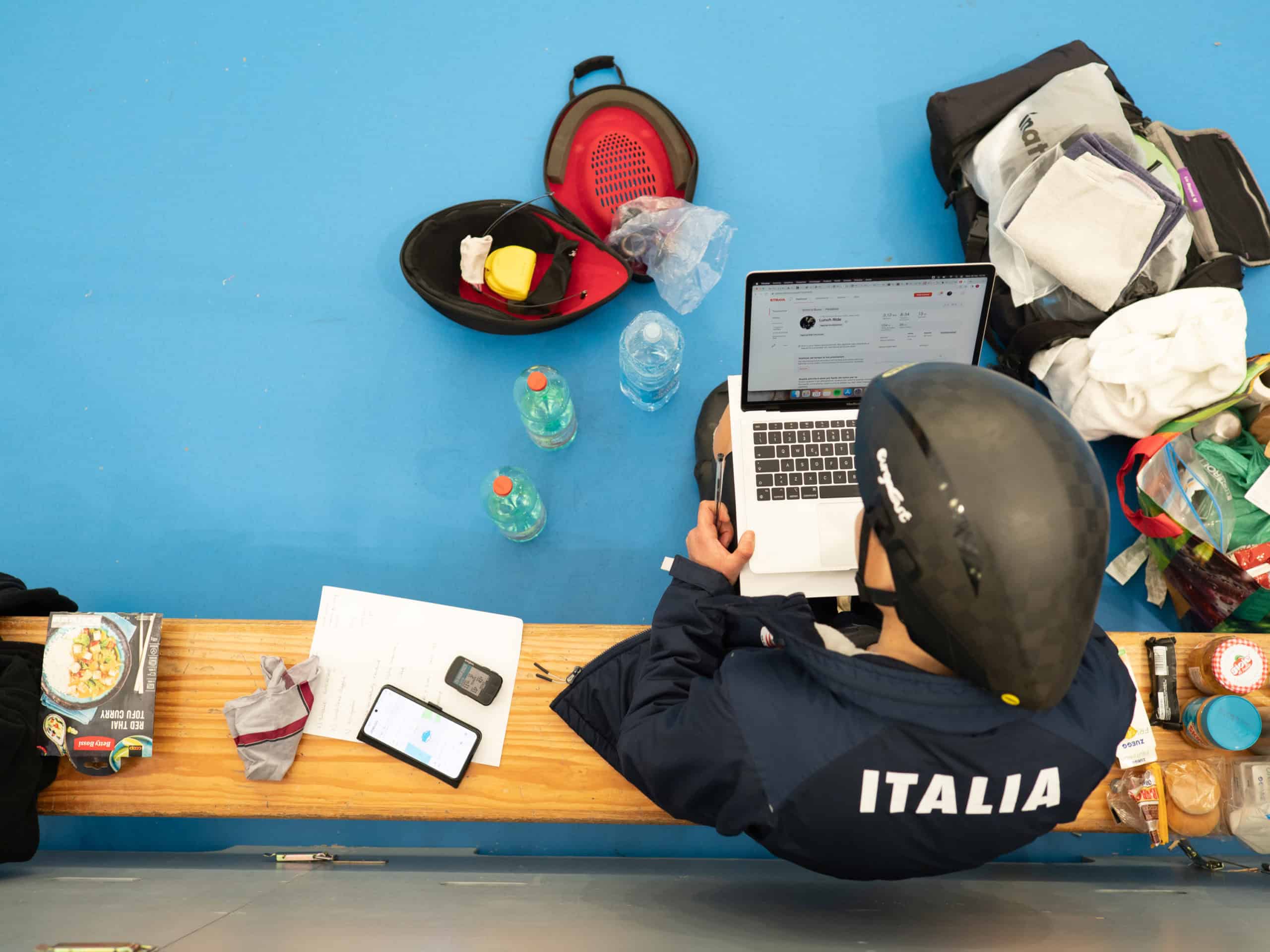
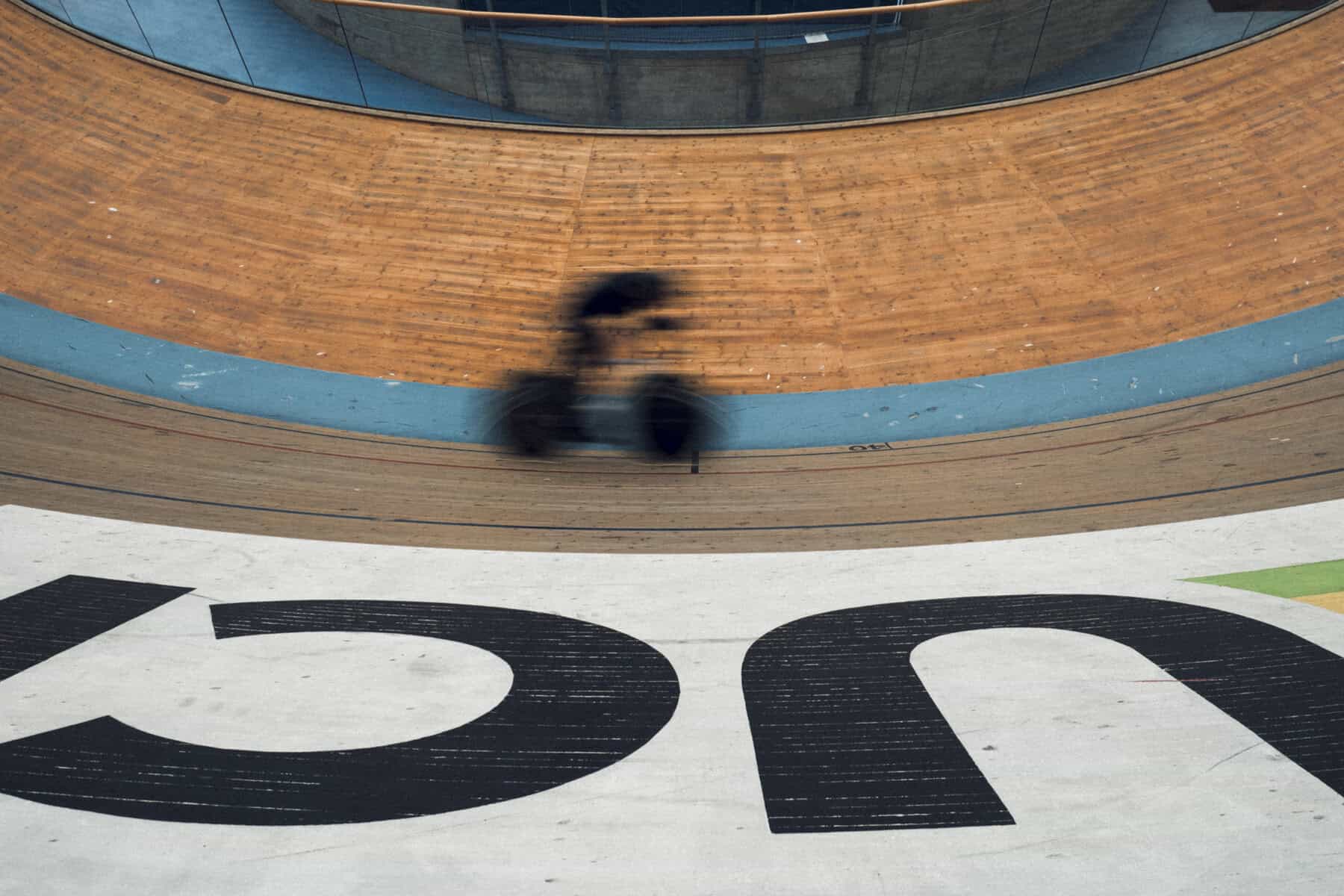
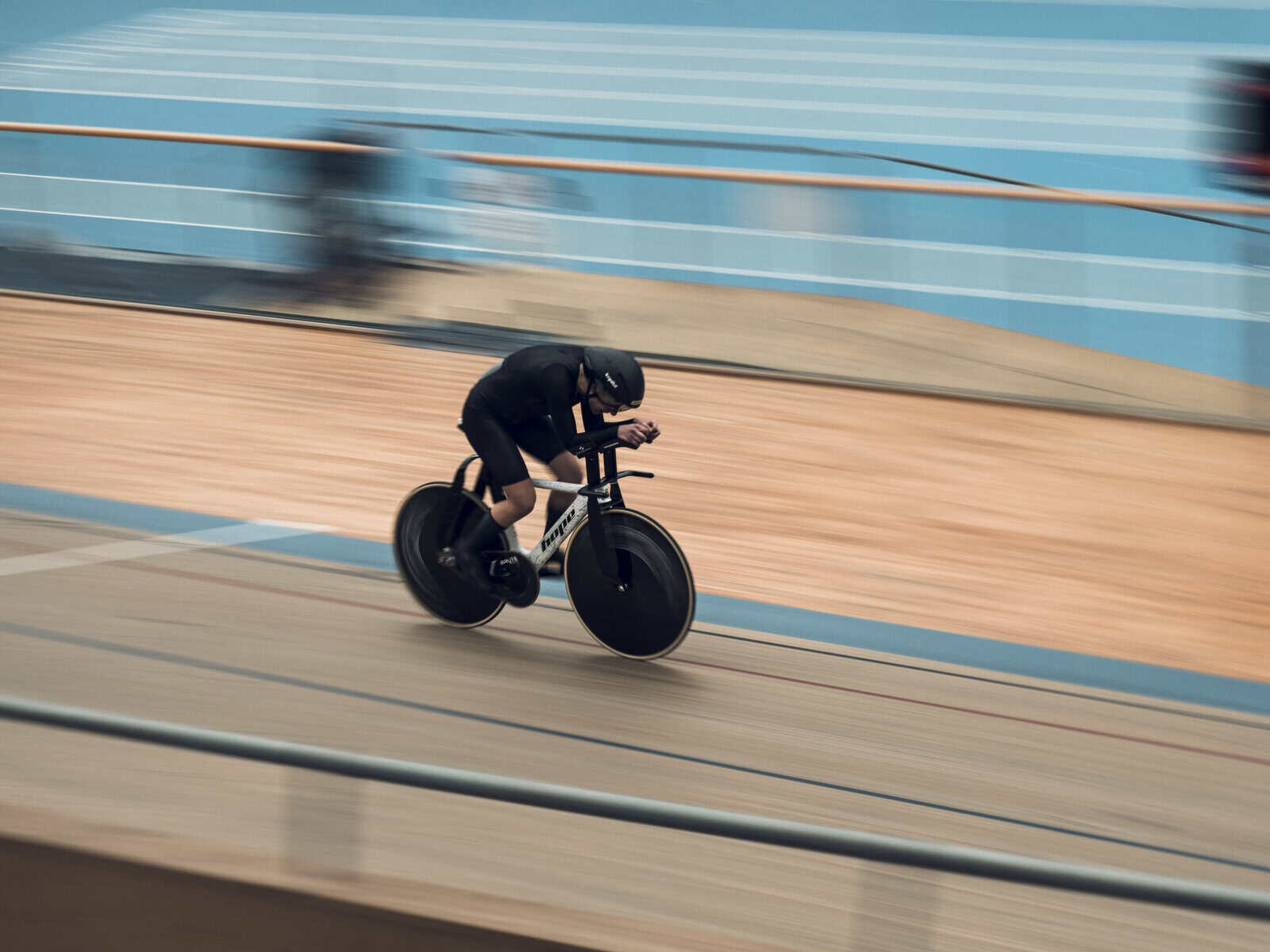
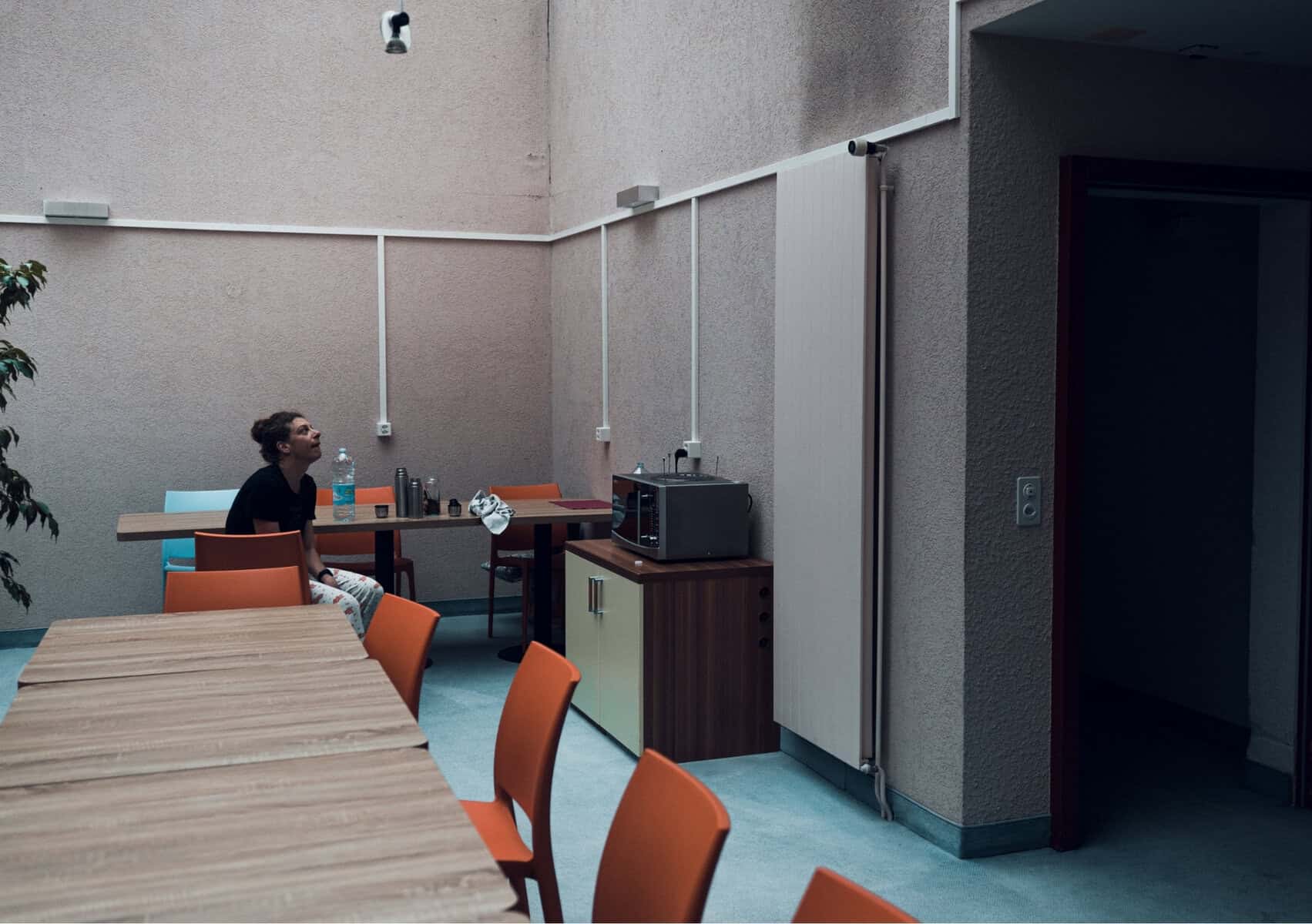
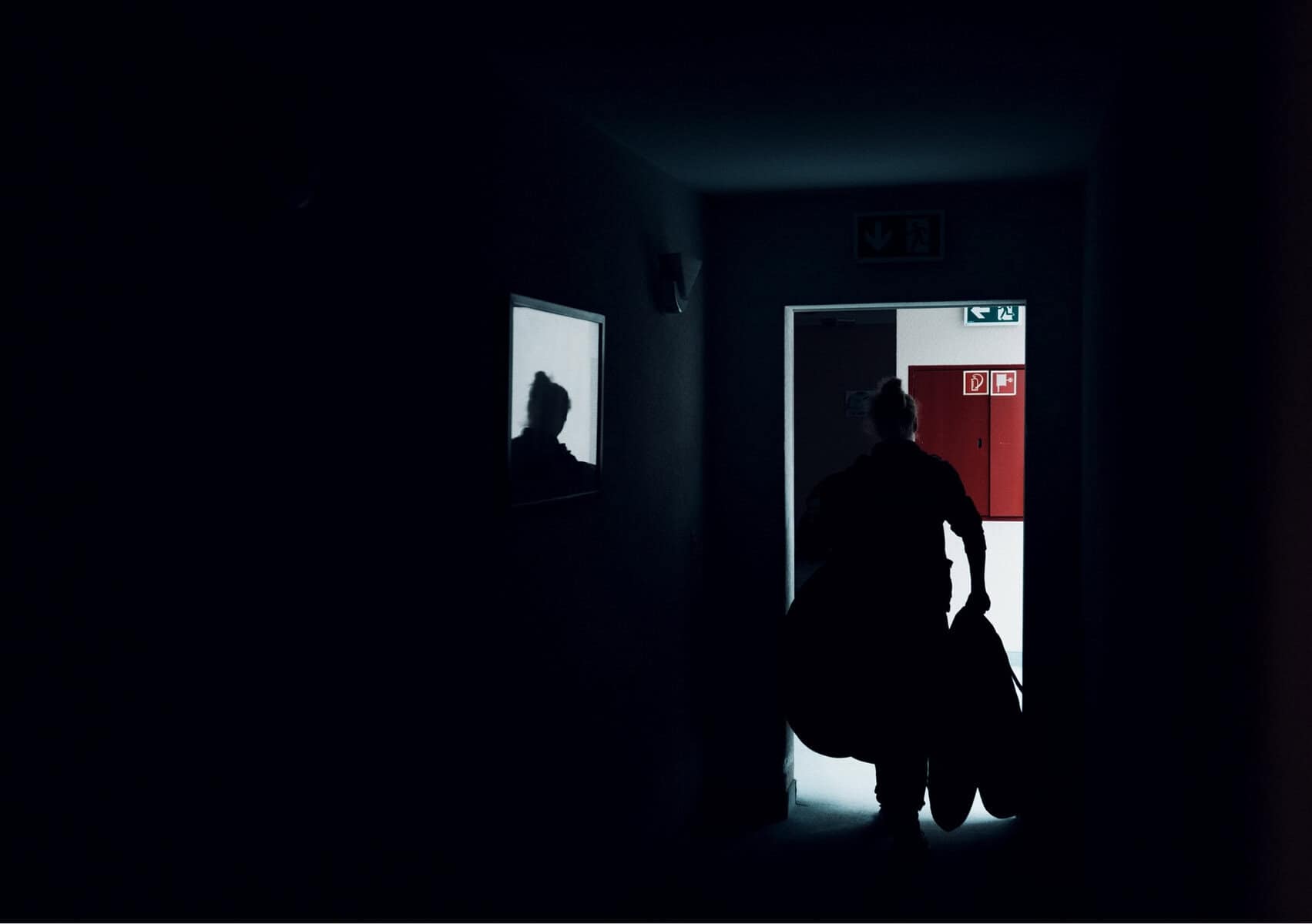
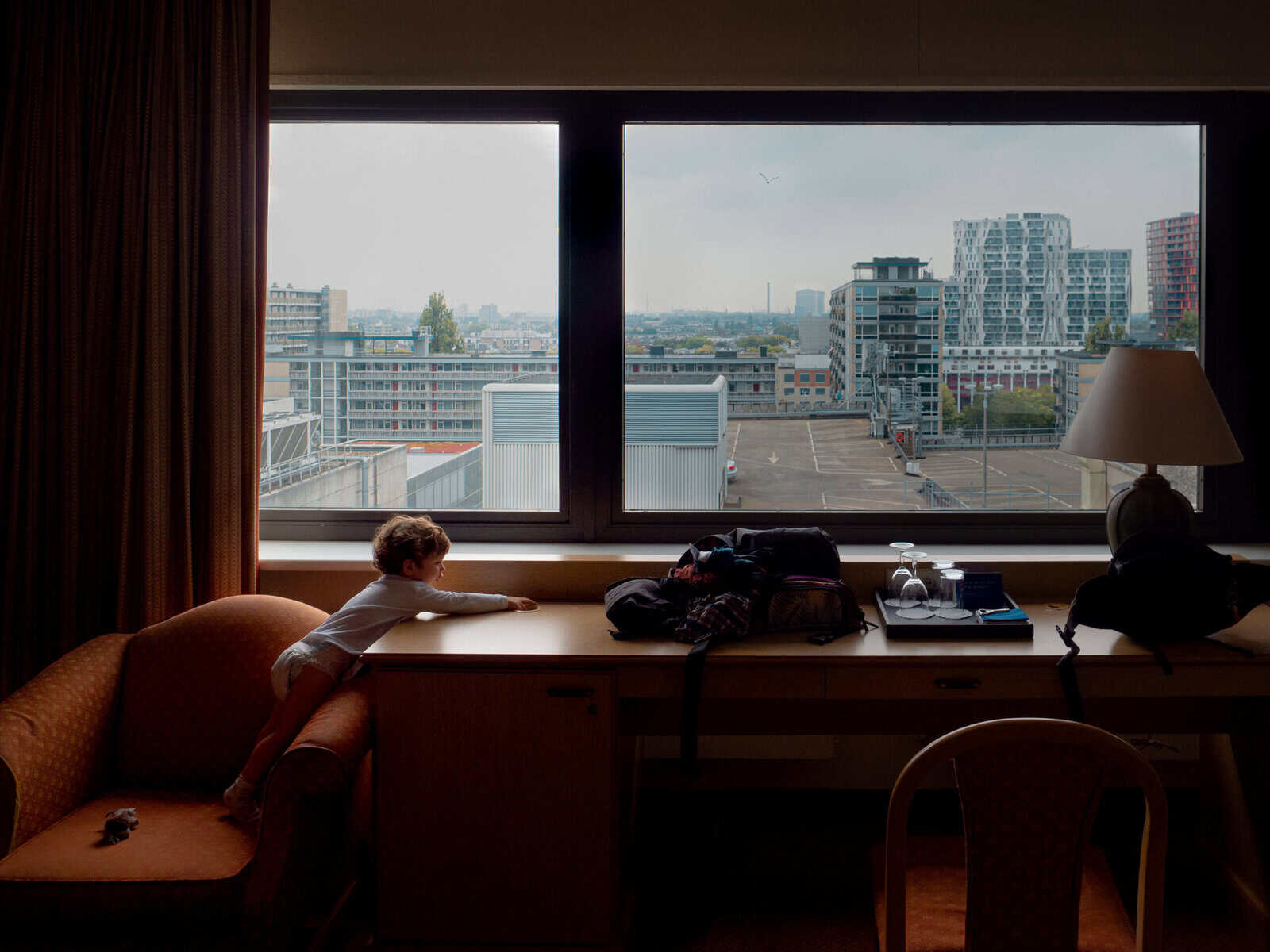
Sometimes, we are lucky too. For example, it occurred to me during a reportage of Vittoria Bussi’s training at the Aigle velodrome, in Switzerland. The track featured a striking brown-and-blue color scheme, with the golden hues of the wood contrasted by the blue furnishings. Coincidentally, the hotel also had a light blue palette, although with reddish furniture and details: this provided a seamless visual continuity. This unplanned harmony of colors became a subtle yet powerful narrative device.
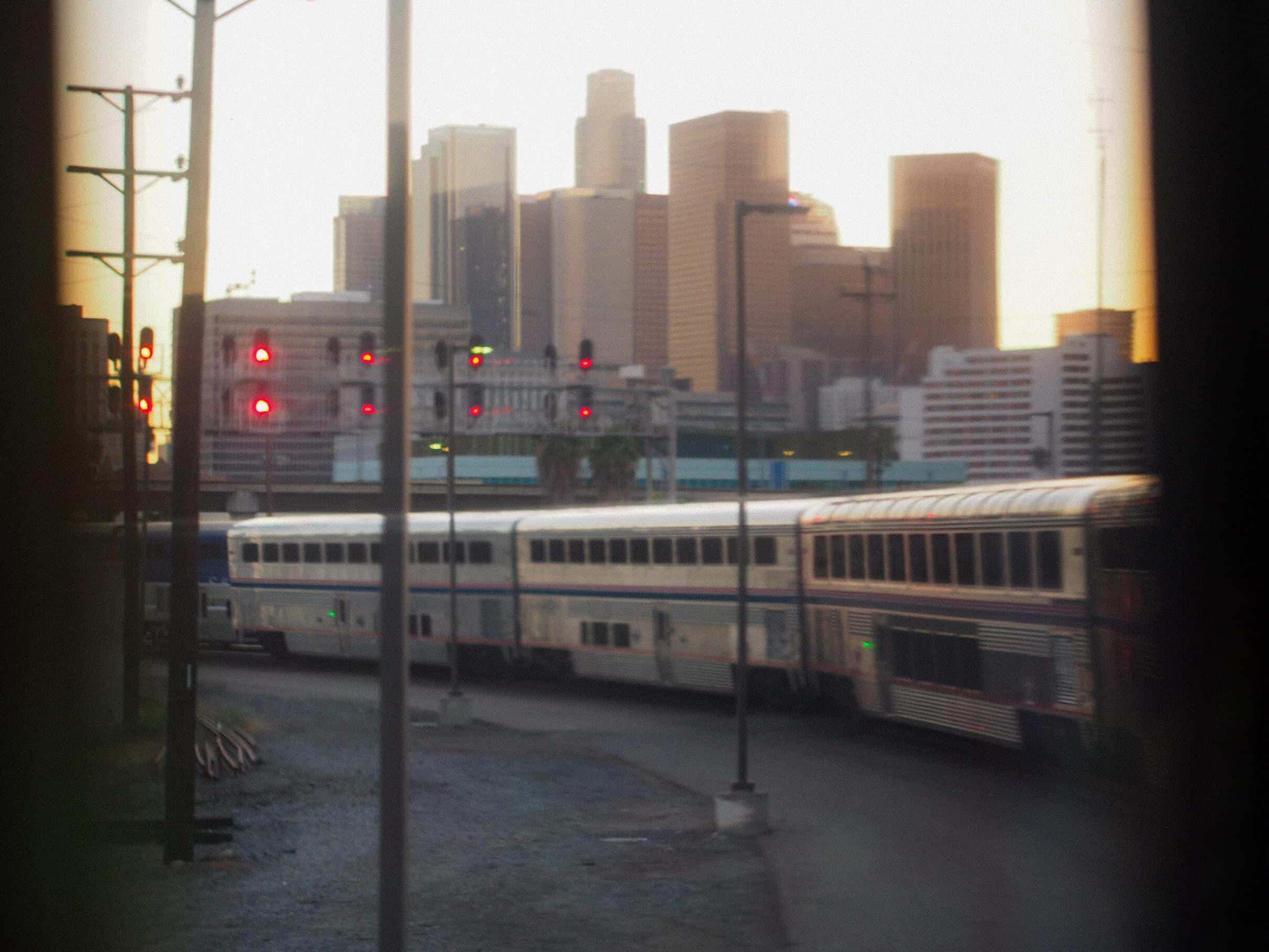
Trains play a special role with cyclists —they’re not only practical companions and tools, but also fascinating settings for storytelling. Trains provide a unique backdrop and a unique blend of structure and unpredictability. They follow a predetermined path, yet the journey is filled with surprises: shifting light conditions, fleeting glimpses of remote places, and unguarded moments among passengers. For cyclists, trains also represent a transition—a bridge between the freedom of the road and the comfort of home, or a way to access distant adventures. They are the famous “in-between moments” where interesting things happen. They aren’t just a means of transportation but a canvas for stories, a real treasure trove of potential inspiration.
For me (as for many, I am sure) photographing trains has become a ritual, marking the start or end of a photographic journey.
Where to find interesting stories? Quick answer: where things and people are on the move.
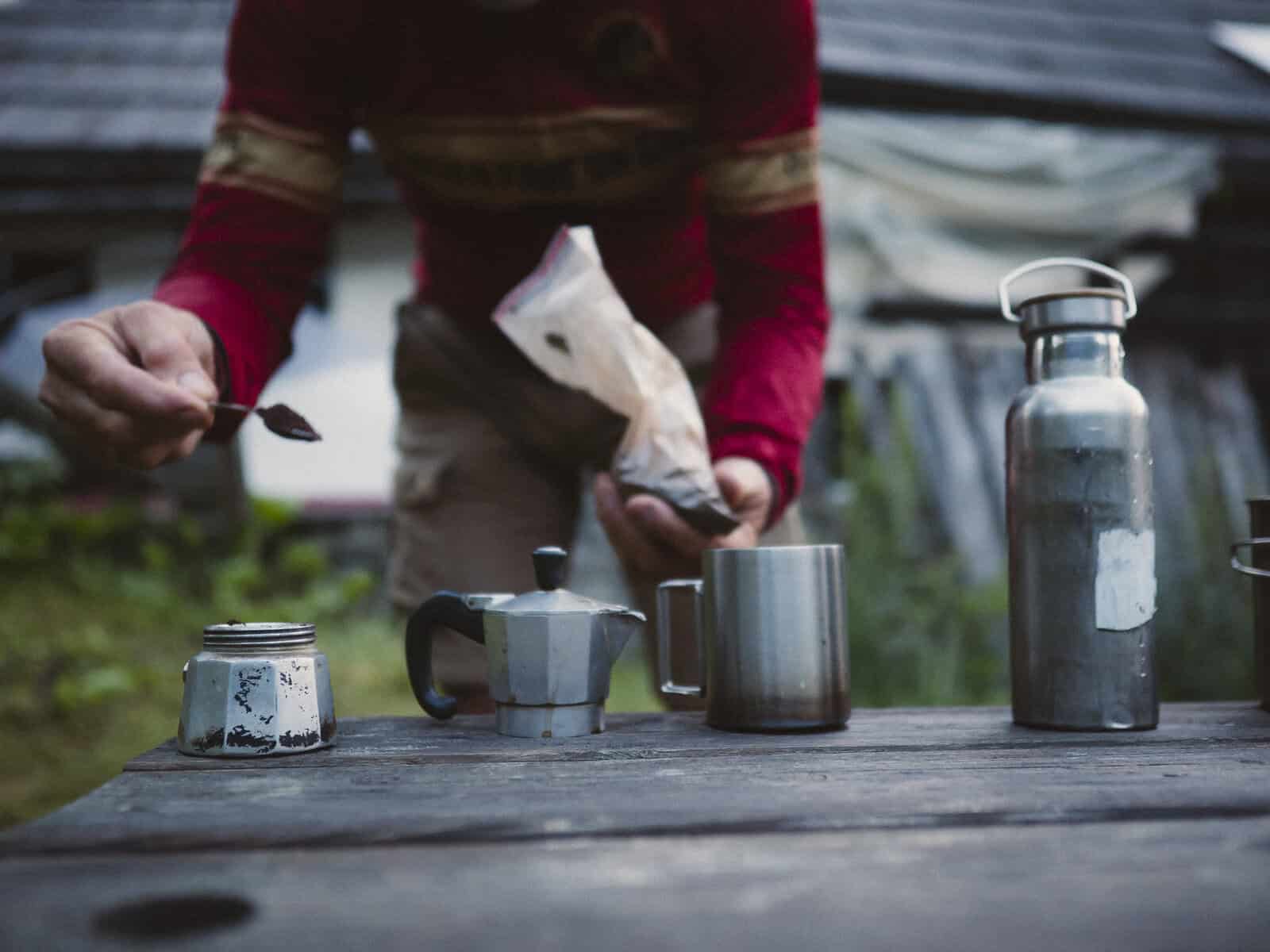
A 400km, 14.000mt offroad bikepacking route. Why did we think that was a good thing?
The italian saying is "fare di necessità virtù": a classic reportage and what it can teach us about cycling photography