
Industry: a quick detour
Where to find interesting stories? Quick answer: where things and people are on the move.
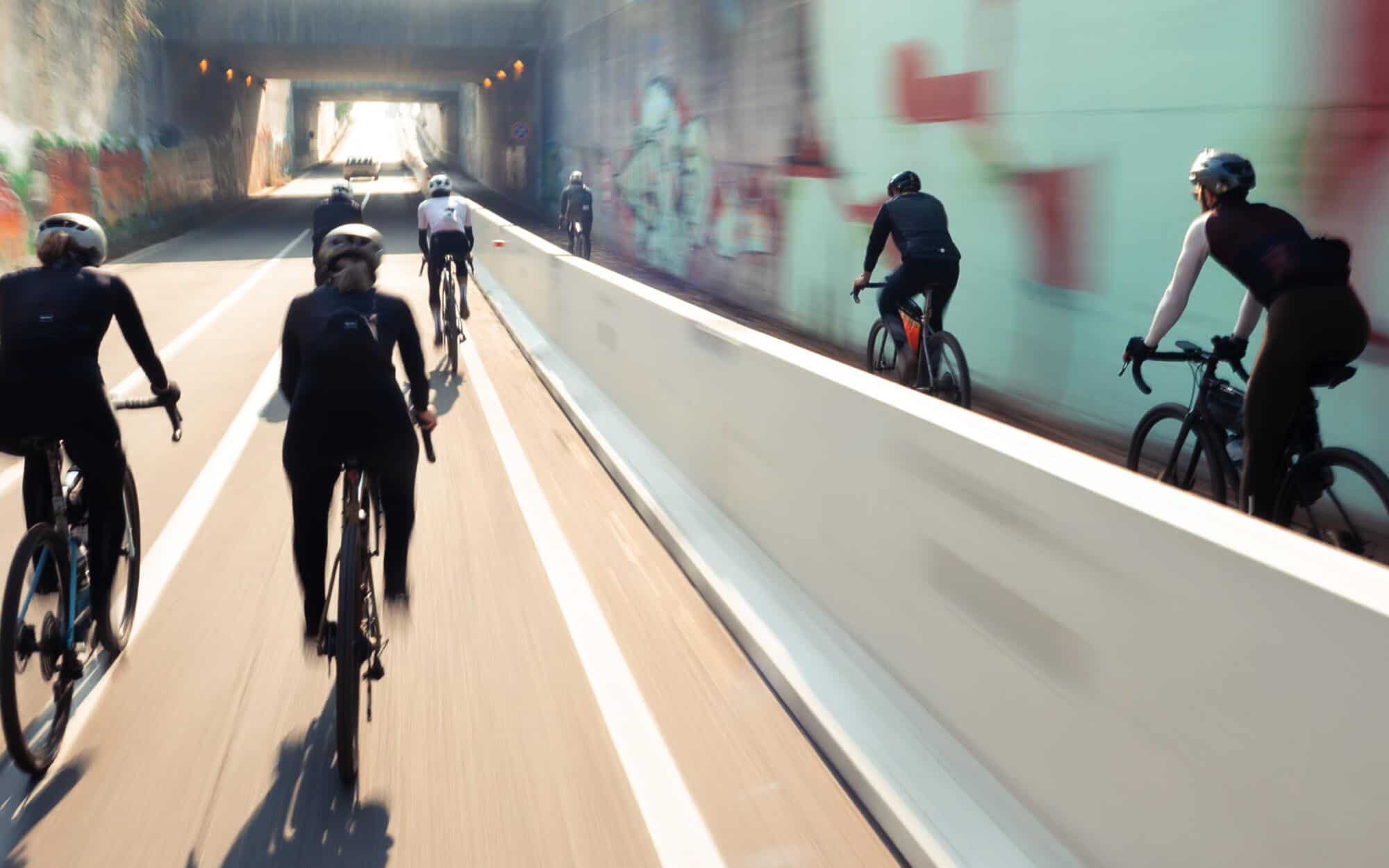
“Lonely Planet guides are extremely useful for planning. Above all for figuring out where not to go,” a dear friend of mine, an experienced traveller, once told me.
I’d say he knows a thing or two. When flipping through a guidebook or browsing the internet to get a sense of what to expect from a place, we pay a lot of attention to what’s there, and we overlook what isn’t — which, sometimes, matters just as much: behind every chosen and described destination, there are some, perhaps many, that were ruled out after careful consideration.
This applies to photographic location scouting as well, an important part of pre-production for an event. It can be a real or virtual scout, but the principle is the same.
The role of the scouting work is decidedly important — though not for the most obvious reasons.
To study a route thoroughly and get as precise an idea as possible of what’s waiting for me, I use a mix of tools:
One highlight at a time, I build a map with all the spots that are relevant for some reason. It’s a long process, but it almost always pays off.
However, much like the Lonely Planet guides according to my friend Edi, the information gathered through this research is more useful for what it doesn’t show. Let me explain.
Indeed, scouting has a rather obvious positive role: identifying possible interesting locations for equally interesting photos. Majestic landscapes, ridge roads, passages through forests or historic buildings, industrial areas, and so on. Endless possibilities that gradually take shape.
If that were the only purpose, however, spending hours combing the internet for spots would be an immense amount of work for an ultimately modest result.
First, because when the route crosses a mountain dam or runs through a redwood forest,you don’t really need scouting to understand that the location might be cool to shoot.
Second, because the locations identified this way define one important piece of data (“interesting/not interesting”), but it needs to be placed within a more complex picture. This information must then be integrated with all the other variables: the light, the weather, the season, how old the Google scan is, and — most importantly — the key question: will there be any participants in the area when we get there?
When you cross-reference all these parameters, only a small fraction of the highlights will actually be useful at the right moment. Of the dozens or hundreds of highlights, 90% of those dots remain exactly that: a simple dot on Google Earth, which might perhaps come in handy for some future project.
The explorer knows very well, before leaving, that he will not blindly follow the planned itinerary. However, if he didn't have one, he would risk to wander eternally without a destination
Marc Block, Apologie de l'histoire
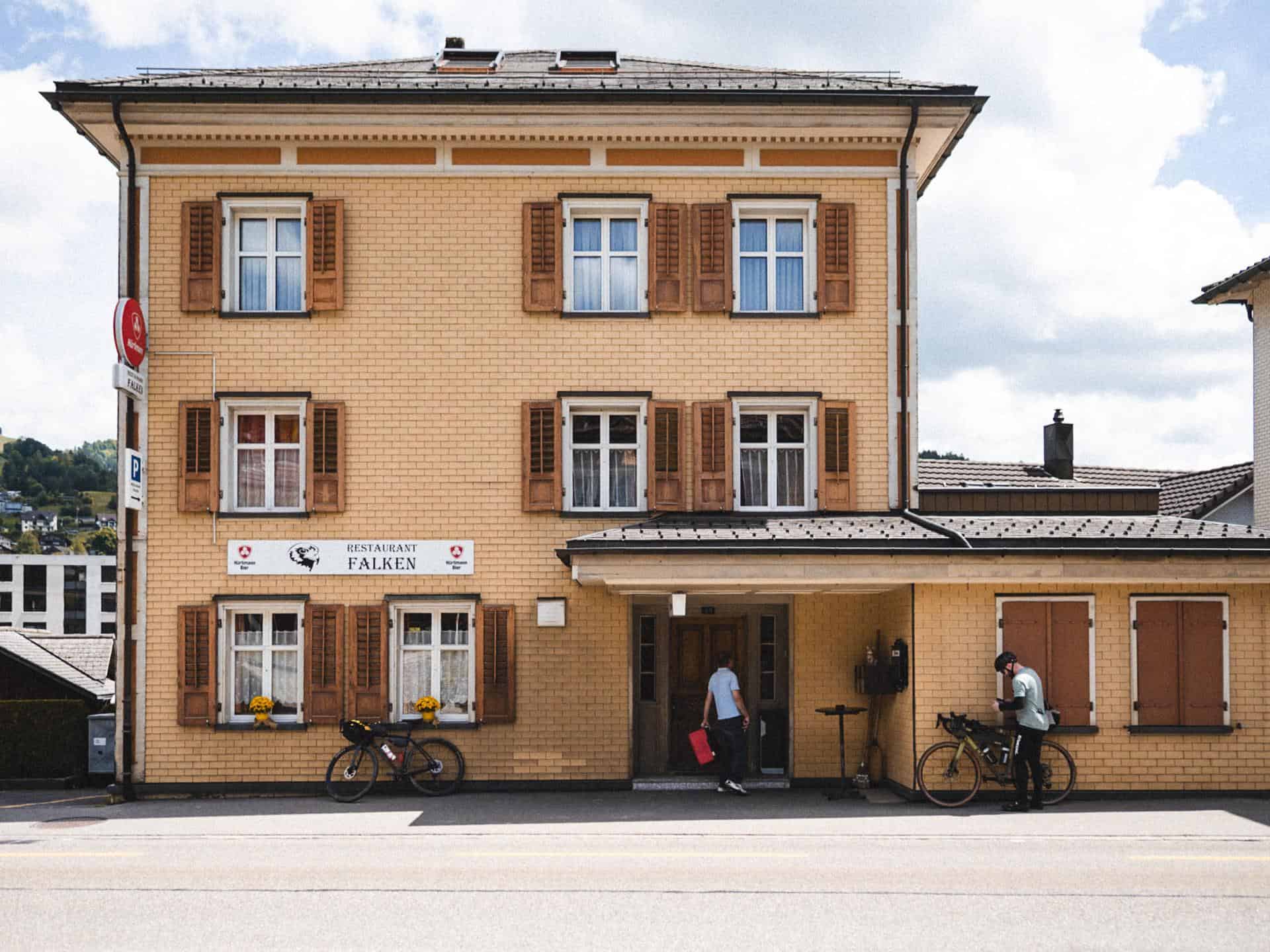
The experienced Edi created "the Sharing Van", rental service aimed at cycletourists
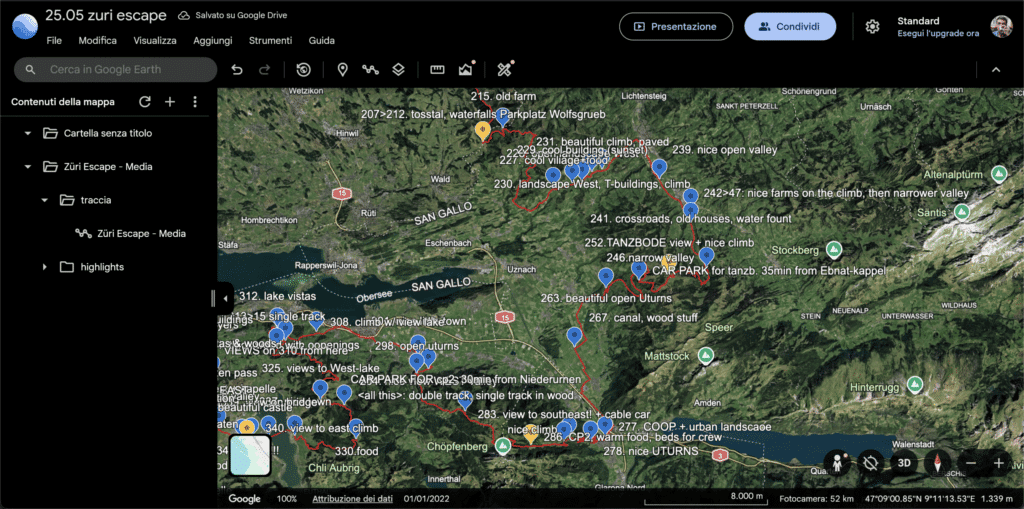
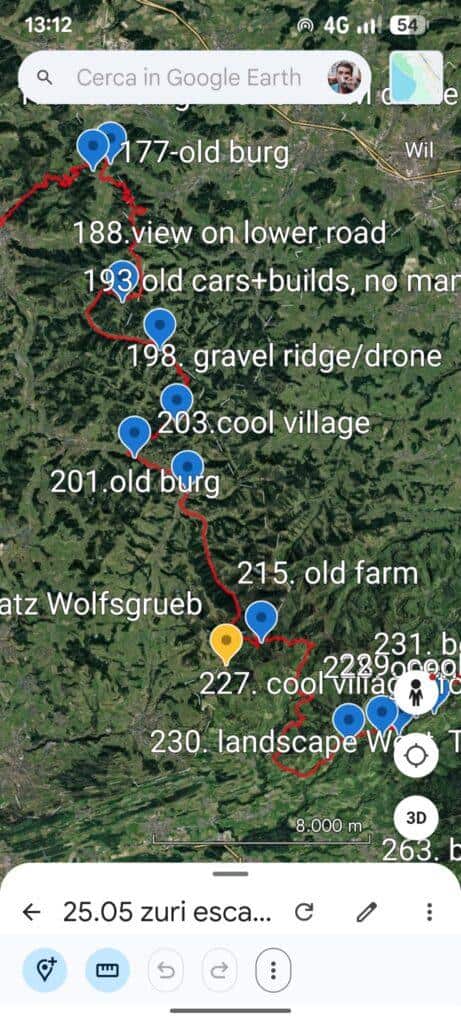
If this work isn’t a waste of time and effort, it’s because its true purpose is a negative one. Travelling those roads and paths — even if only virtually — allows you to become familiar with the whole landscape. You know what to expect. And so, in a sense, when you actually arrive at that location, you’re not distracted by the beauty of the place.
You’re not swept away by the beauty of the surroundings, and you might even get a little bored. Which is good, for photos.
This might seem counterintuitive, so to shed some light on it, let’s ask Plato for a little help.
In the dialogue Phaedo, Socrates recounts how he followed the teachings of Anaxagoras, from whom he had learned about the structure of nature. He listened to his teacher and absorbed his words in wonder, enchanted by his wisdom:
When I was young, I was seized by an extraordinary interest in that science they call the study of nature; [...] Once, I heard someone reading from a book that was, he said, by Anaxagoras; and claiming that there is an intelligence (nous) that orders everything and is the cause of everything — I rejoiced at this cause; [...] I rejoiced thinking I had found in Anaxagoras a teacher of reality according to intelligence, who would have revealed to me, first of all, whether the earth is flat or round, and once he had revealed that, I thought he would make me understand the cause and the necessity of this, telling me what is best, and that what is best for it is to be as it is. And if he had explained all this to me, I was ready to desire no other kind of cause. — Plato, Phaedo
Plato, Phaedo
The young Socrates is captivated, and passively absorbs all of Anaxagoras’s wisdom.
But then he picks up a book and realises that Anaxagoras’s words don’t correspond to the truth. He begins to study on his own, drawing on other texts, thoroughly, with effort, with patience. The knowledge acquired this way is far slower and infinitely less thrilling — but also much deeper, and therefore more satisfying.
This is the famous story of the “second navigation”: in ancient Greece, the first navitagion is the one made carried by the wind, without much effort, almost passively. The second one, by contrast, is the one that requires the strength of one’s arms — when the sea is calm, you take to the oars. A tiring and far more active journey, and for that reason more deeply “felt.
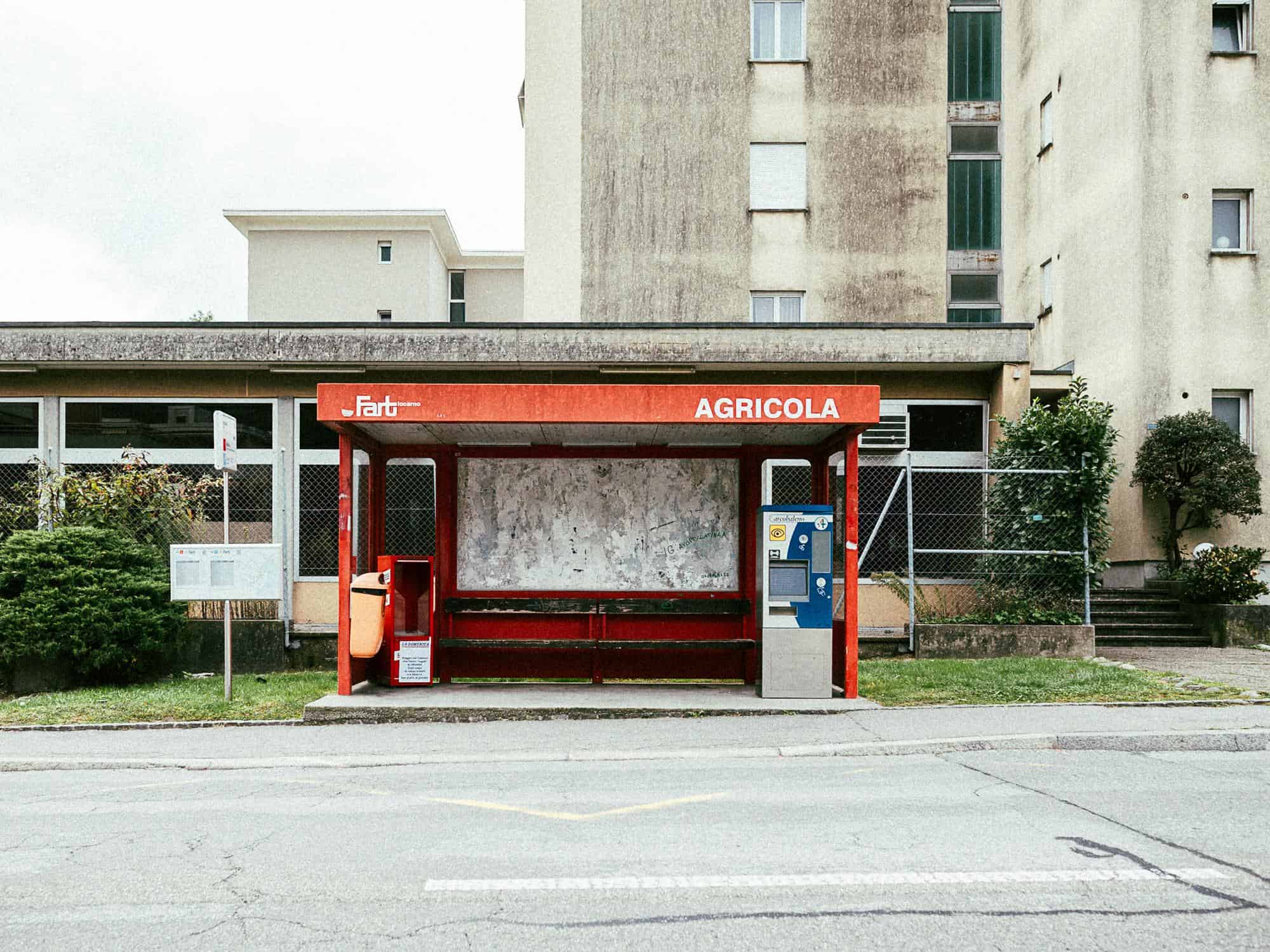
In plain terms: when we’re in an unfamiliar place, we let ourselves be amazed by everything — we are passive spectators. Every time we step outside our daily routine, even bus stops, even meadows seem more beautiful than our own. It’s the allure of the exotic.
The same happens when we photograph, and Valerio Bispuri explains it beautifully, speaking explicitly of boredom:
"There's a phrase I always repeat to my students," Bispuri says: "Start photographing when you're getting bored. It's clearly a paradox, an exaggeration, but not entirely — because when you reach a point of saturation, the mind enacts a kind of defence, and the vision of the place and the characters of the story takes on other forms. You notice details that hadn't been noticed before, facial expressions that suddenly transform. It's not magic, just a different kind of attention to reality. Everything that is new sparks interest, releases adrenaline, arouses curiosity; but at the same time it stays on the surface of knowledge, and in the shot, at the aesthetics of the moment. On photographic journeys this aspect multiplies: all it takes is moving away from where we live to become shooting machines. Anything seems interesting — even people waiting at a bus stop, or an old woman doing her shopping, or the landscape."
Valerio Bispuri, Raccontare con gli occhi, Ponte Alle Grazie, 2024 Valerio Bispuri
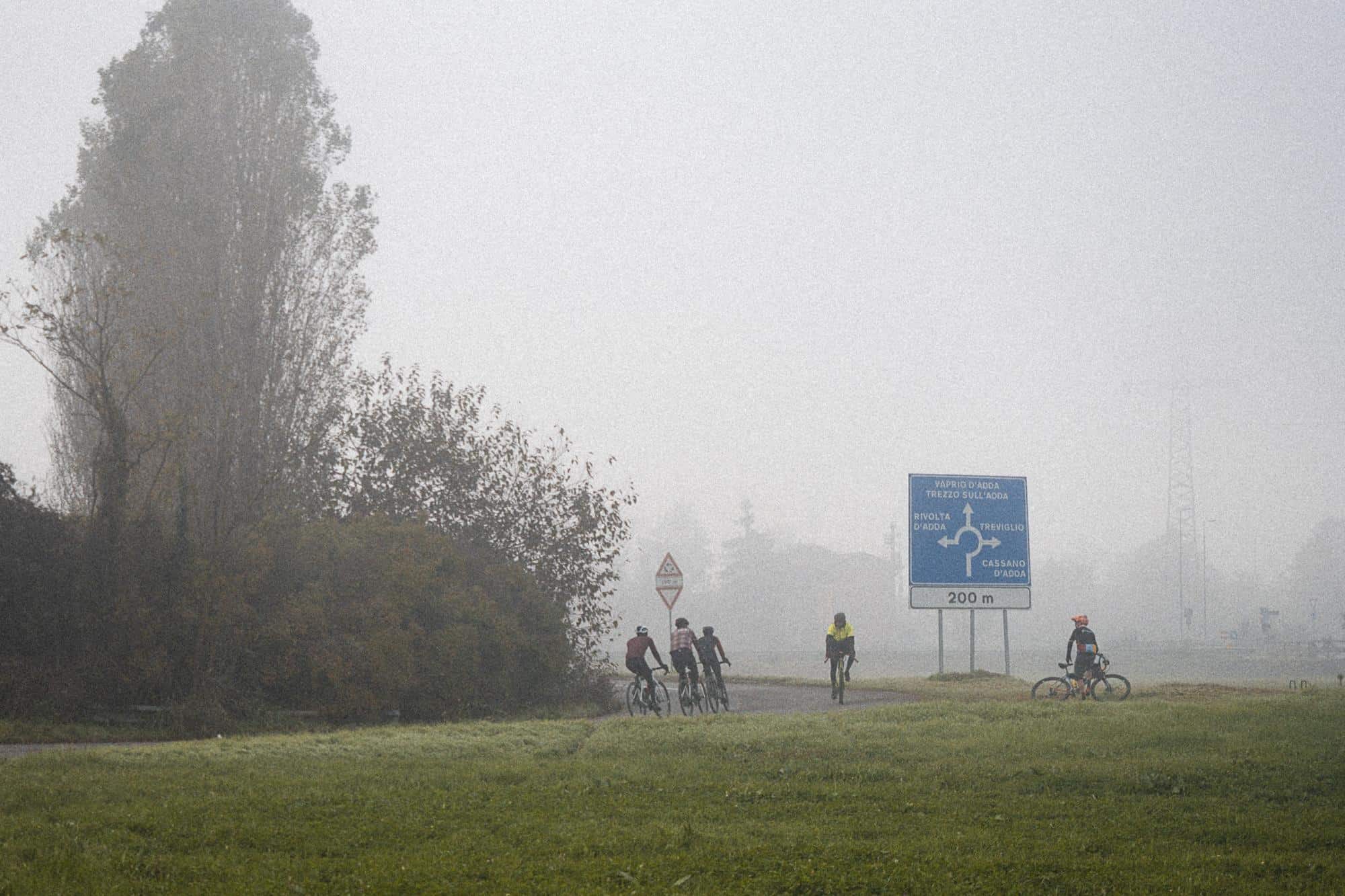
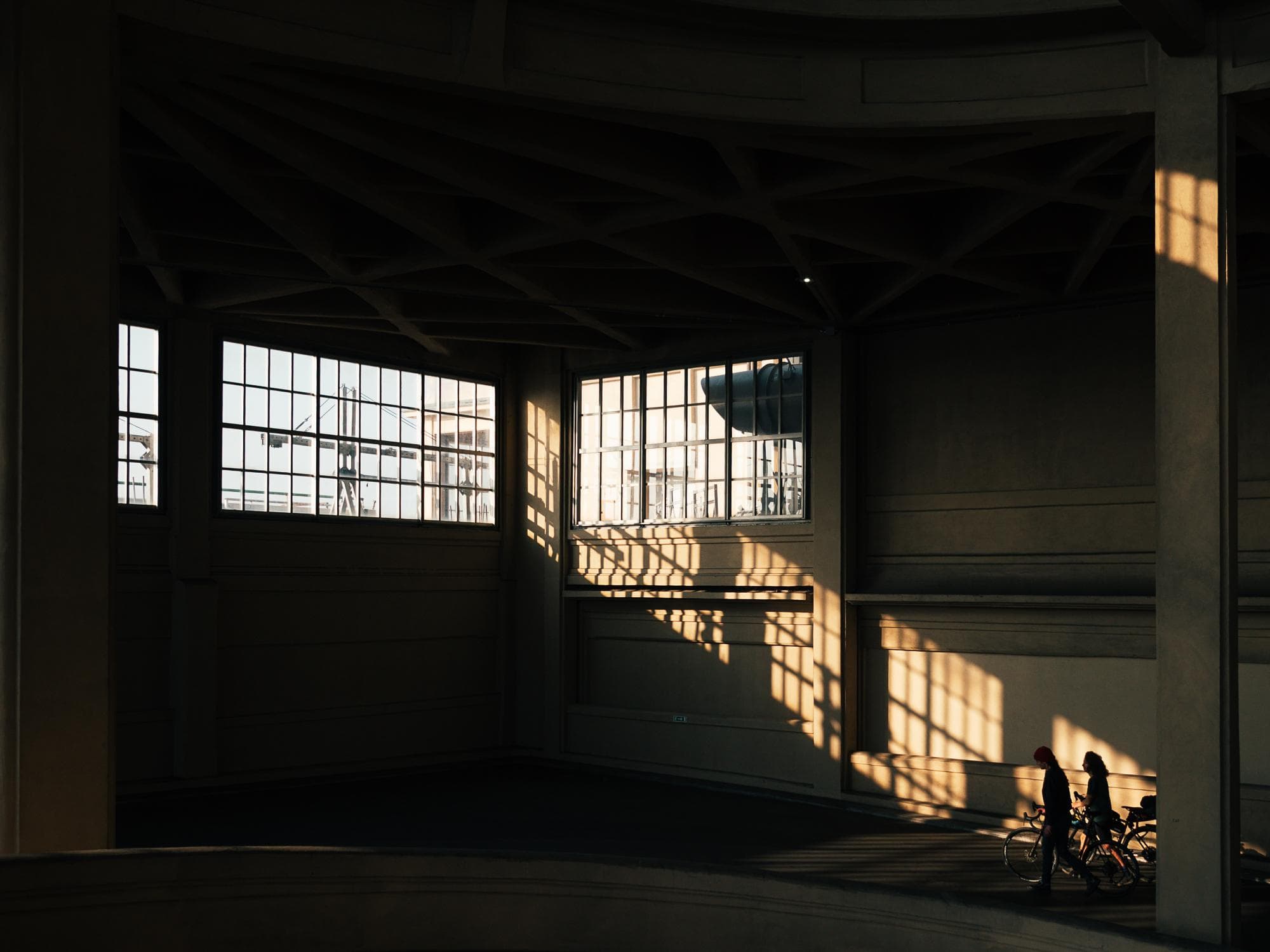
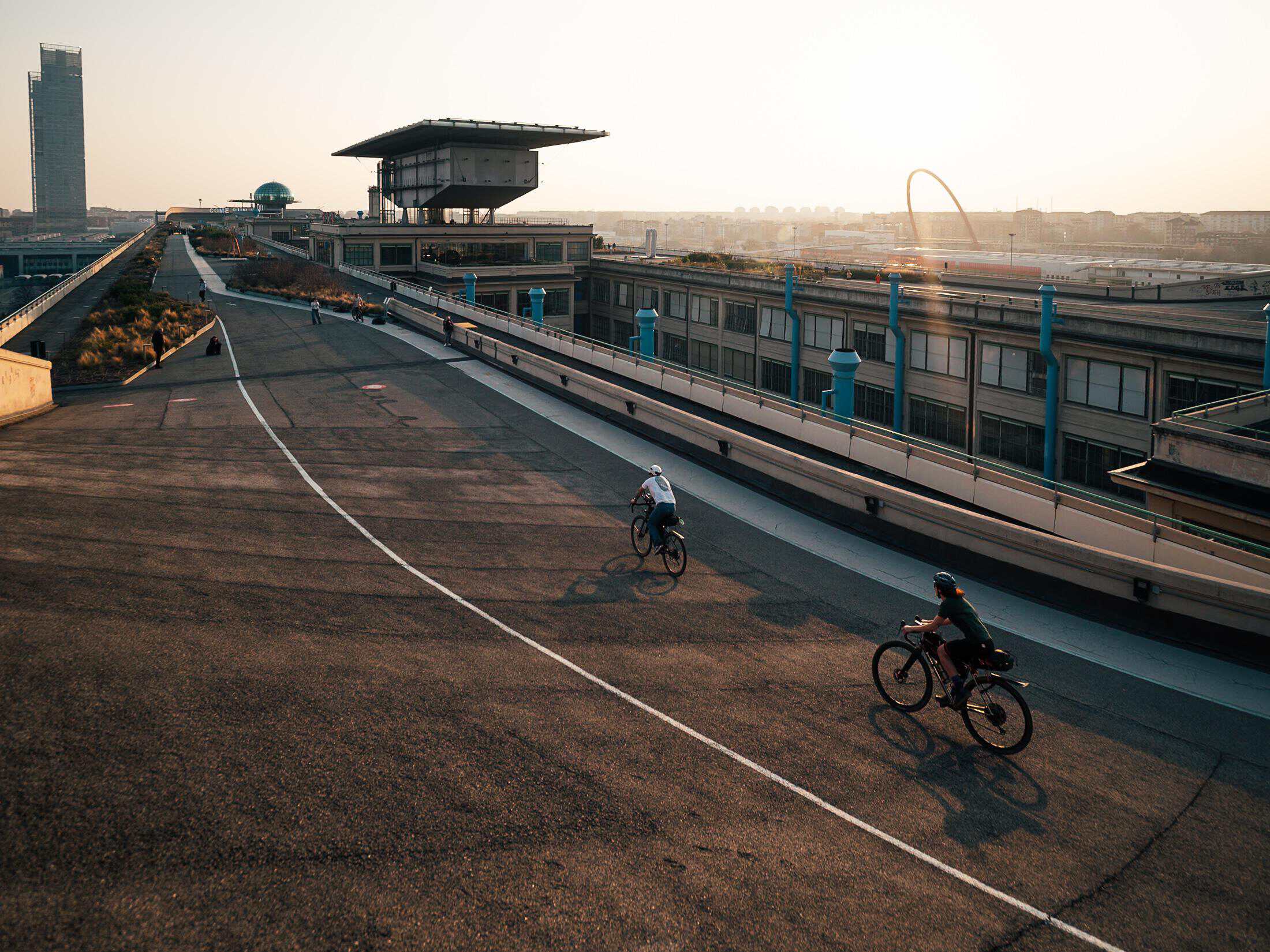
We experience this mechanism very often, mostly without noticing. When we watch a great film for the first time, we’re captivated by the story and the drama; from the second viewing onwards, we notice the directorial choices, the secondary scenes, the little gems — because we’re no longer “distracted” by discovering the plot.
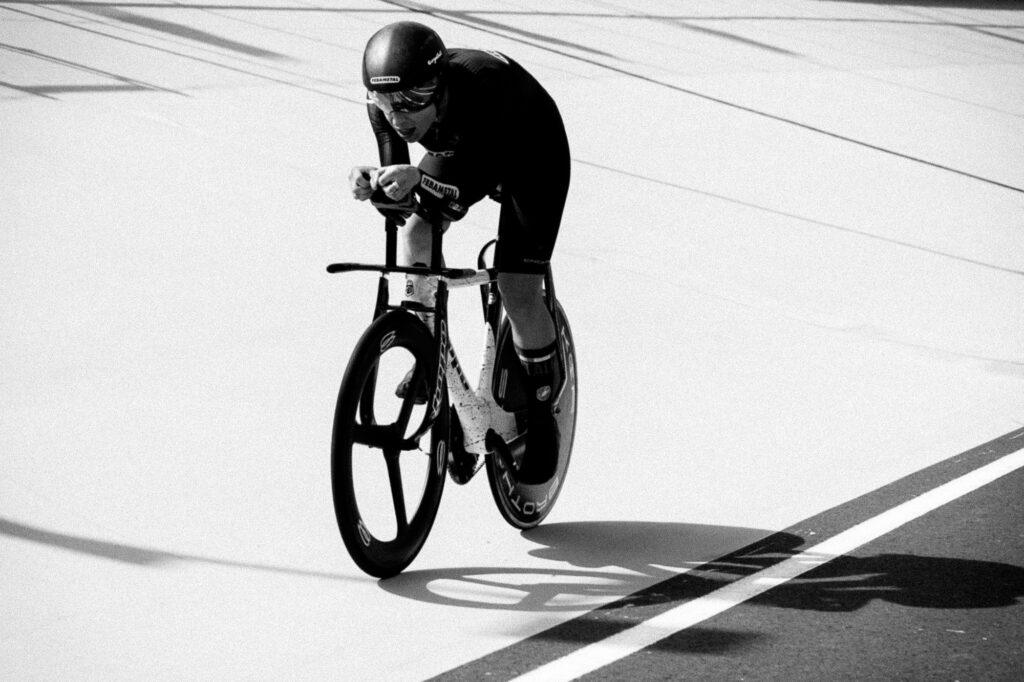
Vittoria experienced this too, in her double Hour Record on track.
The first one, she used to tell me, was very instinctive in its preparation and mental approach. The enthusiasm for the new adventure cancelled out the fatigue and reduced the weight of personal and logistical sacrifices. Vittoria was carried along by the novelty, just as Socrates was carried along by the beautiful words of Anaxagoras.
The second record, by contrast — the one I followed in 2022–2023, and which I covered on Alvento together with Stefano Zago — she described as far more demanding: the training sessions, the travel, the medical check-ups. Everything was much harder to bear, because she already knew the entire process inside out; strip away the enthusiasm, and only the gruelling part remains.
On the other hand, she said, she lived it in a much more conscious way, pushing forward both the aerodynamic research and the research on her own body and nutrition. Her relationship with the team was also different — more complex, more profound. A different kind of progress and knowledge, brought not by age but by the fact that it was a road already travelled.
Back to our topic: scouting before a shooting is the first navigation. It removes the superficial layer of wonder by which we are inevitably captivated when faced with something new; it pre-empts that first sight, allowing us to go deeper even when it’s our first time physically being there. It bypasses the first impression. We’re no longer at risk of being dazzled or disoriented by the formal beauty of the place. This is especially useful in a cycling event, where everything moves fast and there are only a few minutes (or a handful of seconds) to study a scene before the bike arrives.
On one hand, meticulous planning can to some extent spoil the charm of the moment and the place, as my friend and colleague Luigi underscores; on the other hand, he reckons, it allows us to create more complex and more satisfying shots — those that give you “a shiver down the spine” for having achieved something thought out and long awaited: when a photo “simmers in your head” and you “have to match the inputs with the desiderata of the work — you become more like a moka pot with the coffee on its way.” And this makes me think again of the distinction between beautiful photos and good photos, or — what I find more fertile — between immature and mature photos.
The obvious objection — thanks again to Luigi for the cue — is that shooting while travelling is not the same as shooting for work, and it’s genuinely wonderful to be swept away by a place, when you feel “enveloped by new inputs and your heart beats faster with the emotion of what you’re shooting.” Undeniable.
The equally obvious answer is yes, this long process applies to photographic commissions, while if we’re shooting freely, no one imposes it on us — but it can be worth trying, if nothing else to see what happens.
Thanks to the preparatory work, we can grasp the peculiarity of a place in advance; having already absorbed it, we can relate it to the participants passing through at that moment, gaining precious time.
Passive, superficial wonder gives way to a subtler and more meaningful search. No beautiful photos — replaced by the good photos described by Gianni Berengo Gardin, or perhaps by Galen Rowell’s mature photos.
In the end, scouting before a shoot matters for what it shows us — but it is far more useful for what it allows us to eliminate.
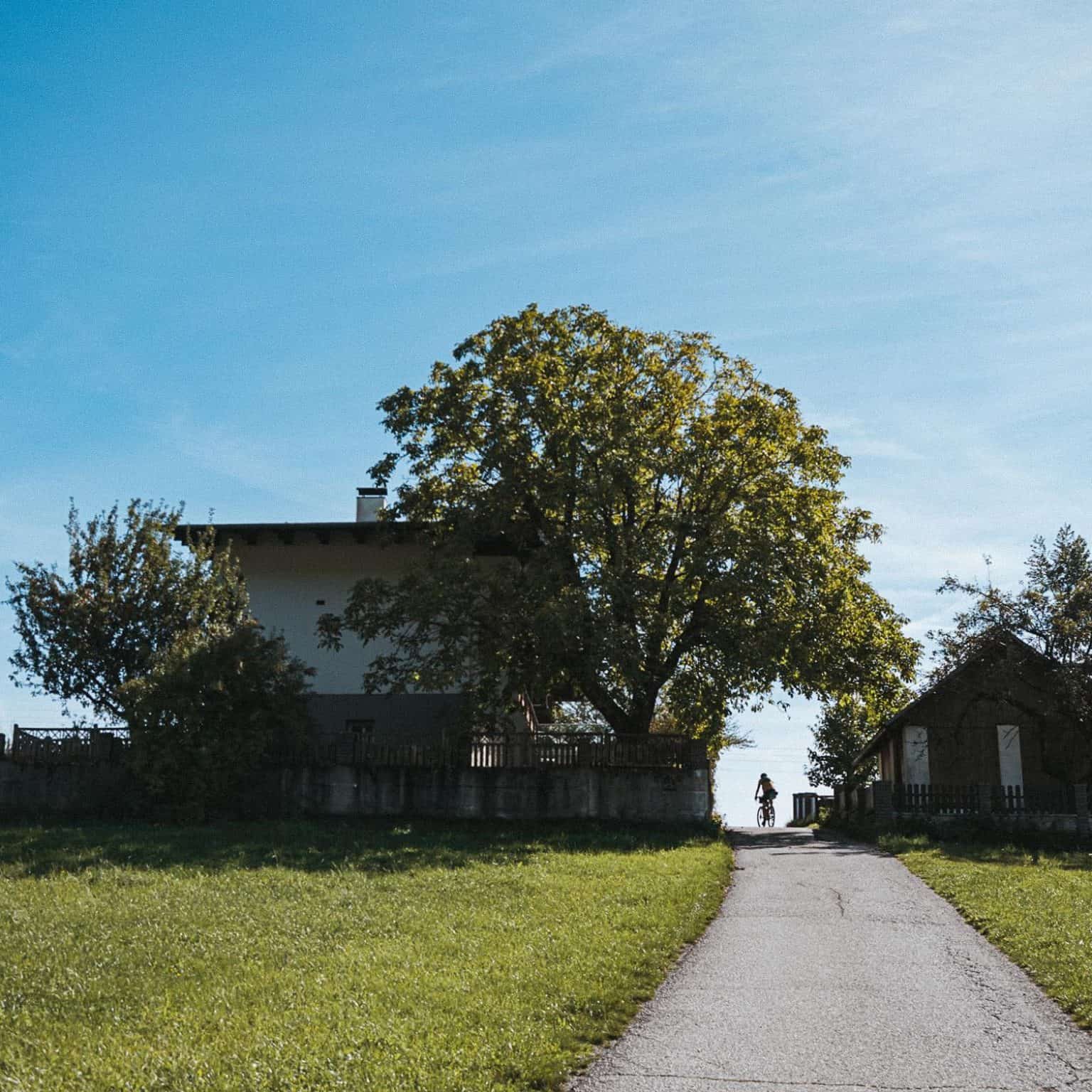
Where to find interesting stories? Quick answer: where things and people are on the move.
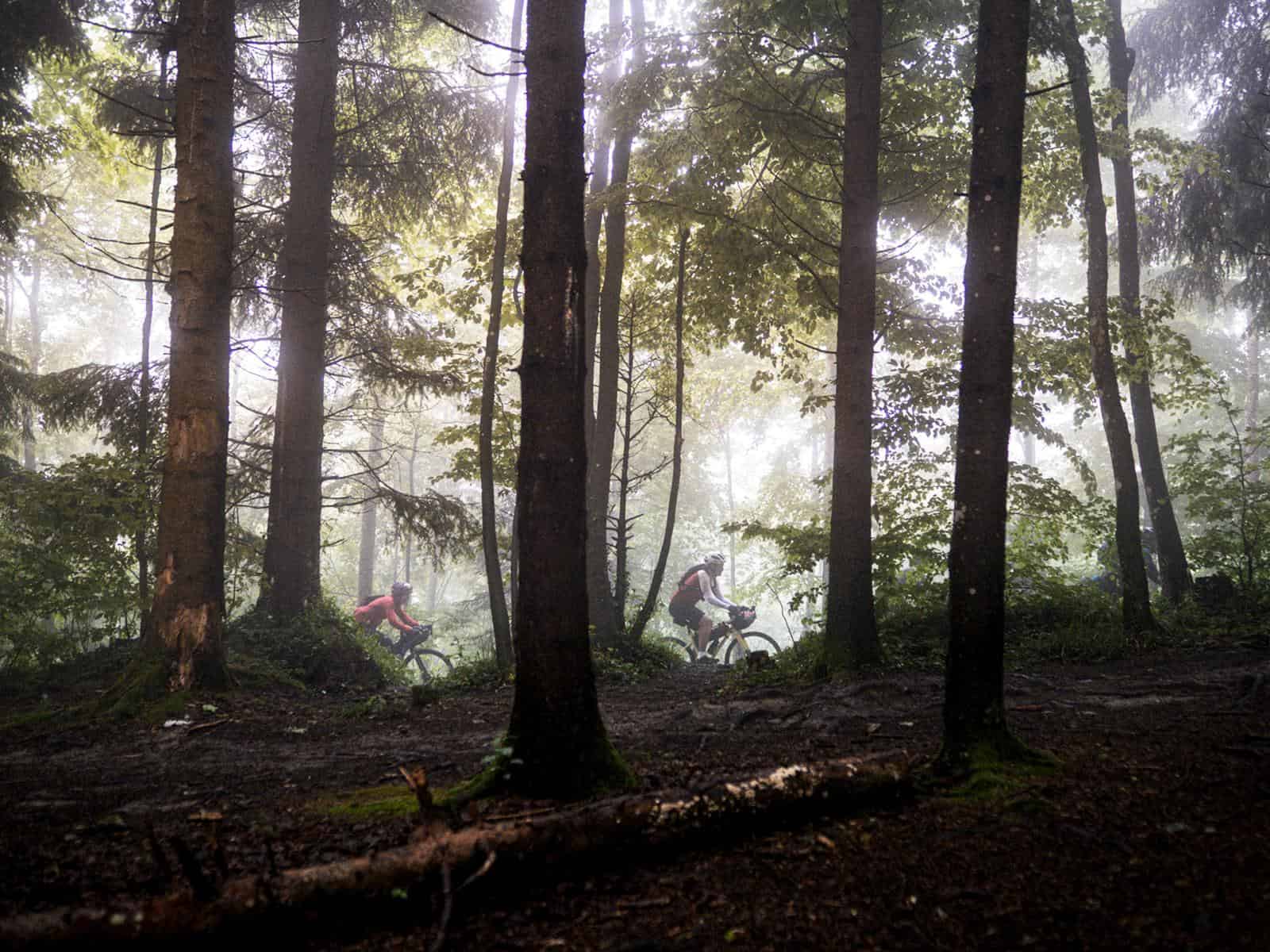
Short stories from the field: people, places, and cemeteries, with some reflections on all this.
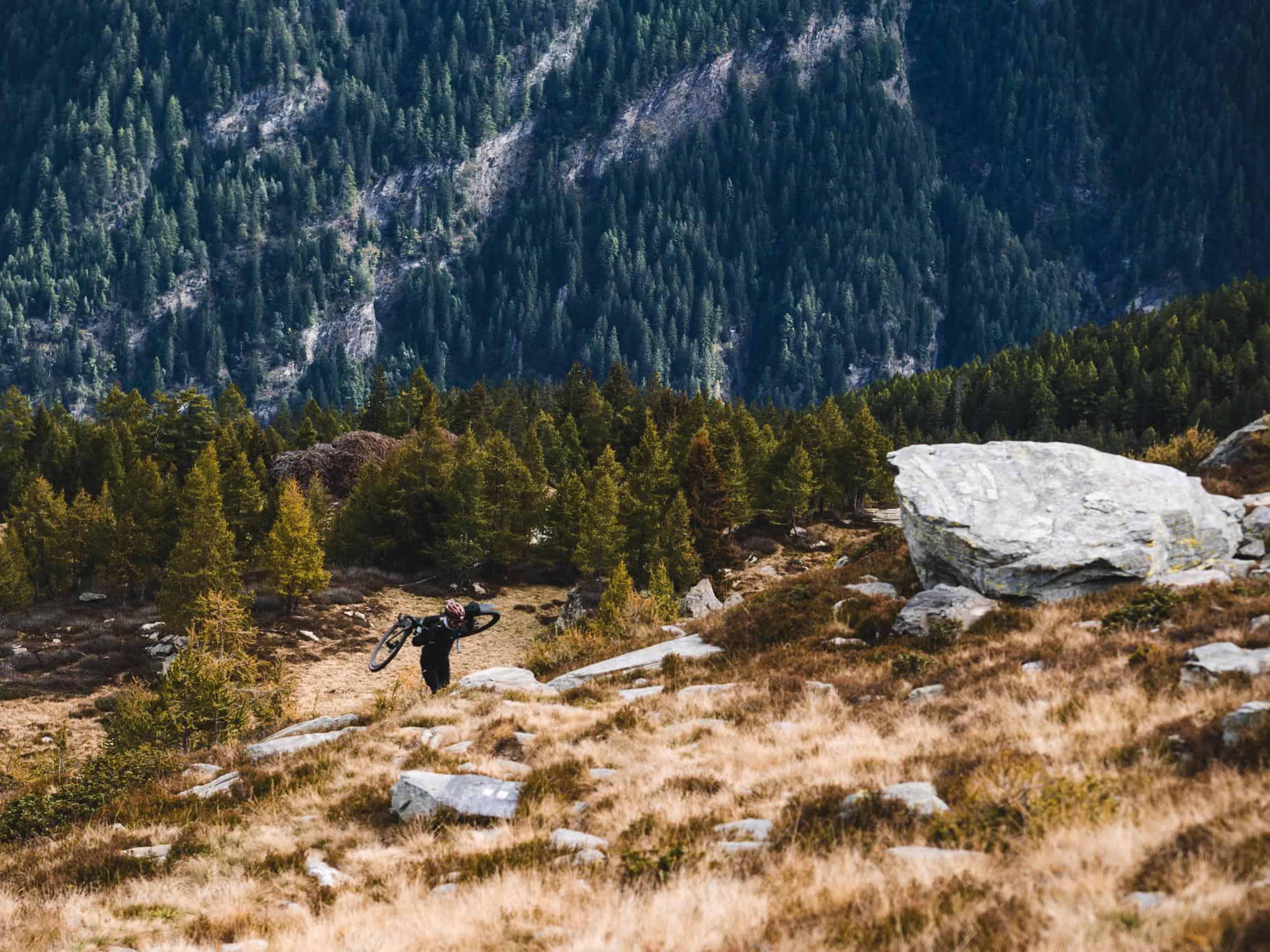
Despite all challenges, there are a couple ways out.