Stories from Züri Escape: surveying fails, cemeteries on AirBnB, and Kierkegaard
Short stories from the field: people, places, and cemeteries, with some reflections on all this.
Even leaving out the media crew question, “unsupported” is far from clear. Consider this VIA rule: “ensure that any non-public source of resupply or acquired service is unsolicited and unplanned.” Now compare it with the TBR rule: “Given the nature of the Balkans, if locals spontaneously offer food, water, or a place to sleep, this is part of the spirit of the race and is allowed. However, actively seeking such help counts as support and breaks the rule.”
Setting aside the fact that “given the nature of the Balkans” establishes an exception — which is not a strong foundation for any rule (you can find generous people anywhere, as every cyclist knows) — both rules hinge on the intention of the rider: unsolicited, actively seeking. That’s a step forward, but is it enough to draw a clear line?
Take Gosia’s situation.
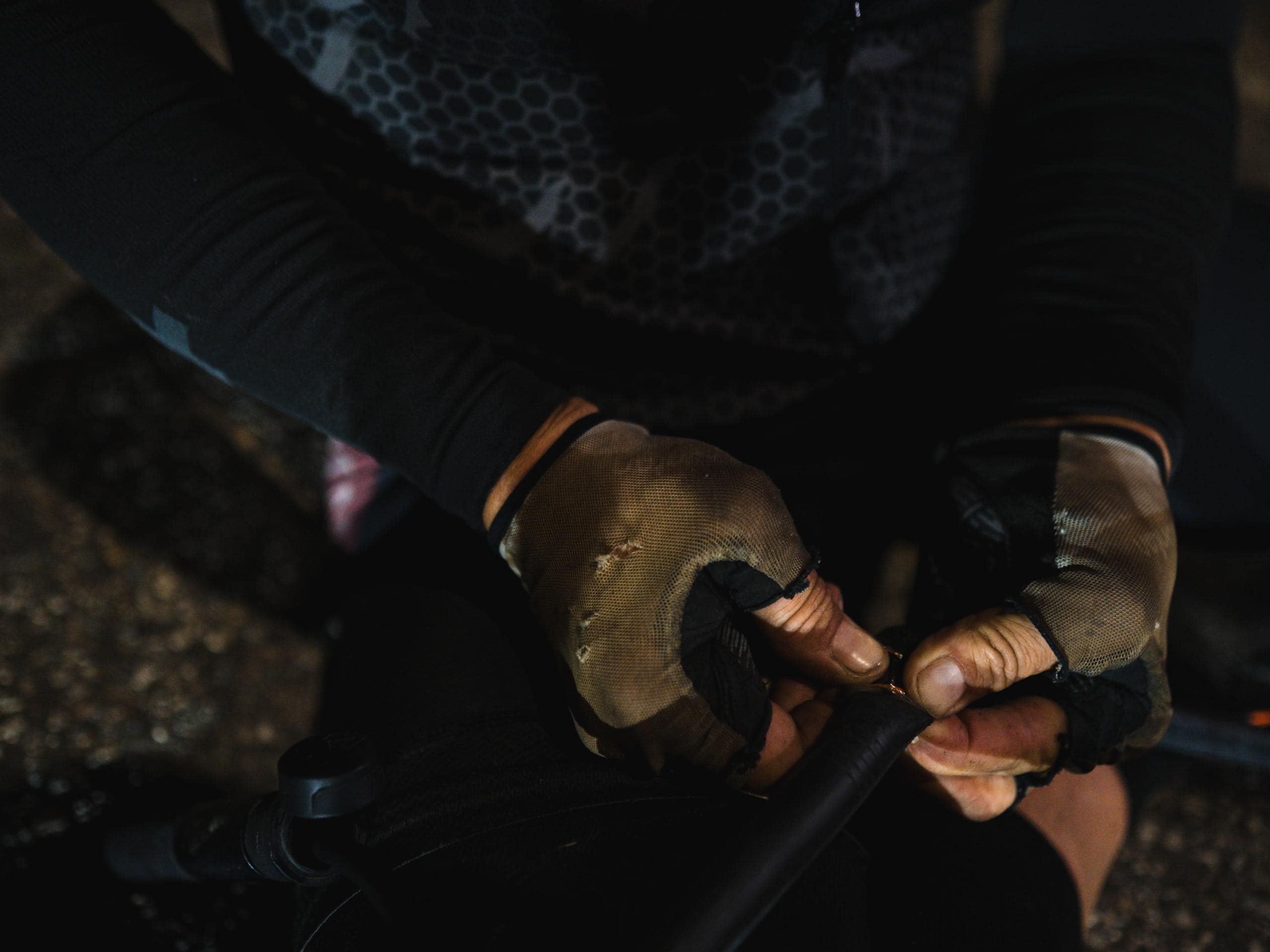
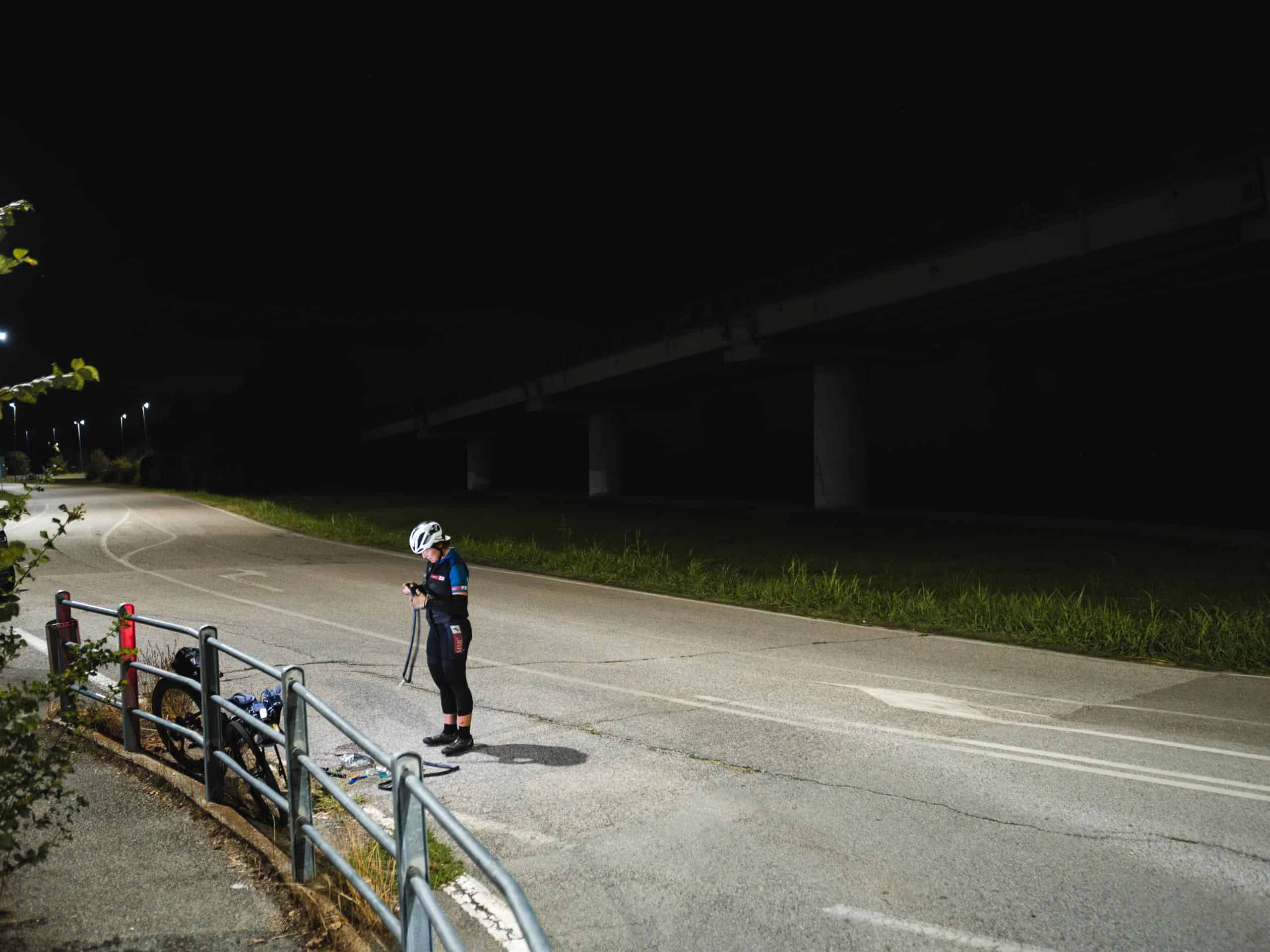
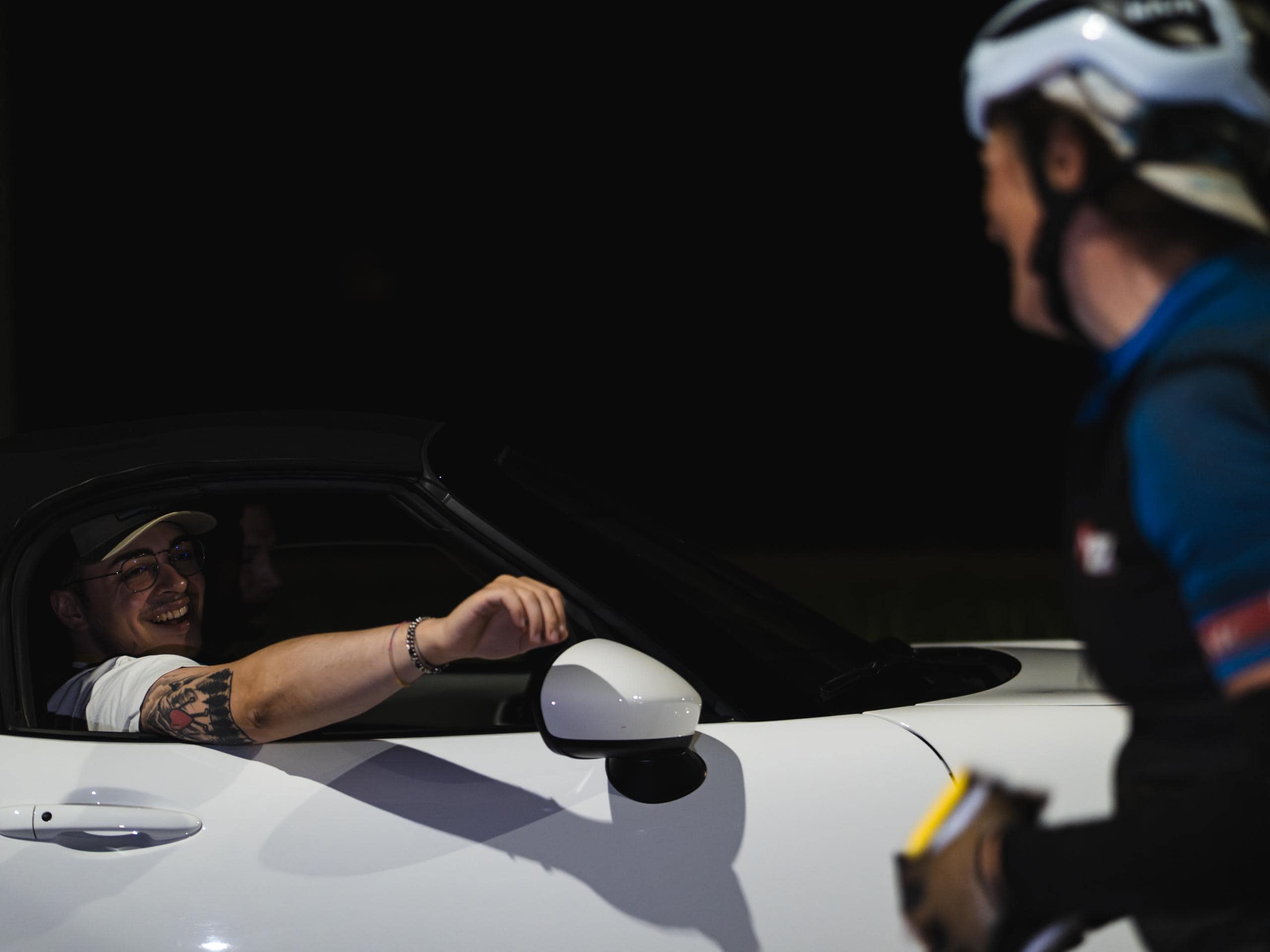
11pm, Veneto, empty strada statale. We find Gosia on the roadside trying to repair a puncture. Despite being out of tubes, her mood is her usual self: abenteuer, she keeps saying with a big smile — adventure. We document the whole scene for half an hour, chatting about her route so far: videos, photos, a quick interview. At one point, a shining white convertible approaches. Two guys are on their way to a party in town, but curiosity wins out. From their faces, we can tell they suspect a crash between the bike and our van, parked a few meters away. Gosia reassures them in a mix of English, Polish, German, and Italian. The conversation is friendly.
When they wave goodbye and pull away, Gosia gets back to her tyre problem. We are about to leave when we see the convertible returning. “Ecco qui,” the passenger says, holding out a couple of inner tubes. “That’s what I have in my garage. I’m not a cyclist, but maybe one of them fits. Good luck.”
Gosia can keep riding.
Where is the solicitation here? The driver understood that Gosia had a problem and offered a solution spontaneously. Or did he? Even though Gosia didn’t actively seek help, her situation was obvious: all over the world, a cyclist with a puncture is a “help me” signal that requires no words, no intention, no active seeking to be understood. It is self-evident. So what should she do — refuse the spare tubes? That would be absurd from any human standpoint, and it would set a troubling precedent: cyclists as antisocial people who refuse help even when they need it. Just strange. Is that really the message we want to send?
So actively seeking and intention are not a reliable threshold. They’re difficult to prove, and they come in so many shades that it’s a question of degree, not of yes or no.
All these examples could be broke down, and altered to give more clarity. In Gosia’s case, would it have made a difference if she left money for the tubes? What if she clearly asked “do you have a spare tube?” Would it have been different than communicating that with the situation itself?
About the “commercially available” principle, there are at least as many ambiguities. Does it mean I can order stuff on Amazon and get it delivered somewhere along the race? After all, it’s something that every rider can do. What if I call a shop to check the opening hours, and the guys spontaneously decide to wait for me later than usual? This would be commercially available, but not to everyone – unless every rider calls ahead.
About trail angels and unsolicited help, as I said, there is a “human decency” issue; but there is also a reality issue: if we must race in complete aloneness and avoid interaction with locals, what is the purpose of crossing continents? To say it otherwise, what is the purpose of ultra races if we remove the human exploration that happen while riding in remote countries? We might as well ride ultras in Zwift, which would make it easy to enforce this aloneness rule.
I know these are provocative reflections. But it’s because bhy exploring the extremes, we can perhaps see a reasonable solution.
So far, however, I don’t see it: all cases and their variations show, on the contrary, that there are endless nuances. No threshold seems to exist.
The reason lies in vague terms such as “available to anyone” and the other formulas we encountered. Together, they define all a huge grey area rather than clear lines. In philosophy, this is the classic paradox of the heap, or sorites paradox: if you remove one grain of sand at a time from a heap, at what exact point does it stop being a heap? Is 5 grains enough to make a heap? Or maybe 6, 10, 1000? And why? We cannot know, because heap doesn’t mean anything, even though we all know what it is.
In philosophy, and therefore in ultracycling, the paradox has no solution. As Wittgenstein would put it, a vague proposition just doesn’t make sense, because it doesn’t describe anything real. And as he wrote in proposition 7 of the Tractatus Logico-Philosophicus: “Whereof one cannot speak, thereof one must be silent.”
Obviously, we can’t do without to race rules and leave it to the good faith of everyone.
So what’s to be done? I genuinely don’t know — that’s why I admire and respect the organizers who face these difficult calls. Sometimes they’re pretty clear – such as TBR this year – but most of the times… grey areas.
My modest solution goes back to the “media influence case”. First, various forms of support will involve all riders, provided we consider various races over time. Luck, after all, is available to anyone – even though not commercially. So, it will tend to spread democratically across the field, coherently with the concept expressed by Nelson Trees. Media crews, dotwatchers, even the riders themselves – everyone looks at riders, and can point out unusual behaviors.
Second, we can keep relying on the combination of general principles and case-by-case evaluation, much like it’s done already. This could be rather unsatisfactory, but it stems from the inevitable conclusion: the heap paradox suggests that adding rules – more specific, more stringent – would only add to the ambiguity, rather than clarifying. So, let’s stick to general principles, and apply them to the single case: this way, it’s possible to consider many other aspects that would be invisible to a blind application of rules, such as the specific situation, the good faith of the rider, the attitude afterwards, and so on.
Short stories from the field: people, places, and cemeteries, with some reflections on all this.
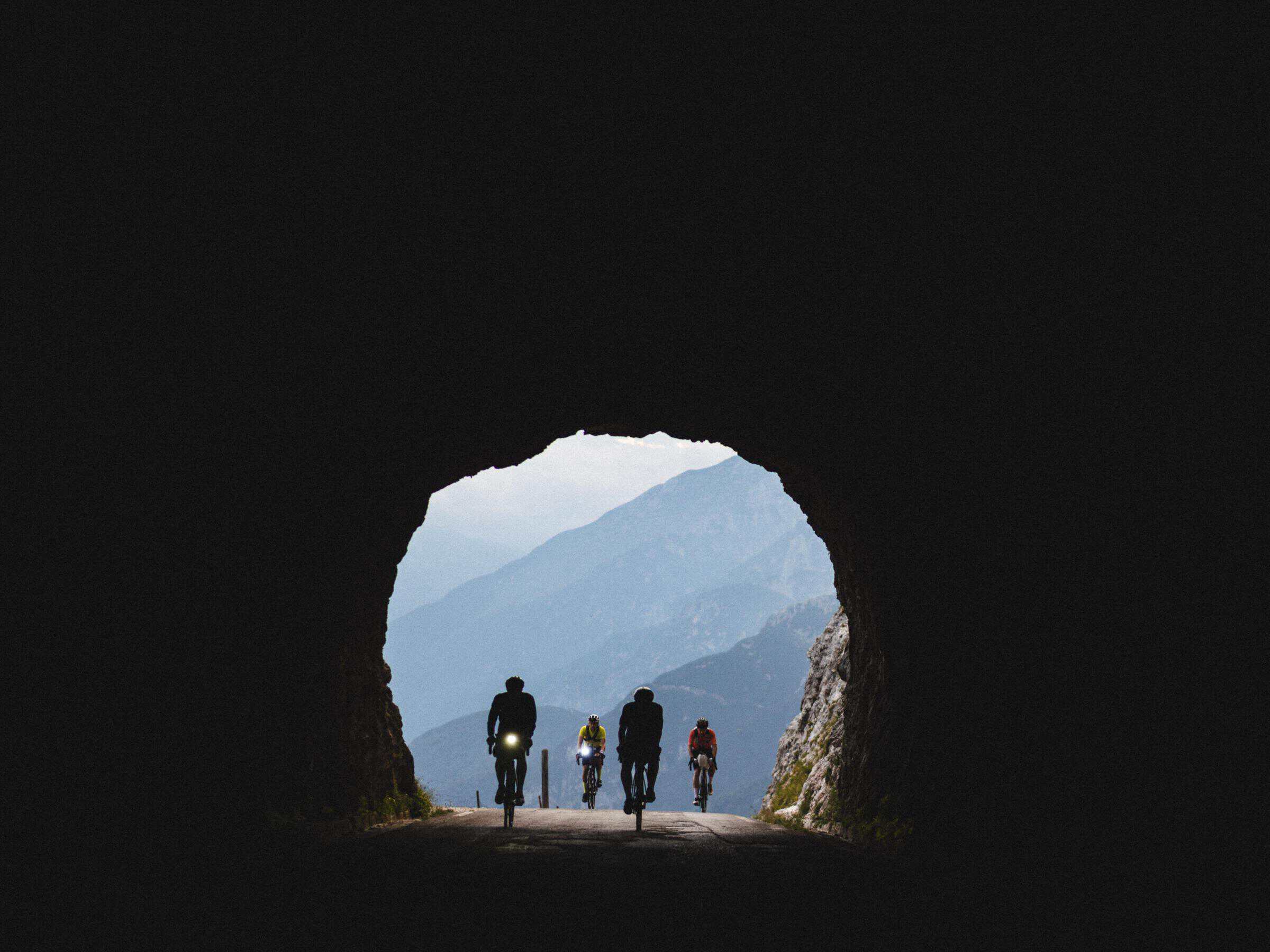
How do you actually find riders, and what do you do when you find them?
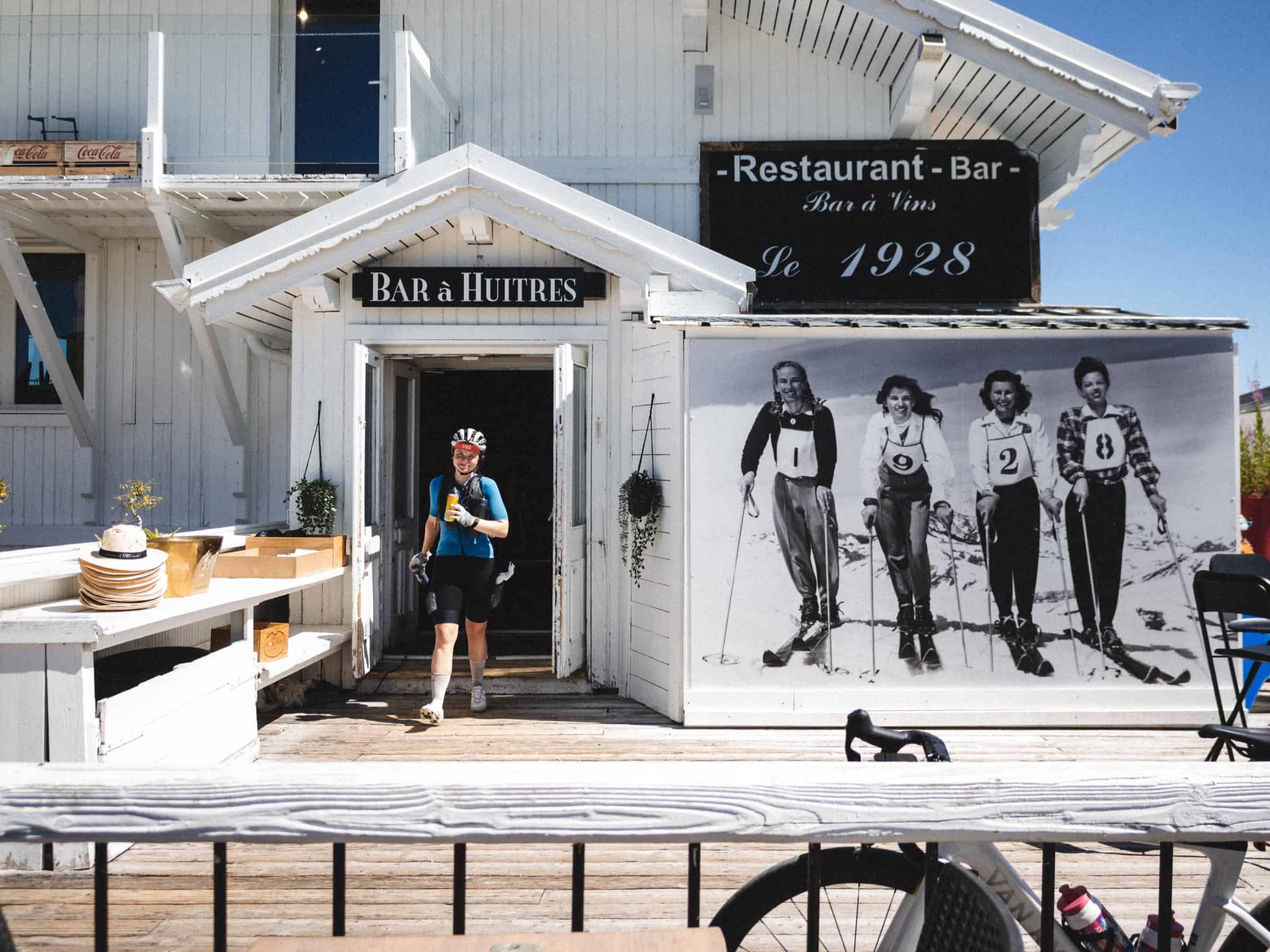
How do you choose to shoot when every rider is doing something, all over the place?